The invisible side effect nobody warns you about
You started the antidepressant. Your mood lifted. Your anxiety softened. Your sleep got better. Then, quietly, something else shifted. Sexual pleasure flatlined. Orgasms became harder to reach, or stopped showing up altogether. Desire vanished. You mention it to your doctor and they nod like they've heard this a thousand times, which they have, and then offer almost nothing useful. "It's a known side effect," they say. "Some people adjust." Others don't. And that's where most conversations end.
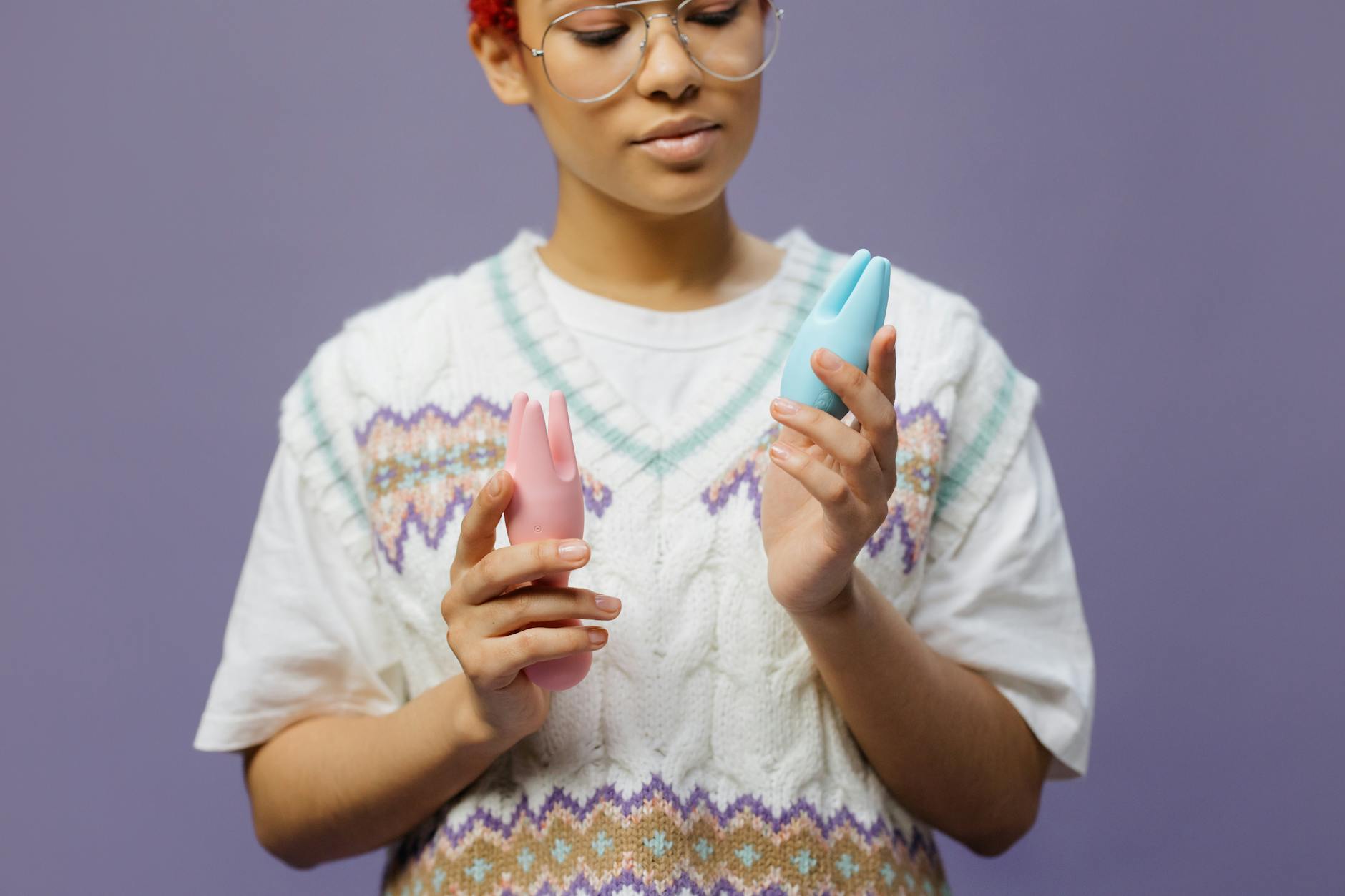
Here's the thing: medication-induced sexual dysfunction is wildly common and deeply undertreated. Up to 60% of people taking SSRIs (selective serotonin reuptake inhibitors) experience some version of this. It's not in your head. It's not because you're broken. It's because serotonin reuptake inhibition changes how your nervous system processes pleasure signals. The good news is that understanding what's happening neurologically opens up real solutions. Lemon vibrators and other clitoral suction toys work differently than traditional vibrators, and for people fighting medication-induced numbness, that difference is often the key to reclaiming sensation.
Why antidepressants flatten sexual response
SSRIs work by keeping serotonin hanging around longer in the synaptic gap between neurons. More serotonin, generally, makes mood better. But serotonin also regulates sexual function, and not always in obvious ways. It modulates dopamine release. It affects vasoconstriction. It changes how your brain processes reward. When you're on an SSRI, the neurotransmitter landscape shifts in ways that make arousal harder to trigger and orgasm harder to achieve.
The mechanism isn't uniform, either. Some people experience low desire. Others have normal desire but can't feel physical sensation. Still others can orgasm but describe it as muted, like watching the experience through frosted glass instead of living it. Some experience a combination of all three.
The second piece of this puzzle is pelvic blood flow. Arousal depends partly on vasocongestion—blood rushing to the genitals, engorging tissue, creating sensitivity. SSRIs can reduce that flow. Tissue becomes less responsive. Lubrication may decrease. The result is a nervous system that's chemically depressed from processing pleasure, operating on a body that's also receiving fewer pleasure signals from the physical tissues themselves.
How clitoral suction changes the game
This is where lemon vibrators and other clitoral suction devices become genuinely useful, not as a workaround but as a neurological tool. Traditional vibrators rely on mechanical stimulation to build sensation. They work by repetitive pressure or movement. For someone taking an SSRI, the threshold for feeling that stimulation might be so high that it's exhausting to reach, or it never fully registers.
Clitoral suction, by contrast, works on a different sensory pathway. Instead of vibration, suction creates negative pressure that draws tissue upward into a seal. This stimulates a different set of nerves. It bypasses some of the serotonergic pathways that SSRIs disrupt. For many people on antidepressants, suction devices like the Lem vibrator are noticeably more effective at penetrating the numbness and generating actual sensation and arousal.
Research on clitoral suction is still emerging, but clinical reports consistently show that people with antidepressant-induced sexual dysfunction report faster arousal, easier orgasm, and stronger sensation with suction devices than with traditional vibrators. Part of this is mechanical. Part of it is neurological—you're accessing pleasure through a sensory gate that the medication hasn't fully closed.
Building sensation back from scratch
If you've been numb for months, jumping straight into intense suction patterns won't work. Your nervous system has learned not to register pleasure. You need to retrain it.
Start low and slow. The Lem vibrator has multiple intensity settings for exactly this reason. Begin at pattern 1 or 2, even if it feels too subtle. You're not trying to orgasm yet. You're trying to feel anything at all. Spend 10-15 minutes just noticing sensation. Does it feel different in different spots? Does the pressure feel steadier than you expected? Are there micro-sensations you haven't registered before?
This is neuroplasticity in action. Every time you notice a sensation, you're strengthening the neural pathway between your genitals and your brain's pleasure centers. It takes time. Some people report shifts within a week. Others need two to four weeks of consistent practice before sensation returns noticeably.
Alternatively, talk to your doctor about whether timing your sexual activity around your medication schedule might help. Some SSRIs have shorter half-lives. If you take your dose at night, morning or afternoon intimacy might coincide with lower medication levels. This isn't a solution, but it's sometimes a practical tool while you're rebuilding sensation.
The emotional reset that matters
Here's the part that most sex tips miss: sexual dysfunction from medication is grief. You lost something. Your body changed without your consent. Many people develop anxiety around sex itself. The body that used to respond now doesn't. The anticipation that used to build now fizzles. If you had a partner, the dynamic shifted. If you were single, you may have withdrawn from dating or touch entirely.
Before you even touch a lemon vibrator, name that grief. Tell your partner if you have one. Tell yourself. "My body is responding differently to medication that I need for my mental health. That's real. It's frustrating. And I'm going to rebuild this."
This reframe changes everything. You're not broken. You're not defective. You're working with a nervous system that's chemically different right now, and you're choosing tools and strategies to rewire it. That's not settling. That's resourceful.
When to talk to your doctor
If your sexual dysfunction is genuinely intolerable, medication adjustments are worth discussing. Some SSRIs have lower sexual side effects than others. Sertraline often has fewer sexual symptoms than paroxetine. Bupropion actually tends to preserve or improve sexual function because it works differently. Timing doses or adding a short-term medication to offset the side effect is sometimes an option.
But medication changes come with their own risks and aren't always feasible. If you're stable on what you're taking, switching might destabilize your mood. That trade-off isn't worth it for everyone.
If you've been trying to rebuild sensation with tools like lemon clitoral vibrators for four to six weeks with no shift, a sexual medicine specialist can sometimes help. They can rule out other contributing factors and sometimes prescribe short-term supports while you're retraining your nervous system.
The timeline is real but worth it
You didn't lose your capacity for pleasure. You lost access to it. Those are different things. Access can be rebuilt. It takes time, patience, and tools that match how your nervous system is actually working right now, not how it worked before medication.
Many people report that after a few months of consistent practice with clitoral suction toys, sensation returns and stabilizes. Orgasm becomes possible again. Desire rebuilds. It's not always identical to how it was, but it's often richer, more intentional, and more grounded in your actual body rather than automatic response.
Your pleasure matters. Your sexual health is health. And the fact that you're looking for solutions instead of accepting numbness as the price of mental stability says everything about your commitment to your own life. That matters too.