The antidepressant paradox nobody talks about plainly
Your medication is working. You feel stable. Your anxiety is lower, your mood is steadier, the weight in your chest has lifted. And somehow you also can't orgasm, or it takes forever, or the physical sensation has gone completely flat.
This is not a side effect you imagined. It's not psychological. It's biochemistry.
Here's what's happening: SSRIs and SNRIs increase serotonin, which stabilizes mood but can suppress dopamine in the pathways that drive arousal and orgasm. Different medications hit differently. Sertraline and paroxetine are notorious for this. Others are gentler. But even on the "better" ones, about 40-60% of people experience some sexual side effect. If you're in that group, you're not alone, and you're not broken.
The question isn't whether to stay on your medication. It's how to get pleasure back while you're on it.
Why lemon vibrators work differently for medicated bodies
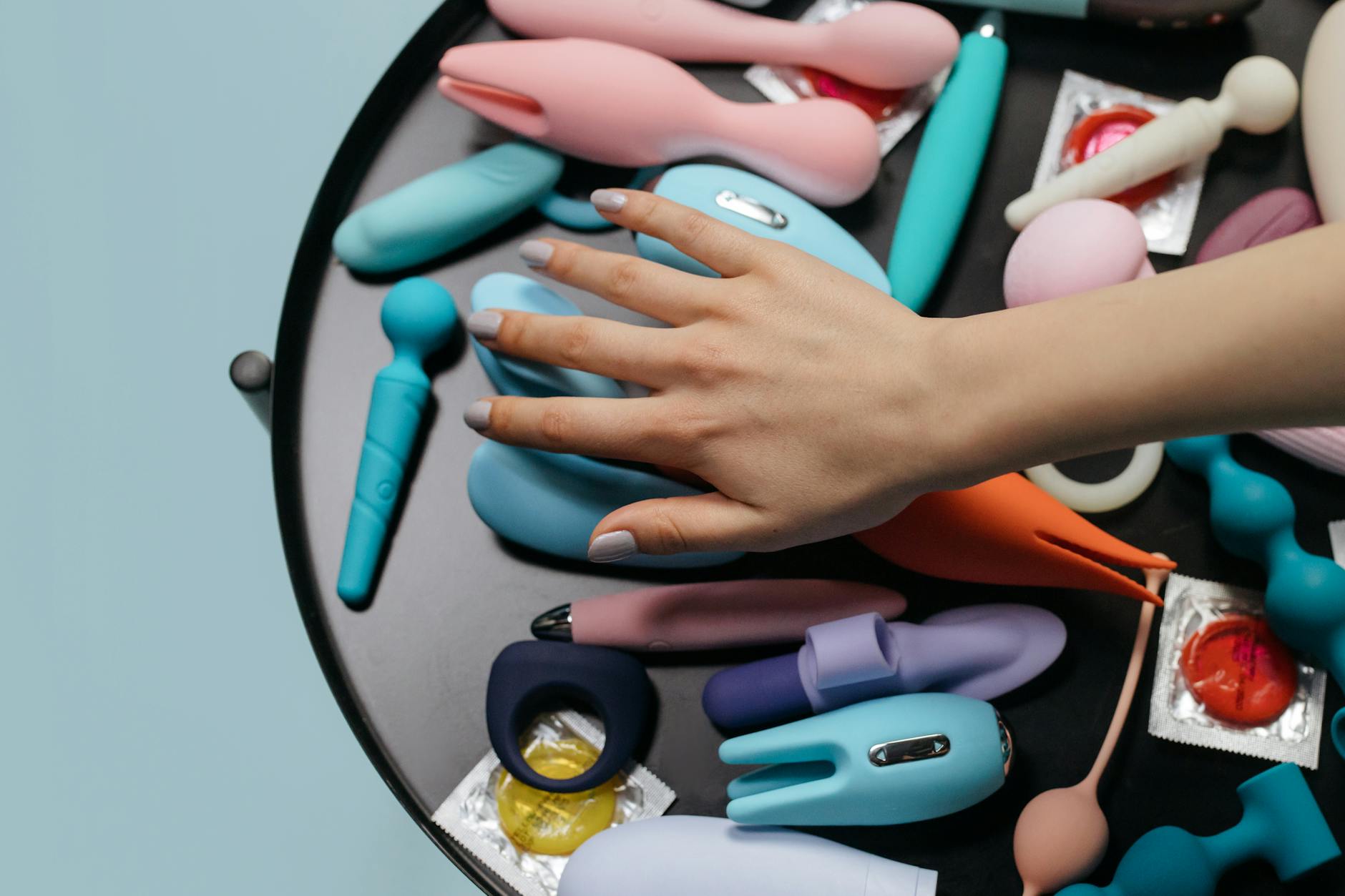
When sensation is muted, traditional stimulation often feels like nothing. You need stronger input to the nervous system to cross the threshold into arousal. That's where external clitoral vibrators like the Lem come in.
Here's the mechanical advantage: air-suction stimulation (the technology behind lemon clitoral vibrators) doesn't require the kind of direct friction or pressure that might feel numb or distant. Instead, it creates a gentle pulse that accumulates sensation over time. For someone on antidepressants, this cumulative effect often works better than single-point vibration at high intensity.
The stimulation pattern also matters. Most traditional vibrators deliver constant intensity. Lemon vibrators use varied rhythms that can help wake up dormant sensation. Your brain registers the change in intensity more readily than a flat, ongoing buzz.
This is why many of my clients report success with lemon sexual toys specifically when medication has flattened their responsiveness. It's not magic. It's engineering that matches reduced sensation.
The arousal timeline shifts when you're on antidepressants
One truth I drill home: your arousal hasn't disappeared. It's slower. That's not the same thing.
On SSRIs, it often takes 20-30 minutes to reach arousal instead of 5-10. Your body is still capable of the full response. It just needs runway. Most people try a vibrator for 60 seconds, feel nothing, and assume they're broken. They're not. They've just stopped too early.
With lemon vibrators, I recommend this timing strategy:
Start with 15 minutes of anticipation before you touch yourself. Fantasize, read something that turns you on, let your mind wander. Your brain is doing work even if your body isn't responding yet. Then introduce the vibrator and give yourself a minimum of 20 minutes. Set a timer. You'll likely notice sensation building gradually, not arriving suddenly.
Many people find that the combination of varied rhythm (which the Lem delivers naturally) and extended time creates the first real arousal they've felt in months. It's not forced. It's just patient.
Orgasm changes, but it doesn't disappear
I need to be direct here: for some people on antidepressants, orgasm becomes harder or takes longer. For others, it's possible but feels blunted. And for a small group, it genuinely becomes elusive. This is the one side effect where "give it time" sometimes isn't the answer.
But here's what's also true: many people regain orgasmic capacity with practice and the right tool. The clitoral tissue itself is functional. The nerve endings are there. What's changed is the signaling.
With lemon clitoral vibrators, you're offering your nervous system a clearer signal to work with. The stimulation is direct, intense enough to overcome the dopamine suppression, and varied enough to sustain interest. Some of my clients describe it as turning up the volume on their own sensation.
Orgasms might look different. Might be quieter, or less intense, or take longer to arrive. But a real, physical release is usually achievable. And that matters. Pleasure matters. Your body matters, even when the medication is essential.
When to have a conversation with your prescriber
I'm not suggesting you switch medications or lower your dose. That's between you and your doctor, and stability matters. But your doctor needs to know about sexual side effects, because sometimes there are solutions that aren't dose reduction.
A few options worth discussing:
Timing your medication: Some SSRIs can be taken at night, so peak levels don't align with your planned intimate time. This helps some people dramatically.
Augmentation: Certain medications (like bupropion) boost dopamine and can counteract sexual side effects when added to your SSRI. This is genuinely life-changing for some people.
Switching within the class: Sertraline and paroxetine are rough on libido. Fluoxetine, citalopram, or escitalopram are gentler for some bodies. The trade-off is that switching takes time to stabilize.
None of these are guaranteed, and none replace the work of using tools like lemon vibrators to reawaken sensation. But talking to your doctor signals that your sexual health matters, which it does.
The mental game is 60% of this
Here's the thing about antidepressants and pleasure: the medication itself is part of the problem. The grief about losing sensation is another part. And the shame about needing a tool to get back there is a third part that nobody acknowledges.
You might feel defective. You might resent the medication even though it's saving your life. You might feel guilty about not being "natural" enough without a vibrator. All of that is normal. And all of it makes the sexual side effect worse.
Because desire lives partly in your brain, and if your brain is stuck in shame or grief, no amount of clitoral stimulation will override that.
What I recommend: use a lemon vibrator, yes. But also give yourself permission to use it. Talk to your partner, if you have one, about what's happening. Frame it not as "the medication broke me" but as "we're adapting together." Buy a good lube (water-based, since silicone-based can degrade silicone toys). Create a little ritual around it. Make it something you do for yourself, not something you're trying to fix.
The mental shift from "this shouldn't be necessary" to "this is what my body needs right now" is half the battle. And honestly, many people discover they enjoy the intentionality of it. Sex becomes less automatic and more chosen.
Rebuilding pleasure takes patience, not willpower
Your antidepressant is non-negotiable. Your pleasure is also non-negotiable. These aren't in competition.
Starting with lemon vibrators, giving yourself enough time, talking to your doctor if the problem persists, and releasing the shame around needing external support. These four things will get you most of the way back.
If you've been on your medication for less than three months, some sexual function can still return as your body adjusts. If you've been on it longer, that window has closed, and tools become more important. Neither scenario means you're broken.
Your nervous system is working differently now. Clitoral vibrators are built for exactly this kind of body. Use the ones that fit, give yourself grace, and trust that pleasure is still there.
Frequently asked questions
How long does it take to feel sensation again with a lemon vibrator?
For most people on antidepressants, the first session might feel like very little. But cumulative sensation builds over repeated sessions, usually within the first two weeks of regular use. Think of it like turning up a volume dial slowly rather than flipping a switch. Some people report noticing changes in as little as one week of consistent exploration.
Can I use a lemon vibrator if I'm also on other medications?
Yes. Vibrators don't interact with medications. That said, if you're on multiple medications that affect sexual function (some blood pressure meds, antihistamines, and antipsychotics can too), the compounding effect might be stronger. Talk to your doctor about the full picture, but using a clitoral vibrator is safe regardless of other prescriptions.
What if a lemon vibrator doesn't work for me?
First: give it at least three weeks of consistent use before concluding it's not for you. Most people need an adjustment period. If after that it still isn't working, the issue might be that your dopamine suppression is extreme, or there might be a different physical factor at play. This is worth discussing with your prescriber, because sometimes switching medications or adding augmentation is the real answer.
Is it normal for sensation to feel weird or uncomfortable at first?
Completely. If you've been on antidepressants for a while, the neural pathways for arousal have been quiet. When you restart them with external stimulation, it can feel strange, tingly, or even slightly uncomfortable as sensation returns. This usually resolves within a few sessions. If it becomes painful, stop and see a doctor.
Can my partner use a lemon vibrator on me, or is it just for solo use?
Lemon vibrators work beautifully as part of partnered sex too. Many couples find that using a clitoral vibrator together removes the pressure for the partner to "do the work" of arousal, and instead makes pleasure something they share. This especially helps when one person is dealing with medication-related side effects. The vibrator becomes a team player, not a replacement.
If my antidepressant is causing sexual side effects, does that mean I picked the wrong medication?
Not necessarily. Some medications have lower rates of sexual side effects than others, but they also have different efficacy profiles for different people. An SSRI that causes less libido loss but doesn't touch your anxiety isn't better than one that works fully but requires you to use a vibrator. This is a conversation worth having with your prescriber. You might be on exactly the right medication for your mental health, and that's the priority. The pleasure piece is solvable.
The bottom line
Antidepressants are lifesaving. So is pleasure. You don't have to choose. Lemon vibrators, patient exploration, an honest conversation with your doctor, and the release of shame around needing support will usually get sensation back. Your body hasn't forgotten how. It's just operating on a different timeline now.
If you're struggling with sexual side effects and unsure where to start, our complete buying guide walks through choosing the right clitoral vibrator for different bodies and needs. And if you want to talk through your specific situation, we're always here to help at contact.