Let's be real about what cancer treatment does to pleasure
Cancer isn't just a physical diagnosis. It rewires your body's relationship with sensation, and it rewires your mind's permission to feel good. Chemotherapy, radiation, hormone therapy, surgery. They all leave different fingerprints on your nervous system, your tissues, your blood flow, and your sense of self as a sexual being.
Most medical teams don't bring this up. Your oncologist asks about side effects. Your surgeon asks about healing. Nobody talks about whether you'll want to be touched again, or whether your body will respond the way it used to. So you're left figuring it out alone, often with shame folded into the confusion.
Here's what I know after years of working with couples navigating recovery: pleasure doesn't disappear after cancer treatment. It goes dormant. And it can absolutely be awakened again, often with less pressure and more honesty than before.
Why cancer treatment disrupts sexual response
The mechanisms vary depending on treatment type, but the pathway is usually one of these four.
Chemotherapy disrupts blood flow and nerve sensitivity. It can cause vaginal dryness or atrophy similar to menopause, even in younger bodies. Neuropathy (nerve damage) can make touch feel numb or painful. Fatigue is relentless and makes desire feel impossible.
Radiation damages blood vessels and connective tissue in the pelvic region. This tightens the vaginal canal, reduces lubrication, and can create scarring that makes penetration uncomfortable or painful. The tissues become less elastic and less responsive to stimulation.
Hormone therapies (especially for breast cancer) tank estrogen and testosterone. This is intentional for your survival, but the side effect is that your body forgets how to lubricate, arouse, or orgasm quickly. It feels like a switch got turned off.
Surgery removes or alters nerve pathways. A mastectomy changes how your chest feels. Gynecological surgery affects pelvic floor function and sensation. Reconstruction may feel foreign for months or years. Your brain has to relearn what your body is.
But here's the part oncologists don't emphasize: sensation can return. It's slow. It's nonlinear. And it requires a fundamentally different approach than pre-cancer pleasure. You're not trying to get back to normal. You're building something new.
Why lemon clitoral vibrators are different for post-cancer bodies
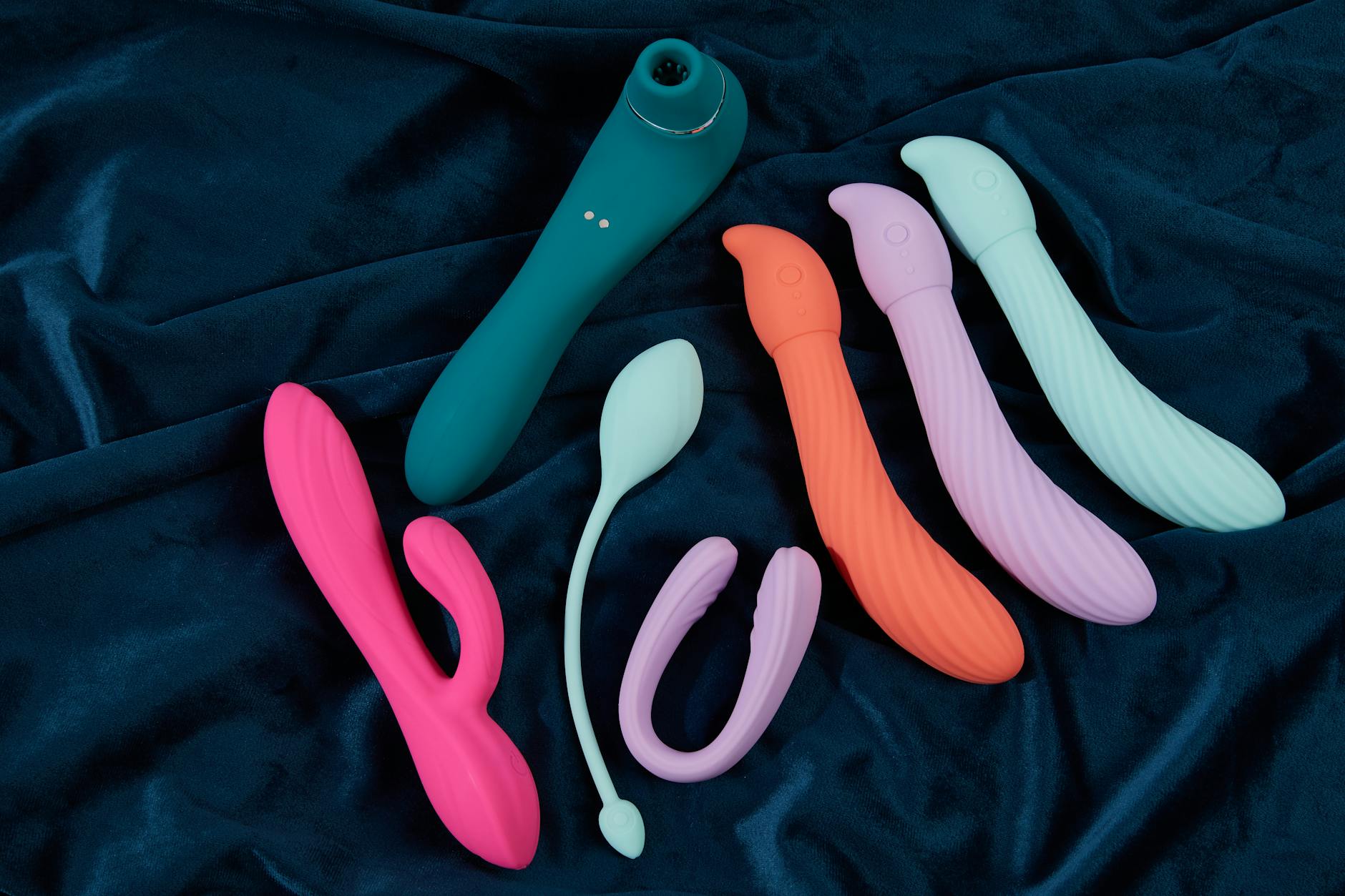
Clitoral suction vibrators like the Lem work differently than traditional vibrators. Instead of direct friction, they use gentle pulsing suction patterns that stimulate the clitoral network without requiring significant blood flow or tissue elasticity to start.
Three reasons this matters for cancer recovery specifically.
First, reduced pressure threshold. After chemotherapy or radiation, direct vibration can feel overwhelming or painful on sensitive tissues. Suction distributes the sensation across a wider area and feels gentler on nerve endings that are already irritated. You can start at intensity level 1 or 2 and actually feel pleasure instead of discomfort.
Second, they work with reduced arousal response. Because suction stimulates a broader network of nerves, you don't need to be fully lubricated or deeply aroused to feel something. For people rebuilding sensation after hormone therapy, this is huge. You can warm up faster and reach pleasure without the gatekeeping frustration of "am I aroused enough yet."
Third, they're less psychologically triggering. A traditional vibrator on a body that has been poked, prodded, and medically examined for months can feel clinical and invasive. The Lem's design and size feel more like exploration, less like another medical intervention. That psychological difference is everything when you're rebuilding trust with your own body.
The emotional architecture of post-treatment pleasure
Here's what most guides miss: the physical piece is half the work. The other half is rewiring what you believe about your body.
After cancer treatment, your body feels like a crime scene you survived. Sometimes literally. There are scars, marks, changes you can see and feel. There are systems that don't work the way they used to. Your brain is still in protection mode. Activating pleasure feels like betrayal, or frivolity, or tempting fate.
The path back has a few stages.
Stage 1: Permission. You have to actively give yourself permission to want pleasure again. Not eventually. Not after you're "fixed." Now. This is the hardest part because it feels selfish or premature. It's not. Pleasure is part of healing. It's part of reclaiming your body as yours instead of cancer's.
Stage 2: Exploration without expectation. You're not trying to orgasm. You're not trying to prove anything. You're just noticing what feels neutral, what feels good, what feels uncomfortable. A lemon vibrator is perfect for this because the lower intensity settings feel exploratory, not performative. You can spend weeks just noticing.
Stage 3: Patience with non-linearity. Some days sensation will be there. Other days the same touch will feel numb. This isn't regression. This is normal post-treatment recovery. Your nervous system is still settling. Expecting consistency is a setup for disappointment.
Practical steps for using a lemon vibrator in post-treatment recovery
Week 1-2: Solo exploration. Use your lemon vibrator alone, with no goal except noticing. Start with the lowest setting. Spend 10-15 minutes just exploring what different sensations feel like. Your job is observation, not climax. Many people find that simply paying attention to their body again, without judgment, is healing.
Week 3-4: Building tolerance. If lower settings feel good, try moving to settings 2 or 3. Still solo. Still no goal. The point is to show your nervous system that it's safe to feel sensation again. Some days will feel numb. Use those days to use the vibrator while listening to something that turns you on, or thinking about something that does. You're rewiring the neural pathway between pleasure and your body.
Month 2+: Introducing a partner (if applicable). If you have a partner, this conversation needs to happen away from the bedroom first. "My body has been through trauma. Rebuilding pleasure is part of my healing. I'd like us to explore this together, but there's no pressure, and some days will be harder than others." A partner who loves you will get it. They may even cry. Let them. They're relieved you want pleasure again too.
Throughout: Use proper lubrication. Cancer treatment almost always means vaginal dryness. Water-based lubricant isn't optional. It's basic comfort. Apply generously before using your vibrator and reapply as needed.
When to pause and seek support
If penetration or touch causes sharp pain, see your gynecologist. Vaginal atrophy and scarring are treatable with topical estrogen creams or pelvic floor physical therapy. Pain is information. It's not a sign you've failed or that your body is broken permanently.
If you're experiencing trauma responses to touch (flinching, dissociation, freezing), work with a therapist who specializes in cancer survivorship. Somatic therapy and trauma-informed care can help separate touch-as-medical-invasion from touch-as-pleasure. This is above the DIY level, and that's okay.
If you're partnered and struggling to reconnect, couples counseling with someone who understands medical trauma is invaluable. Your partner may feel guilty, scared, or rejected. You may feel pressure to perform or prove your body still works. A third party can hold space for both of those truths.
The part nobody tells you
Many cancer survivors report that their pleasure deepens after treatment. Not because cancer is good (it isn't), but because survival rewires your priorities. You know what it feels like to almost lose your body entirely. Reclaiming pleasure becomes an act of reclamation. You're not rushing. You're not performing. You're just present, grateful, and willing to slow down enough to feel good.
Your body survived. Now let it remember what joy feels like. That's not selfish. That's resilience.
FAQ: Pleasure and recovery after cancer treatment
Can I use a lemon vibrator during active cancer treatment?
Talk to your oncology team first. During active chemotherapy or radiation, your immune system is compromised and your body is in active healing mode. Some treatments make tissue extra sensitive. Some doctors recommend waiting until recovery is further along. There's no one-size answer. Your care team knows your specific situation and can give you the real timeline.
How long does it take to get sensation back after treatment?
It varies wildly. Some people notice changes within weeks. Others take six months to a year. Hormonal recovery is slower than nerve recovery. Radiation effects can take two years or more to stabilize. Your body isn't on a schedule. Patience isn't poetic here. It's biological.
What if my partner feels guilty or doesn't know how to help?
Give them a job. Ask them to apply lubricant, or to sit next to you while you explore. Ask them to tell you what they find beautiful about your body now. Partners often want to help and don't know how. Specific requests are easier to act on than vague reassurance. You're not responsible for managing their feelings, but clear communication helps.
Is it normal to feel numb even with a vibrator?
Completely. Chemotherapy neuropathy and radiation effects don't disappear instantly. Numbness is also a trauma response. Your nervous system may be protecting you. Keep exploring without pressure. Some days will feel more than others. This is normal recovery, not failure.
Can I use a lemon vibrator if I've had reconstructive surgery?
Yes, but check in with your surgeon first about scar tissue sensitivity. Scars can be tender for years. Some people find that gentle stimulation around (not on) scars helps with desensitization. Others need the area left alone for longer. Listen to your body. Mild discomfort that fades is different from sharp pain that stops you. The first is healing. The second is a sign to wait.
What if I'm not interested in partnered sex anymore, just solo pleasure?
That's completely valid. Cancer treatment changes priorities. Some people find that solo pleasure is enough, and that's okay. There's no obligation to want partnered sex ever again. If you're grieving that shift, that's real. If you're relieved, that's also real. Both are allowed.
Moving forward
Your pleasure isn't a luxury to reclaim after you're "fully healed." It's part of healing. It's a way of telling your nervous system that survival is possible, that your body can feel good, that you're worth the time and patience and gentleness this process requires.
If you're building this back after cancer treatment and you're not sure where to start, that's what we're here for. You deserve support, tools, and honest information. Get in touch with us if you want to talk through your specific situation.
Your body survived. Now let it feel good.