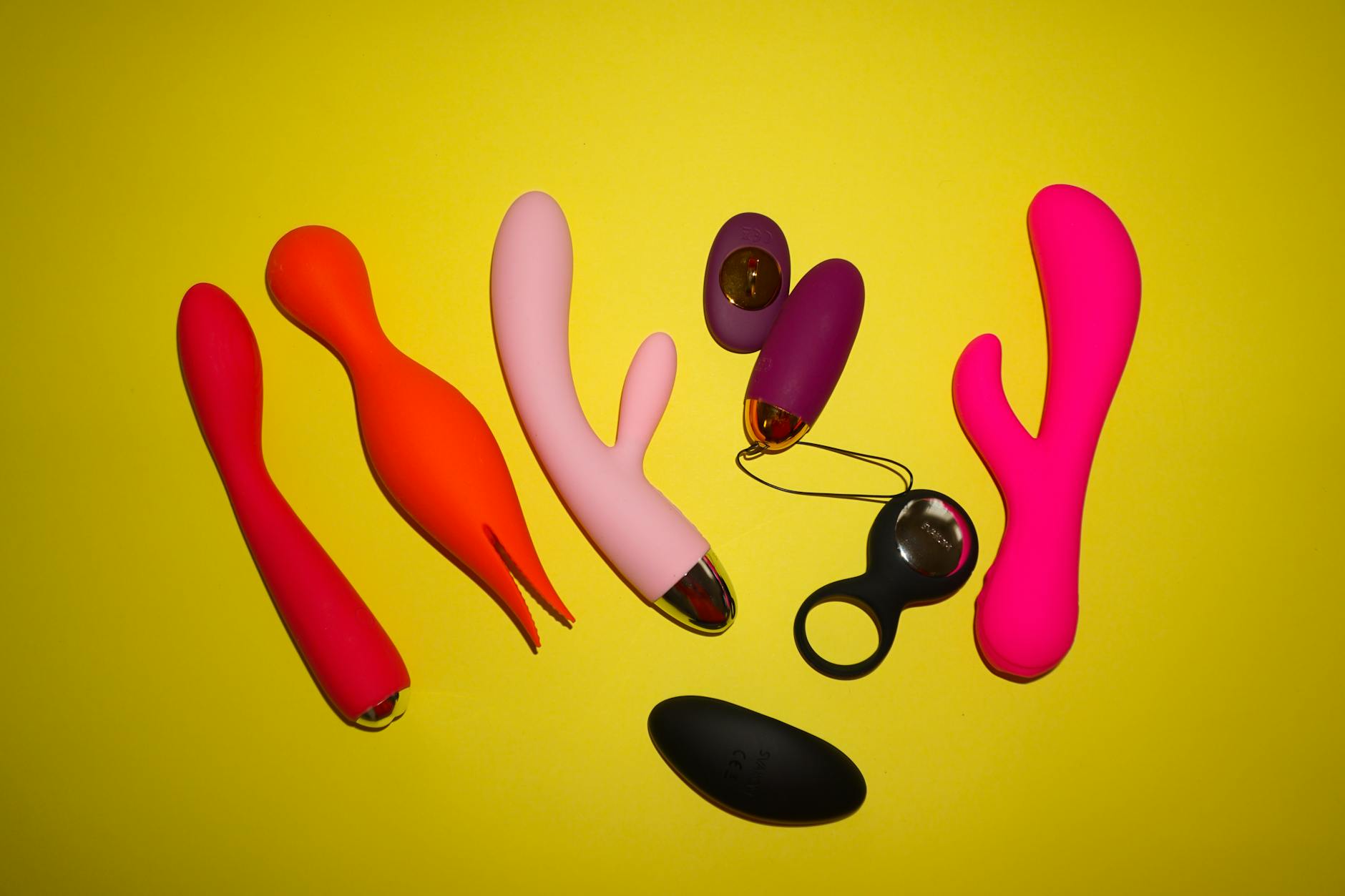
Let's be real. Perimenopause is not menopause. It's messier.
Instead of a clean drop in hormones, you get a seesaw. Estrogen and progesterone spike and dip unpredictably over months or even years. One week your body feels responsive and your skin glows. The next week, nothing feels quite right. Arousal takes longer to build. Lubrication is inconsistent. Sensation feels either muted or hypersensitive. And just when you think you've figured out what works, your hormones flip again.
This isn't in your head. The research on perimenopause and sexual response is sparse, but what exists confirms this: hormonal variability directly changes clitoral sensitivity, vaginal lubrication, and arousal speed. The good news is that lemon clitoral vibrators, particularly air-suction devices like the Lem, are uniquely built to handle this instability. They work with your fluctuating body instead of requiring perfect conditions.
Here's how to use lemon vibrators during perimenopause when your hormones are literally all over the map.
During your reproductive years, your hormonal cycle is predictable. Ovulation happens. Progesterone rises. You know roughly when to expect changes. Perimenopause throws that calendar out the window.
Estrogen can spike unexpectedly, making tissue more sensitive. It can also drop suddenly, causing vaginal dryness and thinner tissue. Progesterone fluctuation affects mood, blood flow, and how quickly your nervous system responds to stimulation. Testosterone dips unevenly, which directly impacts desire and clitoral sensitivity.
What makes this confusing is the unpredictability. You might have four days of normal arousal, then two days where everything feels numb. Then suddenly hypersensitive. Your clitoris doesn't change. Your brain doesn't change. But the hormonal backdrop absolutely shapes how you experience touch.
Clitoral vibrators that rely on direct friction (like traditional wand vibrators) become harder to use during these swings. Too much pressure on hypersensitive weeks. Not enough intensity on numb weeks. The lemon sucker design works differently. It uses gentle suction and pulsing patterns rather than raw vibration intensity, which means you can stay in the same pattern regardless of your hormonal week.
Air-suction technology, like the design of the Lem vibrator, stimulates through gentle rhythmic suction rather than direct vibration. This matters enormously during perimenopause.
When estrogen is high and tissue is sensitive, traditional vibrators can feel overwhelming. The Lem's suction approach feels gentler and more nuanced. When estrogen is low and sensation feels muted, the suction pattern creates a different kind of stimulation that reaches deeper nerve clusters without requiring you to crank up the intensity to uncomfortable levels.
Second, lemon clitoral vibrators have multiple pattern options. Instead of just "faster" and "slowest," you get subtle variations in rhythm. This means you're not adjusting intensity (which gets frustrating with hormonal shifts). You're adjusting the pattern of stimulation itself. Some weeks pattern three feels perfect. Some weeks pattern five. Your body's telling you what it needs, and the device gives you the flexibility to listen.
Third, air-suction doesn't dry out tissue. Direct vibration sometimes creates friction that feels uncomfortable on days when lubrication is already low. Suction creates a seal and pulsing action without that grinding sensation. It's why people with vaginal dryness often find them easier to use consistently.
This sounds tedious, but it genuinely helps. For two cycles, note the date, your mood, energy, and how your body feels during touch.
You'll probably see a pattern emerge. Not a perfect cycle (perimenopause doesn't work that way), but a rough trend. Maybe you have three to five days around ovulation where you feel super responsive. Maybe you have a week mid-cycle where lubrication is lower. Maybe the days before your period feel hypersensitive.
Once you see the pattern, you can adjust your approach proactively instead of being surprised. This is especially useful for partnered sex. Instead of "my body feels weird today," you can say "I tracked this and we usually have better connection if we try on day 18 instead."
Tracking also helps you separate hormonal shifts from other things. Sometimes perimenopause coincides with stress, sleep disruption, or relationship friction. Journaling makes it obvious which factor is actually at play.
Your favorite pattern from last month might feel wrong this month. That's not a failure. That's your body giving you useful information.
Start with pattern one or two every time, even if you've used the Lem before. Especially on weeks when you're unsure about sensitivity. You can always build up to a stronger pattern. You can't un-do intensity that was too much.
Many people find that during high-estrogen weeks, they prefer the gentler patterns. During lower-estrogen weeks, they might jump to pattern four or five because the gentler pulse doesn't create enough sensation. There's no "right" setting. There's only what works for your body today.
This flexibility is why lemon vibrators beat traditional vibrators for perimenopause. A standard wand gives you fast or faster. A Lem gives you rhythm variation, so you're not always chasing intensity.
During perimenopause, lubrication is rarely consistent. Some weeks your body produces plenty. Some weeks it's visibly less.
I recommend keeping water-based lubricant on hand every single time, even on weeks when you think you won't need it. It takes thirty seconds to apply and removes the guesswork. You're not using it because something is wrong. You're using it because it makes the experience smoother and more reliable.
Water-based lube is essential for lemon clitoral vibrators. Silicone-based lubes can degrade silicone toys over time. Stick to water-based, and reapply halfway through if you're going longer than ten minutes.
One more thing. On weeks when dryness feels significant, give yourself longer warm-up time. Ten to fifteen minutes of foreplay or solo exploration before the vibrator arrives. This isn't because you're broken. Longer arousal time helps your body produce its own lubrication naturally. Then the lube is a backup, not a life raft.
Sensation feels hypersensitive one week and muted the next. Both are real. Both are frustrating.
For hypersensitive weeks, slow breathing helps. Breathe in for four counts, out for four. This activates your parasympathetic nervous system and tells your body it's safe. Paradoxically, feeling safer makes you less defensive about stimulation. Your pelvic floor relaxes. Everything feels less raw.
For muted weeks, faster breathing and pelvic floor engagement sometimes helps. Breathe shallowly and fast (like you're excited), and gently squeeze your pelvic floor during the suction. This increases blood flow and sensation. You're not forcing pleasure. You're priming your nervous system to notice it.
Some perimenopause symptoms need medical support. If pain appears during sex, or if dryness is so severe that water-based lube barely helps, talk to a doctor who specializes in menopause care. There are topical estrogen creams and vaginal moisturizers that work genuinely well.
If you're losing all interest in sex and it's distressing you, that's also worth mentioning to a clinician. Hormonal shifts can affect desire, but so can depression, relationship disconnection, and medication side effects. Untangling which is which usually requires a conversation with a professional.
There's also no shame in trying a different approach entirely. Some people find that clitoral vibrators work great for them during perimenopause. Others find that partnered touch or manual stimulation feels better. Perimenopause is a time to experiment and listen to your body, not to force yourself to use tools that don't feel right anymore.
Your body is not failing you. It's changing rapidly and unpredictably, which makes consistency hard.
The Lem vibrator and other lemon suction toys are tools designed for exactly this. They're flexible enough to work across hormonal shifts. They don't demand perfect lubrication or consistent sensitivity. They adapt to you instead of asking you to adapt to them.
Many people find that perimenopause is actually when they start exploring pleasure more intentionally. Because your body's not cooperating automatically, you get curious about what actually works. And that curiosity often leads to deeper understanding and more satisfying experiences than you had when you could just reach for the same tool every time.
Your pleasure matters right now, even though your hormones are a mess. Especially because they are.
Hot flashes happen when estrogen suddenly drops, usually triggered by stress or being in a warm environment. Yes, lemon clitoral vibrators work fine during a hot flash. You might want to use them when you're cool and comfortable, and skip them if you're actively flushed. But there's nothing about the suction technology that conflicts with hot flashes. Some people actually find that orgasm cools them down temporarily.
Completely. Perimenopause means your cycle gets unpredictable. You might have a period one month and skip three months, then start again. Using a lemon vibrator anytime you want to is fine. Some people prefer not to use internal toys during their period, but external clitoral stimulation is safe whenever. If anything, orgasm sometimes helps with cramping.
Then you're probably in a lower-estrogen week. Try the higher-intensity patterns (patterns five through seven). If even those feel insufficient, you might want something with more aggressive vibration rather than suction. But most people find that adding lubrication and giving themselves more warm-up time solves this before they need a different toy.
No. If you're using HRT during perimenopause, your hormones are more stable, which actually makes pleasure more predictable. You might feel more consistent sensation and lubrication. Use your lemon vibrator exactly the way you would without HRT. The patterns and approach don't change.
Yes. That's the whole point. Your clitoral tissue and nerve sensitivity are literally changing week to week during perimenopause. The Lem isn't inconsistent. Your body is responsive to hormonal shifts, and the vibrator is responsive to your body. That's the feature, not a bug.
Use them as much as you want. Some research suggests that consistent sexual activity (partnered or solo) actually helps stabilize mood and sexual function during perimenopause. If pleasure feels harder to access, using the Lem more often, not less, might actually help. Your body's getting signals that pleasure is possible, and that can improve overall sexual confidence.
Perimenopause is unpredictable. Your hormones shift week to week. Your sensitivity changes. Your lubrication is inconsistent. That doesn't mean you're broken or that pleasure is off the table.
Lemon clitoral vibrators, especially air-suction designs like the Lem, are built to work with this hormonal variability instead of against it. They offer pattern flexibility instead of just intensity adjustments. They work across sensitivity swings. They handle lubrication fluctuations gracefully.
Track your cycle loosely. Adjust your settings intentionally. Use lubricant every time without hesitation. Breathe. And remember that your pleasure matters just as much during perimenopause as it did before.
Your body is changing. That's uncomfortable. It's also manageable, and it's absolutely not the end of pleasure. You deserve tools that work for you right now, not tools that ask you to be consistent when your hormones won't let you be.