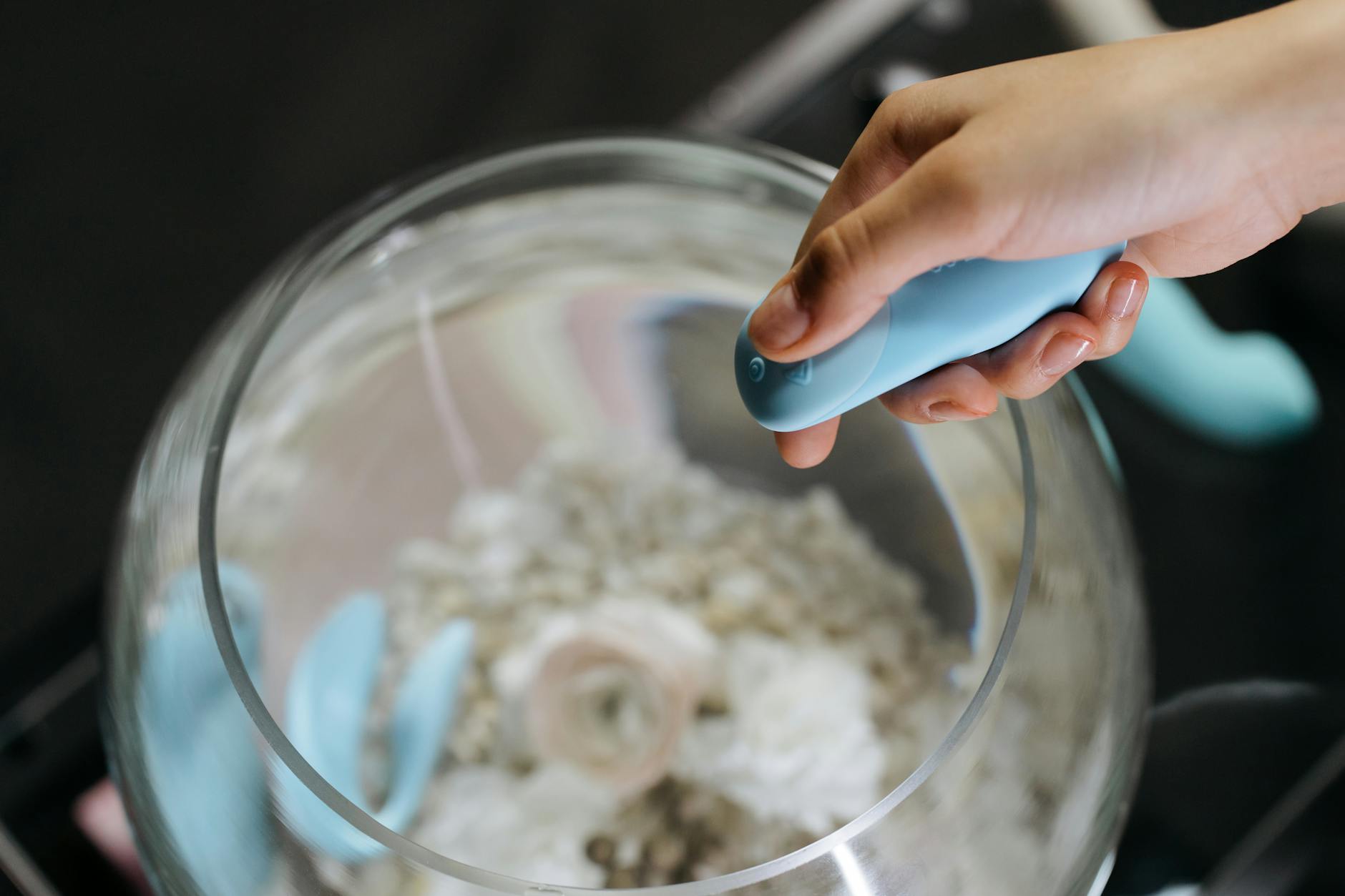
How to Use Lemon Vibrators During Postpartum Recovery Without Irritating Sensitive Tissue
Your body just did something extraordinary. And right now, it probably feels like it went through a war. Between hormonal shifts, tissue changes, sleep deprivation, and the sheer physical demands of new parenthood, pleasure isn't exactly top of mind. But here's what I know from working with clients through this phase: reconnecting with your own body during postpartum recovery isn't selfish or weird. It's part of healing.
The question isn't whether you should explore pleasure again. The question is how to do it safely when everything down there is still tender, swollen, or just plain confused about what normal feels like.
A lemon clitoral vibrator can actually be your best tool for this. Not because it magically heals anything, but because the design and intensity control make it possible to reintroduce sensation without the friction or pressure that can aggravate healing tissue.
Understanding postpartum tissue changes
Let me be direct: your genital tissue right now is not the same as it was before pregnancy. Vaginal and vulval tissue swells during pregnancy and stays somewhat engorged postpartum. Even after visible bleeding stops, the tissue is still in healing mode for weeks. If you had a vaginal delivery, there are micro-tears (and possibly larger ones, depending on what happened). If you had a cesarean, you're recovering from abdominal surgery on top of hormonal chaos.
Then there's the lochial discharge, the involuting uterus, and the fact that your prolactin levels (if you're nursing) are suppressing estrogen. Low estrogen means thinner, less elastic tissue. It's slippery and tender at the same time, which sounds contradictory but feels deeply weird.
Most healthcare providers suggest waiting 6 weeks before any penetrative activity. But you don't need to wait 6 weeks to reconnect with your own body and explore what feels good. There's a huge difference between rest and total avoidance.
When and how to start slowly
Three conditions need to be met before you even think about using a lemon vibrator or any clitoral vibrator postpartum.
First, you need to have clearance from your doctor or midwife. That usually happens around the 4-week mark, but every person is different. If you had significant tearing or a complicated delivery, your practitioner might want to wait longer. Get the all-clear before you proceed.
Second, any heavy bleeding needs to have stopped. Lochia is normal, but if you're still passing clots or soaking pads, your body isn't ready. The presence of open wounds makes infection risk real.
Third, you need to actually want this. Postpartum touch aversion is completely normal, especially if you're nursing or carrying a baby all day. If the thought of any additional stimulation makes you want to climb out of your skin, that's your cue to wait longer. Pleasure should never feel like an obligation.
When you do start, keep these principles in mind: lower intensity, shorter duration, more lubrication, and lots of patience.
The lemon vibrator advantage for postpartum bodies
Here's why air-suction lemon clitoral vibrators work better than traditional vibrators during postpartum recovery. A standard vibrator uses direct mechanical stimulation. It's buzzing directly against tissue. That works great when tissue is thick and robust. Postpartum tissue is thin, inflamed, and sensitive. Direct vibration can feel too intense or even irritating.
A lemon sucker uses gentle suction instead. You're not grinding or pressing. You're creating a small zone of gentle pressure and release. This stimulates the nerve endings without the harshness of direct contact. The lowest settings on a lemon vibrator move so gently that many clients describe it as almost meditative at first.
The control matters too. You can start at setting 1 or 2 and stay there for weeks if you want. There's no pressure to level up. Your nervous system gets to relearn pleasure on its own timeline.
Step-by-step introduction to lemon vibrators postpartum
Start with external stimulation only. We're talking clitoral area, not anything near the vaginal opening where there might still be healing or sensitivity.
Choose a time when you're alone, rested (as much as that's possible with a new baby), and not touched out. If you're nursing, maybe wait until after you've fed and the baby is with a partner or sleeping. Your nervous system needs to know this is separate from caretaking.
Use a water-based lubricant. Postpartum tissue is drier than usual, and even though you're using suction rather than friction, lube makes everything feel better and more comfortable. It's not an extra step. It's essential.
Start with the lowest intensity setting. Spend time just getting used to the sensation. This isn't about orgasm. This is about rediscovering that your body can feel good again. Some clients spend 2-3 sessions just on setting 1, building comfort.
Keep sessions short. Fifteen minutes, maximum. Your healing tissue gets fatigued, and you're also still exhausted in general. Shorter and more frequent is better than long and intense.
Stop immediately if anything hurts or feels wrong. Sensation is normal. Mild tingling, warmth, that's fine. Sharp pain, persistent stinging, or anything that doesn't feel right? Stop and give yourself more time. Your body will tell you what it needs.
Managing common postpartum sensations
You might feel a prickling sensation, especially if you had an episiotomy or tearing. This is often just nerve regeneration. It usually settles down.
Some clients experience a sensation of pressure rather than direct pleasure at first. That's normal. You're retraining your nervous system to interpret signals after significant physical stress. It takes time.
If you're experiencing tingling or numbness, that could indicate nerve involvement in your tear or from pressure during delivery. This also typically resolves on its own, but if it persists beyond 12 weeks postpartum, mention it to your healthcare provider.
If you're leaking urine during or after stimulation, your pelvic floor is still recovering. Back off for another week or two, then try again with less intensity. This happens and it's not permanent.
The hormonal reality of postpartum pleasure
Your desire probably isn't where it used to be. That's not broken. That's biology. Prolactin suppresses estrogen. Low estrogen suppresses arousal. Add sleep deprivation and the sensory overload of a new baby, and you're running on fumes.
This means your body might not respond to stimulation the way it used to. You might not get wet. You might not feel arousal building in the familiar way. Your orgasms might feel flatter or take longer. All of this is temporary.
What helps: patience, curiosity instead of expectation, and understanding that you're not trying to recreate your pre-baby sex life right now. You're building a new relationship with your own pleasure.
What to avoid during postpartum recovery
Don't go deep. External clitoral stimulation only until you've had proper clearance and you feel ready. Even then, most practitioners recommend waiting until at least 6-8 weeks before any internal stimulation, even with fingers.
Don't compare your healing to anyone else's. Some people feel ready to explore pleasure again at 4 weeks. Others need 12. Both are normal.
Don't skip the lubrication. Even if you never needed it before. Even if you think you should be wet by now. Use it anyway. It removes friction, which is the enemy right now.
Don't shame yourself if you feel nothing. Postpartum touch aversion is real. Some bodies need months before they want additional stimulation. That's not failure. That's listening to yourself.
When to check in with your healthcare provider
If you experience pain (sharp, not just sensitivity), contact your doctor. If you develop an infection (unusual discharge, fever, foul smell), get checked. If numbness or tingling persists past 12 weeks, mention it at your postpartum visit.
If you're struggling with desire or arousal that doesn't seem to be improving by 3 months postpartum, that's worth discussing too. Sometimes postpartum depression or anxiety masks itself as low libido. Your healthcare provider can help you sort out what's happening.
Building back to pleasure as a practice
Consider this exploration part of your recovery, not separate from it. When you use a lemon vibrator or any clitoral vibrator during postpartum recovery, you're not indulging in something frivolous. You're reestablishing connection with your own body. You're learning what it can do now. You're building evidence that pleasure is possible again.
Most clients find that by 8-10 weeks postpartum, with consistent but gentle exploration, sensation returns to something closer to normal. By 12-16 weeks, desire usually starts coming back. By 6 months, most people feel like themselves again, though sometimes different. That's the thing nobody tells you: postpartum recovery isn't about returning to exactly how you were. It's about integrating who you are now.
Your body just created life. Give it time. Give it patience. And when you're ready, a lemon clitoral vibrator can be exactly the right tool for reconnecting at your own pace.
People also ask
Can I use a lemon vibrator before 6 weeks postpartum?
External clitoral stimulation with a lemon sucker on the lowest settings can often be explored after your 4-week check-in if your doctor gives clearance and you feel ready. The key is external only, no internal contact. That said, listen to your body. If something doesn't feel right, wait longer. 6 weeks is a guideline, not a rule, but it exists for a reason.
Will using a lemon vibrator delay my postpartum recovery?
No. Gentle external stimulation doesn't interfere with healing. If anything, some practitioners notice that improved pelvic blood flow from arousal can support healing, though the research here isn't definitive. What matters is that you're using lowest intensity, keeping sessions short, and stopping if anything feels painful or wrong.
How much lubrication do I need with a lemon vibrator postpartum?
More than you'd normally use. Postpartum tissue is drier due to lower estrogen, especially if you're nursing. A quarter-size amount is a good starting point. You can always add more. Water-based lubricant is essential because silicone-based lubes can degrade silicone toys, and your tissue is sensitive enough without adding extra variables.
What if my perineal or cesarean scar area still feels very tender?
Keep stimulation away from the scar completely until you're well past 12 weeks. If you had significant tearing or a surgical repair, your doctor might recommend waiting even longer before any clitoral stimulation. Ask at your postpartum visits. You can also explore sensation on other parts of your body (inner thighs, breasts, if those don't feel touched-out) until the healing area is more comfortable.
Is it normal to feel nothing when using a lemon vibrator postpartum?
Completely normal. Your nervous system is under enormous stress. Hormones are chaotic. You might not feel arousal building the way you used to. You might not feel much of anything at first. This is temporary. Keep sessions low-pressure and short. Think of it as relearning rather than rediscovering. Sensation usually returns as hormone levels stabilize and you get more sleep.
When does postpartum desire usually return?
It varies wildly. Some people feel it coming back around 3 months. Others don't until 6 months or longer. If you're nursing and co-sleeping, your body might suppress desire intentionally to avoid additional pregnancy right away. That's a built-in protective mechanism. Desire usually increases when you're sleeping more, nursing less (or stops if you stop nursing), and your prolactin levels drop. Talk to your partner about this if you have one. It helps when they understand it's temporary.
A final thought
Postpartum recovery isn't just about healing from birth. It's about integrating all the ways your body changed and rediscovering yourself as a sexual being in your new body, in your new life. That process takes time and gentleness. If a lemon vibrator can be part of that journey, it's worth exploring. But only on your timeline, at your pace, and with permission from your own body. That permission matters more than any timeline on the internet.
If you're ready to explore and have questions about what might work for your specific situation, reach out to our team. We're here to help you feel good again.