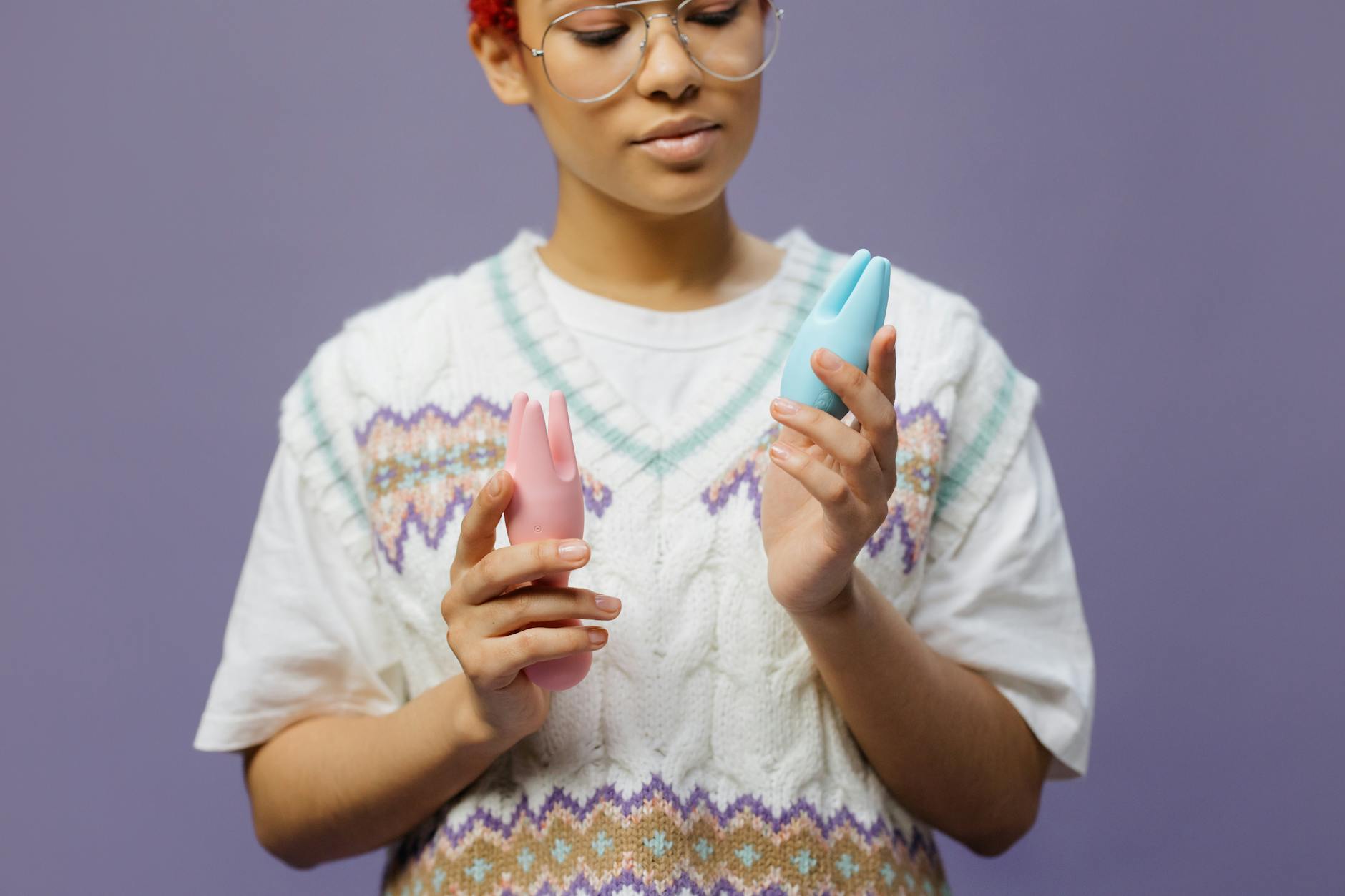
When your body heals, pleasure doesn't always come back on schedule
Recovery is unpredictable. Whether you're healing from surgery, illness, injury, or trauma, your nervous system rewires itself on its own timeline, and pleasure—which depends entirely on that nervous system—goes along for the ride. Some days your body responds the way it used to. Other days, touch that should feel good feels like nothing. Or worse, it feels painful or triggering.
That disconnect is real, and it's not your fault. Your body isn't broken. It's just recalibrating.
Here's where lemon clitoral vibrators come in. They're not a magic fix, but they're specifically useful during recovery because they're gentle, predictable, and you control the intensity entirely. When your nervous system is still figuring itself out, that matters.
Why recovery messes with sensation and arousal
Think of your nervous system like a complex network with dimmer switches. Surgery, illness, chronic pain, and emotional trauma all flip those switches around. Some areas get hypersensitive. Others go numb. Arousal requires your parasympathetic nervous system—the "rest and digest" part—to be calm and available. During recovery, that system is often stuck in high alert, protecting you from further harm.
This shows up in a few ways:
Your body takes longer to warm up. Ten minutes of foreplay might have been enough before. Now it's twenty or thirty. Your partner might feel the change as rejection. You might feel it as your body betraying you. It's neither. It's just healing.
Touch that feels pleasurable in theory feels absent in practice. You can feel the physical contact, but the pleasure signal doesn't arrive. The nerve endings are fine. The problem is upstream, in how your brain is processing sensation right now.
Arousal comes and goes unpredictably. Some days you're interested. Some days the thought of sex makes you anxious. This isn't about desire—it's about your nervous system's capacity to be receptive.
Orgasms feel different or don't arrive at all. The pathway is still there. The nerve density hasn't changed. But the electrical signal—the cascade that creates that release—takes a different route while you're healing. Patience wins here.
Why lemon clitoral vibrators work during recovery
Lemon vibrators—specifically the suction-style design of the Lem—are gentler than traditional vibrators on several fronts.
They create sensation through gentle air-suction rather than direct vibration. For someone whose nervous system is healing, that's meaningful. Direct vibration can feel overstimulating or even painful if your tissue is sensitive or if you're in a state of nervous system hyperarousal. Suction stimulates without aggressive friction. It's more like a pulse than a buzz.
You control the intensity with precision. The Lem has multiple pattern settings. You can start at pattern 1—barely a whisper—and work up slowly if and when your body feels ready. That predictability and agency reduce anxiety. Your body knows what to expect.
They work through the clitoris, which is often the most resilient erogenous zone during recovery. The clitoris has 8,000 nerve endings and can often respond when other parts of your body still need time. Starting there—with a gentle lemon sucker tool—is biomechanically smart during healing.
You don't need arousal to start. This sounds counterintuitive, but it's important. Some recovery phases leave you feeling disconnected from desire entirely. With a lemon clitoral vibrator, you don't have to wait for the desire to show up first. You can use the tool to gently stimulate the area and, often, arousal follows. Your nervous system may need permission to wake up again. Sometimes the permission comes from gentle, consistent touch.
How to use a lemon vibrator safely during recovery
Start with lubrication, even if you think you don't need it. Recovery often affects natural lubrication. Use a good water-based lube. It reduces friction, sends a signal to your nervous system that this is okay and safe, and makes the entire experience more comfortable.
Begin at the lowest setting. Pattern 1 on the Lem is genuinely subtle. If that feels like too much, you can hold the vibrator slightly away from your clitoris—hover it over the area rather than making full contact. Sound strange? It works. Some people benefit from the sensation through fabric or from a small distance while their nervous system recalibrates.
Set a time limit. Not because pleasure should have a deadline, but because recovery often means fatigue is real. If you're healing from surgery or illness, ten or fifteen minutes of gentle stimulation might be your actual maximum. That's fine. Consistency matters more than duration.
Notice what your body does, not what it should do. If your attention drifts, that's okay. If you feel aroused, that's okay. If you feel nothing and that's disappointing, that's also okay. The point isn't to have an orgasm or reach some finish line. The point is to gently remind your nervous system that pleasure is still possible. Some sessions will be about sensation. Some will be about reconnection. Some will be about proving to yourself that your body still works.
Pause if anything feels wrong. Not uncomfortable. Wrong. There's a difference. Discomfort during healing is sometimes part of the process—a tight muscle releasing, nervous system anxiety that settles with continued touch. But sharp pain, triggered feelings, or a sense that you need to stop means stop. Your body is communicating. Listen to it.
What to tell your partner (if you want to)
If you're in a relationship, your partner might feel confused or hurt by changes in your arousal or responsiveness. They might internalize it. Here's what actually helps: telling them the truth about what your body needs right now.
"My nervous system is still healing. Touch I used to love sometimes doesn't register yet." That's not a statement about their attractiveness or your commitment. It's factual information about your healing timeline.
"I'm using a lemon clitoral vibrator to gently reconnect with sensation on my own. It helps me figure out what my body can feel right now." Most partners understand that. Some couples even explore it together, though that's entirely optional.
"When I'm ready for partnered intimacy again, it might look different." Recovery often means your preferences shift. You might need more foreplay, less direct stimulation, different positions, breaks in the middle. Those aren't permanent changes necessarily—they're temporary adaptations while you heal. Naming that upfront prevents misunderstandings later.
When to seek professional support
If numbness or hypersensitivity persists beyond what your doctor expected, ask them directly about it. Some recovery phases include pelvic floor physical therapy, which can help reset your nervous system's relationship with that area. If you have trauma history alongside physical recovery, a trauma-informed therapist can help your nervous system feel safe again.
If arousal doesn't return and your mental health is suffering, that's worth discussing with a healthcare provider. Sometimes the issue is purely physical. Sometimes it's the intersection of physical recovery and emotional processing. Both are treatable.
Remember: lemon clitoral vibrators and other tools can help, but they're not substitutes for professional support when you genuinely need it. They're a starting point for reconnecting with your own pleasure, safely and on your timeline.
The timeline is different for everyone
Some people feel like themselves again in weeks. Others need months or years. The speed has nothing to do with how badly you want it or how determined you are. It's about how your particular nervous system heals. Acceptance of that timeline—rather than fighting it—is often what allows healing to accelerate.
Using a lemon vibrator during recovery isn't about achieving orgasm or proving anything. It's about sending a gentle signal to your body that pleasure is still part of your story. That your capacity for sensation is still there, even if it's temporarily changed. That you matter enough to take care of your own pleasure while you heal.
That signal, repeated gently over time, often makes a real difference.
People also ask
Can I use a lemon vibrator if I'm in physical pain during recovery?
Depends on the type and location of pain. If the pain is nowhere near your genitals and you feel psychologically ready, gentle clitoral stimulation is often fine. If the pain is in the pelvic area, check with your doctor first. You might need to wait longer, or you might benefit from working with a pelvic floor physical therapist who can help you use the vibrator safely. Pain is your body's signal. Listen to it.
How long after surgery should I wait before using a lemon vibrator?
That depends entirely on your surgery and your surgeon's post-op instructions. Most gynecological surgeries suggest waiting four to six weeks before any sexual activity. Other surgeries have different timelines. Ask your surgical team specifically about clitoral stimulation and toys—they often have nuanced answers that apply to your situation.
What if I feel nothing when using the vibrator during recovery?
That's common and temporary. Numbness is often part of healing, especially around surgical sites or after trauma. Your nerve endings aren't dead—they're just not transmitting yet. Continue using the vibrator gently if it feels safe. Many people report that sensation gradually returns over weeks or months. If numbness persists beyond your doctor's expected timeline, mention it at your follow-up appointment.
Can a lemon clitoral vibrator help with anxiety-related arousal issues during recovery?
Yes, often. Anxiety and arousal can't coexist in the same nervous system state. Gentle, predictable stimulation—like what a lemon sucker provides—can help your body learn it's safe again. The key is going slow and stopping if anxiety spikes. You're essentially teaching your nervous system that pleasure is still possible.
Should I use a lemon vibrator alone or with my partner during recovery?
That's entirely your call. Some people feel more comfortable exploring alone first, figuring out what their healing body responds to without audience. Others want their partner involved from the start. There's no right answer. Do what feels safest to you psychologically.
Will my sensation and arousal ever feel normal again after recovery?
Most people's sensation returns to baseline with time. Some people report that after recovery, their arousal or sensation is actually different in interesting ways. Your new normal might not match your old normal, and that's not failure. It's just how bodies work. If you're genuinely concerned about persistent changes, discuss them with a healthcare provider. Many recovery-related arousal issues are reversible.
Ready to reconnect
Healing takes time. Pleasure is part of that process, not separate from it. If you're navigating recovery and want to gently explore your own sensation again, a lemon clitoral vibrator offers a safe, controllable starting point. Go slow, listen to your body, and know that reconnecting with pleasure after recovery is absolutely possible.
Your body will get there. On its own schedule.