Let's talk about what cancer treatment actually does to pleasure
Chemotherapy, radiation, and surgery don't just affect your body's appearance or energy levels. They change the neural pathways, blood flow, and tissue sensitivity involved in arousal and orgasm. For many people, this is the least discussed side effect of cancer recovery, which means it's often the most isolating.
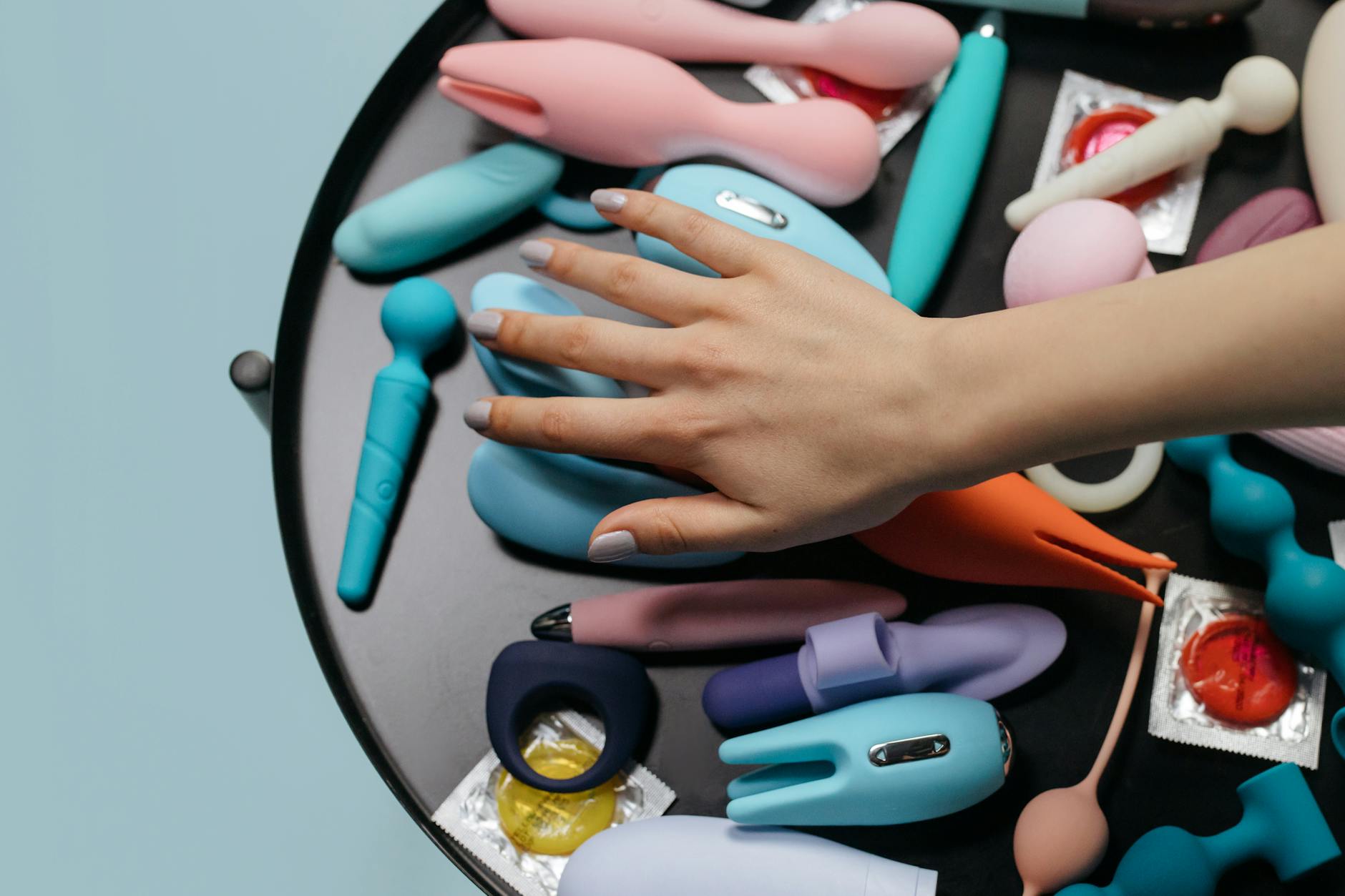
Here's what I want you to know: pleasure after cancer treatment is different, but it's not gone. And there are specific tools, like lemon clitoral vibrators from Lemon Toys, that can help bridge that gap while your body is relearning its own language.
How cancer treatment changes sensation
Chemotherapy often causes peripheral neuropathy. That's a fancy way of saying that the nerves in your extremities (including the clitoris) can feel numb, tingly, or hypersensitive. Some people describe it as a foggy distance between their brain and their body. Others feel sharp or burning sensations instead of pleasure.
Radiation to the pelvic area damages blood vessels over time, which means less blood flow to the genitals. Less blood flow means slower arousal, difficulty lubricating naturally, and less intense sensations overall. It's not a moral failing or a sign that your body is broken. It's tissue damage that responds to time and the right kind of stimulation.
Surgery, whether it's a hysterectomy, oophorectomy, or other pelvic procedures, disrupts nerve pathways and can shift where and how you experience pleasure. Many people find that their most sensitive areas have migrated or that they need a completely different approach to reach orgasm.
The psychological layer matters just as much. You've been through something. Your body has been medicalized, scanned, injected, cut. Reclaiming it for pleasure takes intentionality, not just physical healing.
Why lemon vibrators work better than traditional vibrators
This is where suction-based toys like Lemon Toys change everything. Traditional vibrators rely on direct mechanical friction. For someone with neuropathy or hypersensitivity, that can feel painful or numb.
Lemon sexual toys use gentle suction combined with rhythmic pulses. Instead of trying to force sensation through numbed nerve endings, suction stimulates the entire clitoral complex. It works particularly well when direct touch feels uncomfortable or overstimulating. It's also gentler on tissue that's already compromised by cancer treatment.
Many of my clients report that they felt pleasure again for the first time since treatment when they tried a lemon clitoral vibrator. Not because their body magically healed overnight, but because the sensation was reaching the nerves in a way that their treatment-changed nervous system could actually process.
Rebuilding arousal step by step
Start with the lowest setting on any lemon vibrator. Your nervous system is relearning what pleasure feels like. You're not trying to rush to an orgasm. You're gathering information.
Spend the first few sessions just noticing. Does suction feel better than vibration? Does pattern one create a sensation, or do you need pattern three? Does it help to warm up first with touch, or does that feel like too much?
Budget 20 to 40 minutes. Cancer treatment often steals patience along with sensation. Give yourself time. Your arousal might feel like watching paint dry for the first month. That's completely normal. Slowly, as your nerves and blood vessels heal, that baseline sensation will shift.
If you're working with a partner, tell them what you're doing and why. This isn't about excluding them. It's about gathering data so that when you're ready to include them, you actually know what works. Some people want their partner present during solo exploration. Others need privacy to feel safe experimenting. Both are valid.
Addressing pain and hypersensitivity
If touch feels painful or intensely uncomfortable, stop immediately. This isn't punishment for not trying hard enough. Your nervous system is still in protective mode.
Hypersensitivity after cancer treatment is real and common. It often improves with time, gentle touch, and sometimes topical treatments. A gynecologist familiar with cancer survivorship can prescribe numbing creams or suggest other approaches.
Wait longer between sessions if you need to. Let your nervous system settle. Then try again with even lower intensity. Some people find that they need 6 to 12 weeks of gentle, regular touch before their body starts to feel safe enough for pleasure again.
The emotional layer is not separate from the physical layer
I work with many cancer survivors who have the physical capacity for pleasure but the emotional conviction that they don't deserve it. Or they feel resentful of their body for betraying them. Or they're grieving the pleasure they had before treatment and that grief blocks them from accessing pleasure now.
None of that is about the vibrator. A lemon vibrator can't solve emotional trauma. But it can help you prove to yourself that sensation is still available. And that proof can be a doorway back to feeling like yourself again.
Talk to someone. A therapist, a sex counselor, a support group for cancer survivors. There are specific therapeutic approaches for post-cancer sexuality, and you don't have to figure this out alone.
When to check in with a doctor
If pain persists beyond a few weeks of gentle exploration, mention it to your oncologist or gynecologist. Some treatments cause lasting changes that respond to specific interventions. Vaginal dilators, topical estrogen, pelvic floor physical therapy. These are normal, evidence-based approaches to restoring sensation after cancer.
If you're experiencing numbness or tingling in the clitoris and it's not improving after three to six months, ask about treatment for neuropathy. In some cases, medications or other therapies can help regenerate nerve function.
There's also a small chance that what feels like numbness is actually scar tissue or changes to the anatomy itself. A specialist can help you understand what's actually happening, which removes a lot of the uncertainty and fear.
Small shifts that help
Warm up first. A warm shower, a heating pad on your lower abdomen, whatever helps you feel grounded in your body before you start.
Give yourself permission to use lube. You might not need as much as you did before if you're still healing, but even a small amount can help the sensation travel.
Start with your own body. Solo exploration with a lemon clitoral vibrator removes the pressure to perform or time your arousal around someone else's expectations. It's the safest place to ask your body: what's possible now?
Remember that pleasure is not the goal. Sensation is the goal. Reconnection is the goal. Orgasm might come later, and it might feel different when it does. That's okay.
People also ask
How long after cancer treatment should I wait before exploring pleasure again?
This depends entirely on your treatment and your individual healing. Some people feel ready after a few weeks. Others need months. There's no timeline that's right or wrong. Check in with your medical team about when it's safe to start, then listen to what your body actually needs. Many survivors find that waiting too long makes it harder to reconnect. But rushing into it before you're physically or emotionally ready can feel retraumatizing. Usually, that balance point is somewhere in the middle.
Can a lemon vibrator cause damage to sensitive tissue after cancer treatment?
When used at the lowest settings and with patience, no. Suction-based lemon sexual toys from Lemon Toys are gentler on healing tissue than traditional vibrators because they distribute sensation across the entire clitoral complex instead of concentrating force in one spot. That said, if something hurts, stop. Pain is information. It means your tissue isn't ready yet, and that's valuable data.
What if I still can't feel anything after months of trying?
Some people experience lasting neuropathy from chemotherapy. That's a medical issue, not a failure of your toy or your effort. Talk to your oncologist or a pelvic health specialist about treatments for chemotherapy-induced peripheral neuropathy. Some medications, physical therapy approaches, and other interventions can help regenerate nerve function. In the meantime, you might need a more intense tool or a different approach. A sex therapist familiar with cancer survivorship can help you figure out what's actually possible for your body right now.
Is it normal to feel guilty about wanting pleasure again after cancer treatment?
Completely normal. Many survivors feel like they should be grateful just to be alive, and that pleasure feels indulgent or selfish by comparison. But pleasure is part of being alive. It's how you know your body is yours again. Reclaiming pleasure is actually part of the healing process, not a distraction from it. If guilt is blocking you, that's worth exploring with a therapist.
Should I tell my partner that I'm using a lemon vibrator to rebuild sensation?
That depends on your relationship and what you need. Some couples find that working through this together, including solo exploration, deepens their intimacy. Others need privacy and distance to feel safe. There's no rule. Do what serves your healing. If you do decide to tell your partner, framing it as 'I'm working on rebuilding my body's pleasure' is usually more helpful than 'I'm not satisfied with what you can do.' This is medical, not relational.
Can I use a lemon clitoral vibrator if I'm still undergoing treatment?
Ask your oncology team. Some people can use gentle tools during treatment. Others need to wait until they're cleared. This is specific to your situation and your protocol. Don't guess. Check in with your doctors.
You get to rebuild this
Cancer steals a lot. It doesn't get to steal your pleasure permanently. Healing looks different for everyone. For some people, it looks like lemon vibrators and patience. For others, it's sex therapy and medication and time. Most of it is a combination.
What matters is that you're exploring, listening to your body, and giving yourself permission to feel good again. Your pleasure matters. Your body's recovery matters. And you're not alone in this.
If you need support, reach out. To your medical team, to a therapist, to a cancer support group. And if you want to talk more about rebuilding intimacy and connection after a major life shift, I'm here.