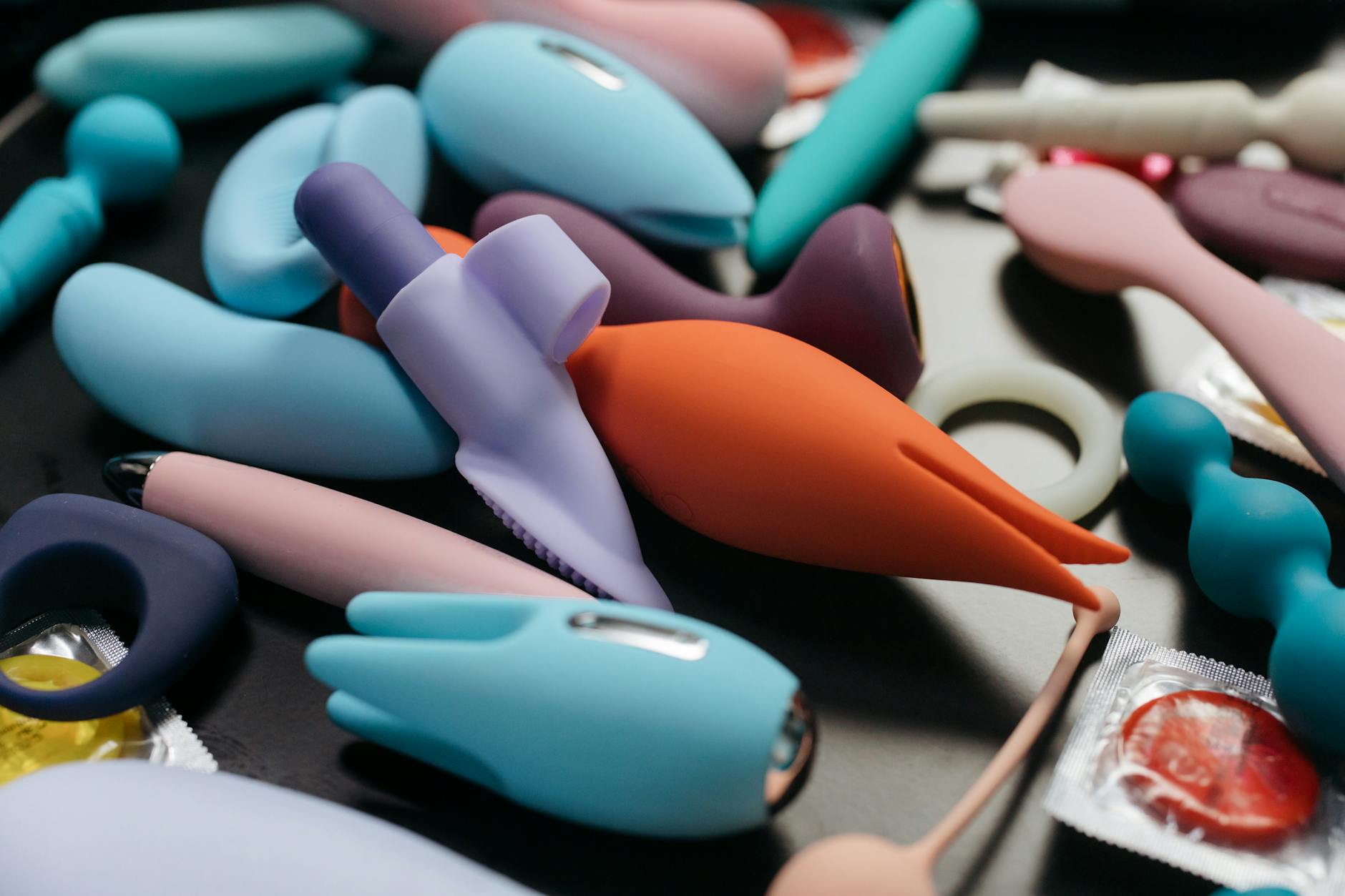
The disconnect is real, and it's not your fault
Infidelity tears a hole in your sense of safety. Not just in the relationship, but in your own body. Many people find that after betrayal, pleasure feels complicated. Touch that used to feel good now feels loaded. Your desire shuts down not because you've changed, but because your nervous system is protecting you from further hurt.
This is actually a normal trauma response. Your body is doing exactly what it's supposed to do. The question isn't how to force pleasure back immediately. It's how to rebuild trust with yourself, slowly and on your own terms.
That's where solo exploration with lemon vibrators comes in. Not as a salve that fixes everything overnight, but as a tool to help you reclaim agency over your own pleasure.
Why solo play matters more right now
When infidelity happens, your sexuality becomes tangled up with the betrayal. If you try to jump back into partnered sex too quickly, you're working against your nervous system. Your brain is still in survival mode. Adding another person to the equation often intensifies the disconnect instead of healing it.
Solo play with a clitoral vibrator does something different. It creates a boundary. You're choosing exactly what happens, exactly when, with no one else present. There's no performance, no navigation of another person's needs, no echoes of the betrayal. Just you, your body, and the sensations you choose to invite.
This is reclamation. It's not selfish. It's the foundation that has to exist before partnered intimacy can ever feel safe again.
Starting small: your first session back
Here's what usually works best for people rebuilding this connection.
Pick a time when you're genuinely alone and you can lock the door. Not because you're ashamed, but because your nervous system needs to feel secure. Set a timer for 20 minutes. No pressure to reach orgasm, no goal except to be present with whatever sensations show up.
Start with the lower settings on a lemon clitoral vibrator. Many people reach for intensity when they're trying to feel something, anything. Resist that. Gentleness is where trust rebuilds. You're teaching your body that it's safe to open again.
Try this sequence: apply a water-based lubricant, rest the vibrator against your inner thigh or labia without turning it on yet. Notice what that feels like. Then turn it to the lowest pattern and just breathe. Don't think about what should happen. Watch what actually does happen.
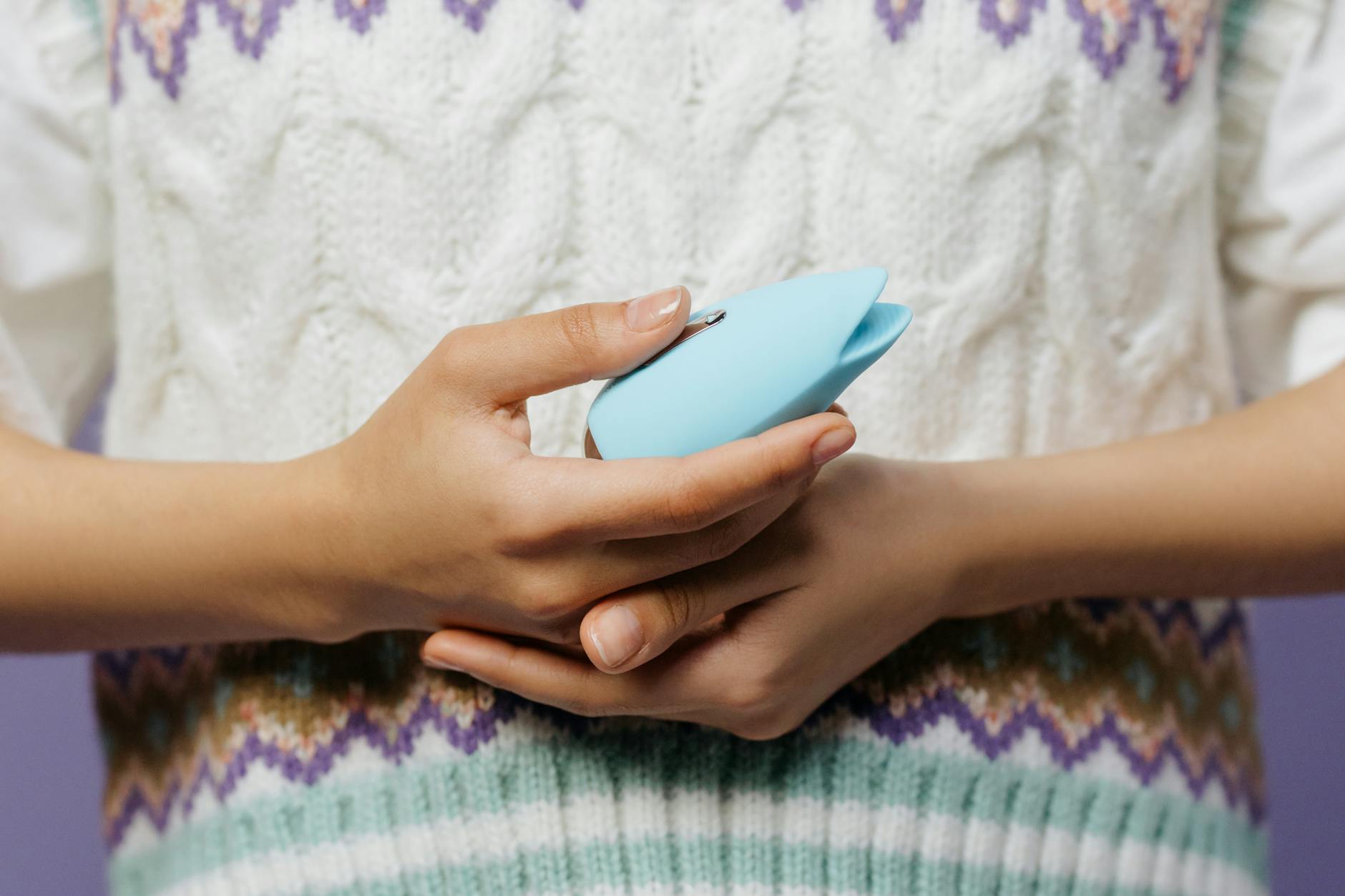
Photo by cottonbro studio on Pexels
The dissociation trap and how to move past it
Some people who have experienced betrayal find that when they start touching themselves, their mind just leaves. They're watching from outside their body. Or they're trying to feel arousal and nothing happens. That's called dissociation, and it's a protective mechanism.
If this happens to you, don't panic and don't force it. Your body is guarding against more hurt. Instead, slow down even more. Put the vibrator down. Take three deep breaths where you feel your feet on the floor, your hands on your thighs, the weight of your body in the chair. Grounding first, pleasure second.
Dissociation doesn't mean you're broken. It means you need to rebuild safety more gradually. Try five minutes instead of 20. Touch without vibration. Sit with sensation even if it feels dull or numb. Numbing is better than pain, and from numbness you can slowly rebuild feeling.
Why lemon vibrators work differently
A lemon clitoral vibrator, with its suction and broad stimulation pattern, doesn't demand the same kind of intense nerve response as other toys. You're not chasing a massive sensation. You're inviting subtle, consistent pressure. For someone rebuilding trust with their body, that difference matters.
The Lem vibrator's pattern allows your attention to stay on your own experience rather than chasing bigger and bigger feelings. You can stay present. You're not white-knuckling toward an orgasm. You're just... here.
Many people rebuilding after infidelity report that this gentler, broader stimulation helps them reconnect because it doesn't trigger the same performance anxiety that more targeted vibrators do.
When and how to eventually involve a partner
If you're in a relationship that's working toward repair after infidelity, there will eventually be a time to bring the vibrator into partnered play. Not immediately. Only when you've had consistent solo sessions where you felt safe and present.
When you do, be specific about what you need. "I want to use this alone while you hold my hand" or "I want you to watch, but don't touch" or "I want to be inside you while I use this." You get to set the boundary. You're still in charge.
The presence of the vibrator doesn't mean your partner isn't enough. It means you're rebuilding the connection on your own timeline, with tools that help you feel safe. A partner who respects that is a partner who's taking accountability for the hurt.
The real timeline for reconnecting
Honestly? Rebuilding pleasure after infidelity takes months, not weeks. Some people find their way back to orgasm quickly. Others take longer. Both are fine. The goal isn't speed. It's genuine reconnection with your own desire.
During this time, using lemon vibrators solo gives you data points. "Oh, that sensation actually feels good." "That pattern reminds me of anxiety." "When I breathe slowly, my body opens more." You're learning your sexuality again from scratch, which sounds terrible but often ends up being deeply empowering.
You're not the same person who existed before the betrayal. And you're not meant to be. You're building something more resilient.
The conversation you might need to have with yourself
Some people feel guilty for using a vibrator while rebuilding after infidelity. Like pleasure is a betrayal of the hurt they're trying to process. That logic gets it backward. Your pleasure isn't connected to the other person's betrayal. It's connected only to you.
Reclaiming your sexuality is part of healing. It's not forgiveness. It's not moving on. It's you saying, "My body deserves to feel good again, regardless of what happened." That's not selfish. That's survival.
If you're in a partnership that's attempting repair, your ability to reconnect with your own pleasure is actually the thing that makes genuine reconnection possible. You can't build real intimacy from a place of shutdown. You have to rebuild your own first.
FAQ
How long should I wait after infidelity before using a vibrator?
There's no timeline. Some people jump back into solo play within days as a way to reclaim their body immediately. Others need weeks to even want to touch themselves. Neither is right or wrong. Start when you feel a tiny glimmer of curiosity, not when you think you should. Your body will tell you when it's ready.
What if I still feel nothing when I use a lemon vibrator?
Nothing is different from bad. Numbness is actually your nervous system protecting you, which is functional. Keep showing up. Consistency matters more than intensity. Many people find that after weeks of gentle solo exploration, something shifts. A sensation will suddenly feel good, or you'll have an orgasm that surprises you. Trust the process.
Can using a vibrator alone be enough, or do I need therapy too?
A vibrator is one tool. Therapy is another, very important one. A therapist trained in trauma can help you process the betrayal while you're simultaneously rebuilding your relationship with pleasure. They're not competing. They're complementary. If you're struggling with shame or dissociation, therapy should be part of your plan.
Should I tell my partner I'm using a vibrator to rebuild pleasure?
Depends on the relationship and what you need. If you're working toward repair together, transparency usually helps. You could say something like, "I'm using a vibrator during solo time to help my body feel safe again. This is part of my healing." That's not about involving them. It's about honesty. If you need absolute privacy to feel safe, that's also valid.
What if using a vibrator makes me feel more disconnected, not less?
Stop and reassess. Sometimes the specific tool isn't right. Sometimes the timing isn't right. Try a different approach: touch without toys, or a different style of vibrator, or working with a somatic therapist who specializes in trauma. Disconnection is information. It's telling you that you need a different strategy.
How do I know when I'm ready to involve my partner in pleasure again?
You'll feel a shift. You'll have solo sessions where you feel present and your body responds consistently. You'll notice you're curious about touch again, not just going through the motions. You'll have moments where you think, "I'd like to share this with my partner." That's readiness. It doesn't mean all healing is done. It means you've built enough safety inside yourself to explore shared space again.
Moving forward
Reclaiming your sexuality after infidelity is not a straight line. Some days you'll feel connected to your body. Other days you'll feel the echoes of betrayal and need to start small again. That's normal. That's the actual healing process.
Your ability to feel pleasure again is not about forgiving what happened. It's about refusing to let someone else's choice steal your own sensation. Every time you use a lemon vibrator and feel something genuine, you're telling your nervous system, "I'm safe. I can open. I deserve this."
That's the real work. Not jumping back into sex. But rebuilding your foundation.
If you're navigating this, you might find it helpful to work with a relationship therapist alongside your solo exploration. Reach out to contact support if you'd like guidance on how to approach these conversations with a partner or how to structure your own healing plan.