Let's be real about hormonal birth control and desire
Your pill, patch, ring, or shot doesn't just prevent pregnancy. It floods your body with synthetic hormones that change how your brain processes desire, how your genitals respond to touch, and sometimes how attracted you feel to your partner. For some people, that's fine. For many others, it's a libido nuclear bomb.
The worst part? Almost nobody warns you it might happen. You get a prescription slip and a sentence about side effects, and then suddenly you're six months in wondering why sex feels like an obligation instead of a pleasure.
What hormonal contraception actually does to desire
Here's the mechanism. Hormonal birth control suppresses your natural testosterone and increases something called sex hormone binding globulin (SHBG), which wraps around whatever testosterone your body does produce and makes it unavailable. Testosterone drives desire in all bodies. When it tanks, interest tanks with it.
You also lose the mid-cycle testosterone surge that normally peaks around ovulation. That surge is part of why many people feel more interested in sex at certain points in their cycle. On hormonal contraception, that surge disappears entirely. You get a flat hormonal line, which feels like a flat emotional one.
Then there's the dopamine piece. Your brain on synthetic hormones processes reward differently. Sex becomes less rewarding neurologically. It's not that you've stopped being interested in your partner or your body. Your brain chemistry has changed how it experiences interest.
Why this matters more than you think
Low sex drive from birth control gets dismissed as normal or inevitable. It's not. It's a predictable side effect of a medication that happens to affect the organ system responsible for pleasure. You wouldn't accept a blood pressure med that killed your energy. You shouldn't accept contraception that kills your libido without exploring alternatives.
The problem is that by the time you realize what's happening, you've been living with reduced desire for months. Your partner might have internalized it as rejection. You might have started telling yourself you're just not that sexual anymore. Those stories layer on top of the chemical reality and make it harder to reconnect with pleasure once you address the hormonal piece.
The evidence on clitoral vibrators and sensation recovery
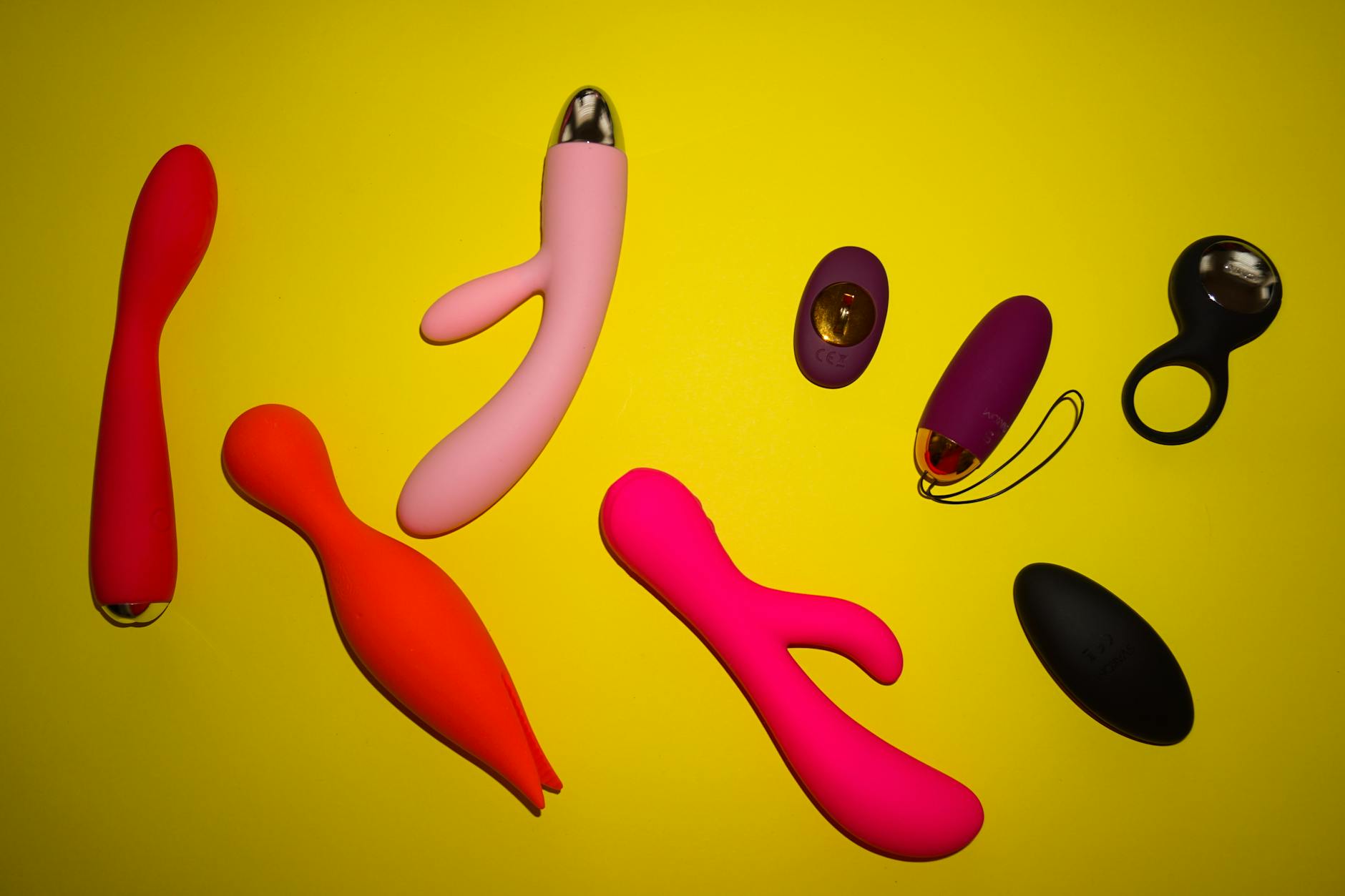
When hormonal suppression flattens desire, your best tool is often direct clitoral stimulation. Here's why. Lemon clitoral vibrators use suction and micro-vibration patterns that bypass the neurological pathways affected by hormones and work directly with nerve density and blood flow.
Research on clitoral vibrators shows they increase genital sensation and ability to orgasm compared to manual stimulation alone. That matters because when your baseline desire is low, you need a more effective tool to tip you toward pleasure. A generic vibrator might not cut it. A focused clitoral vibrator can trigger sensation that feels different enough from your normal experience to actually register as interesting.
I've worked with many clients on birth control who couldn't orgasm during partnered sex, lost interest in masturbation entirely, and felt like their bodies had betrayed them. The moment they started using a quality clitoral vibrator like a Lemon toy with suction, they reported sensations they'd been missing. Not because the vibrator is magic. Because it engages your clitoris more effectively than the methods available to you when desire is suppressed.
Starting with a clitoral vibrator when libido is low
Don't expect yourself to be instantly aroused. Low desire from hormones doesn't vanish when you buy a vibrator. It's still there. But you can build sensation without waiting for desire to catch up.
Start in a low-pressure environment. Not partnered sex. Not even in your bedroom at first if that space feels loaded with expectation. Some clients tell me they use a clitoral vibrator in the shower or bath, where the setting feels nourishing rather than performative.
Begin with lower intensity settings. If you're using a Lemon vibrator or similar clitoral suction toy, start at pattern one. Give yourself 20 to 30 minutes to explore. The goal is not to come. The goal is to rebuild familiarity with pleasure sensations your body might have forgotten.
Many people with suppressed desire report that sensation comes back in layers. First you notice something. Then you notice something more. Then, after a few sessions, actual arousal starts building again. Your brain doesn't flip back to normal overnight. But your clitoris can start remembering what it feels like to be stimulated effectively.
When to reconsider your contraception method
If you've been on hormonal birth control for six months or longer and your libido has tanked, talk to your doctor about switching methods. Not because your current method is bad. Because your sex drive matters.
Your options include non-hormonal IUDs (which don't suppress systemic hormones), barrier methods, fertility tracking, or trying a different hormonal formulation with lower hormone doses. Some people find their desire returns on a different pill. Some find it only returns when they stop hormonal contraception entirely.
This conversation is worth having. And it's not superficial. Desire is part of your health. A contraception method that prevents pregnancy but eliminates your ability to enjoy sex is solving one problem while creating another.
Using lemon vibrators while you're switching methods
If you decide to change contraception, there's usually a gap between stopping one method and starting another, or between methods while you wait for your body to adjust. A clitoral vibrator becomes even more valuable during that transition.
Your desire probably won't instantly return when you switch. Hormone levels take time to restabilize. But using a focused tool like a Lemon clitoral vibrator during that window helps you stay connected to pleasure while your body catches up. You're not waiting passively for desire to return. You're actively exploring sensation.
Many clients tell me that having a reliable way to experience pleasure during a hormonal transition helps them feel less broken and more like they're participating in their own recovery.
The conversation with your partner
If you have a partner, this one's important. Low desire from birth control isn't about them. It's about the medication. Your partner might have internalized it as rejection. You might have internalized it as a personal failure. Both are understandable and neither is true.
Introducing a clitoral vibrator isn't about replacing your partner. It's about rebuilding your own relationship with pleasure, which is separate from your relationship with them. Some couples use it as a partnered tool. Some find that the person with the suppressed desire uses it solo to reconnect with sensation, then brings that restored capacity back into partnered sex.
What matters is naming what's actually happening. "My birth control is affecting my desire" is a different conversation than "I'm just not that sexual." One acknowledges the medication. The other accepts a permanent story that isn't actually true.
Rebuilding pleasure takes time
If hormonal birth control has suppressed your libido, using a Lemon clitoral vibrator isn't a quick fix. It's a tool for rebuilding sensation while you work on the actual root cause, which might be changing your contraception.
But here's what matters. You're not broken. Your body didn't stop wanting pleasure. The hormones in your contraception are temporarily suppressing the signals that create desire. That's a known, documented effect. And it's reversible.
A quality clitoral vibrator helps bridge that gap. It keeps you connected to sensation when desire is flatlined. It reminds you what pleasure feels like. And it gives you something concrete to do while your body and brain work on resetting.
Your sex drive matters. Your pleasure matters. If your current contraception is costing you both, that's worth addressing. And while you do, a focused tool designed for clitoral pleasure can help you stay in your body instead of checking out entirely.
People also ask
Does hormonal birth control permanently kill sex drive?
No. For most people, libido returns when they switch contraception methods or stop hormonal birth control entirely. The suppression is real while you're taking it, but it's not permanent. Some people find their desire returns in weeks. Others take months. Hormonal contraception affects your brain's dopamine and reward systems, but those systems are resilient and recalibrate when the hormone level changes.
Can you use a clitoral vibrator if you're on birth control?
Absolutely. Using a clitoral vibrator while on hormonal birth control doesn't interact with the medication or make it less effective. What it does is provide direct genital stimulation that might feel more pleasurable or effective than manual stimulation when your baseline desire is low. Some people find that using a focused tool like a lemon clitoral vibrator helps them experience pleasure despite hormonal suppression.
How long does it take for libido to come back after stopping birth control?
There's no standard timeline. Some people report noticing increased desire within two to four weeks of stopping. Others take three to six months for hormones to fully restabilize and desire to return to baseline. A lot depends on how long you were on the medication, which type of contraception you used, and your individual hormone sensitivity. Using a clitoral vibrator during this recovery period can help you maintain connection to pleasure while you wait.
Are there birth control methods that don't kill sex drive?
Non-hormonal methods like copper IUDs, barrier methods (condoms, diaphragms), and fertility awareness methods don't suppress systemic hormones, so they're less likely to affect desire. Some people also find that different hormonal formulations work better than others. A lower-dose pill or a different type of hormonal contraception might suppress desire less. It's worth talking to a gynecologist who takes this side effect seriously.
Should I talk to my doctor about low sex drive from birth control?
Yes. Low libido is a real side effect worth addressing with a healthcare provider. It's not something you have to live with, and it's not something to be embarrassed about. Your doctor can discuss whether switching methods makes sense for you, how long you might expect hormone levels to take to rebalance, and whether any other factors might be contributing to your low desire. Having this conversation signals that your sexual health is part of your overall health.
Can using a lemon vibrator help if other vibrators haven't worked?
Many people find clitoral suction vibrators more effective than traditional vibrators when desire is suppressed, because they engage the clitoris through a different mechanism. If you've tried standard vibrators and found them unsatisfying, a lemon clitoral vibrator might deliver more intense or distinctive sensation that actually registers as pleasurable despite hormonal suppression. It's worth trying a different tool before concluding that vibrators just don't work for you.
Next steps
If hormonal birth control has flattened your desire, you have options. Talk to your doctor about whether switching contraception methods makes sense. In the meantime, explore what works for your body using a tool designed to maximize clitoral pleasure. Your sex drive is worth the effort to restore.
Have questions or want support navigating this transition? Reach out to us. We're here to help you rebuild the connection to pleasure that's rightfully yours.