The disconnect is real, but it's not permanent
Nerve damage strips sensation in ways that feel personal. It's not. Diabetes, spinal cord issues, chemotherapy side effects, pelvic surgery, or trauma can all dull or numb the clitoris, which sits on a network of thousands of nerve endings. When those nerves are damaged, the signal from touch to pleasure weakens. Many people assume that means pleasure is gone. It isn't.
What's changed is the loudness of the signal, not its existence. The clitoris still has the capacity to feel, to respond, to create orgasm. You just need to turn up the volume.
Why traditional vibrators often fail with nerve damage
Most vibrators rely on consistent rhythmic stimulation. They hum. They buzz. They ask your nerves to recognize a pattern.
When sensation is reduced or numb, that pattern falls into a dead zone. You feel something vague. Not pleasant, not unpleasant. Just... there. Your brain gets bored. Your body gives up.
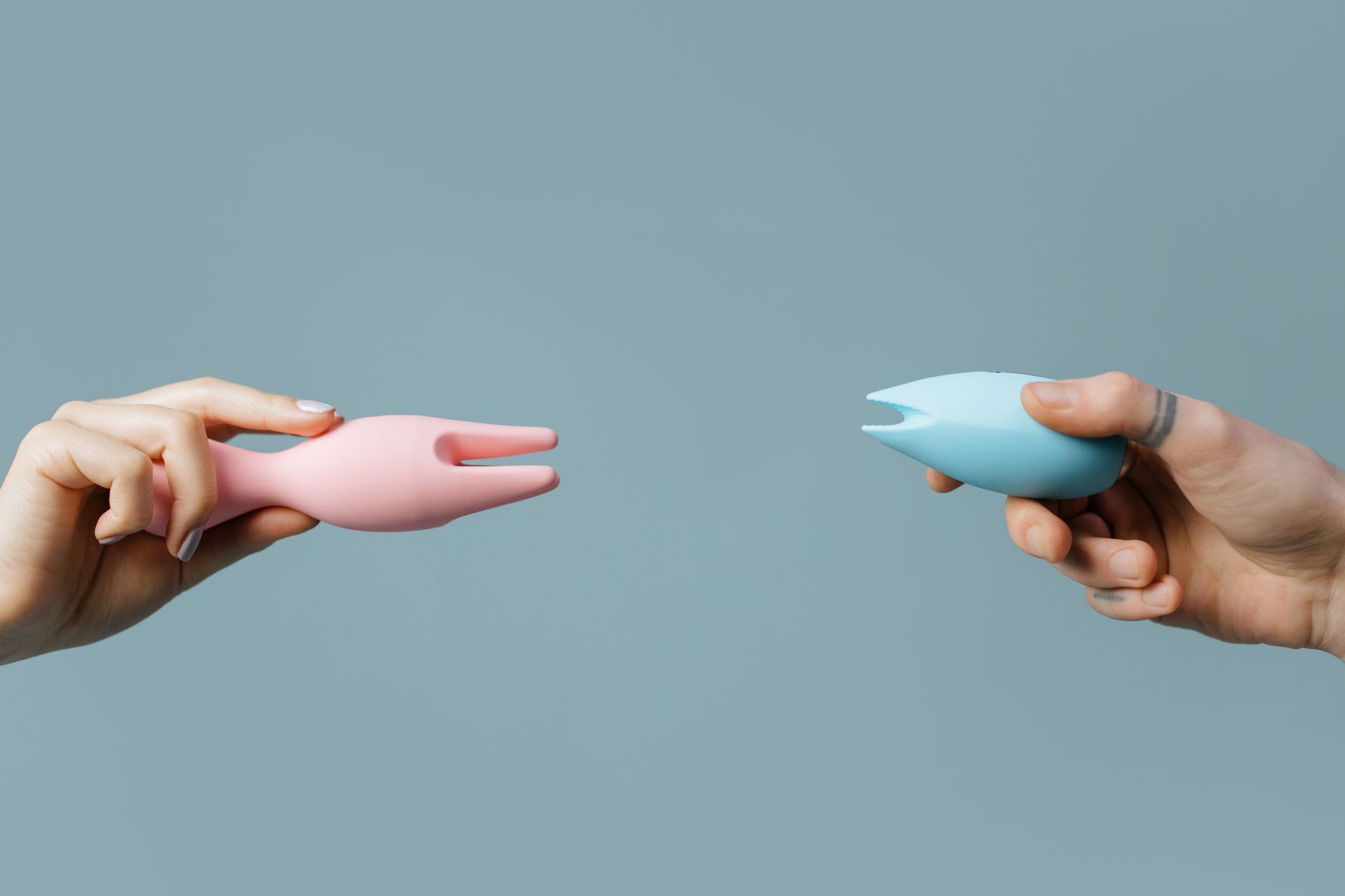
Lemon clitoral vibrators, specifically the suction-based design, work differently. Instead of vibration alone, they use air-pulse technology to create a gentle vacuum sensation. This engages different nerve pathways than vibration. It's less about detecting a tremor and more about pressure changes that your body can recognize even when standard sensation is compromised.
I've worked with clients who went years without feeling much of anything during solo or partnered sex, and within weeks of switching to a lemon clitoral vibrator, sensation returned. Not fully, always. But noticeably.
How to rewire your arousal when sensation is muted
Think of rewiring like retraining a muscle that's been dormant. You're teaching your nervous system to notice again. This takes intention, patience, and the right environment.
Start with long foreplay windows. Twenty to thirty minutes is not excessive. Your body needs time to build arousal without pressure. The more time you spend in the earlier stages (touching yourself, breathing, mentally shifting into pleasure mode), the more blood flows to the clitoris and surrounding tissue, and the more you create conditions where sensation can surface.
Use temperature play. This sounds separate from toy technique, but it's not. If your clitoris feels numb to standard touch, contrast helps. Some clients find that moving between warm water (a bath or shower) and room temperature, or holding an ice cube near (not on) the vulva for a few seconds before warming up again, creates enough neural interest to prime the tissue for stimulation. Temperature changes activate different nerve receptors than pressure alone.
Layer multiple sensations. Don't rely on the lemon vibrator alone. Use a fingers or a partner's touch on nearby areas. Touch your breasts. Breathe intentionally. Play music that moves you. Engage your fantasy or memory. The more sensory channels you activate simultaneously, the more your brain has to work with, and the more likely pleasure registers.
The Lemon Vibrator technique for reduced sensation
Once you're warmed up and ready, here's how to use a lemon clitoral vibrator when sensation is compromised.
Start at high intensity immediately. This is the opposite of standard guidance. With reduced sensation, you need more volume to reach the threshold where you can feel it. Begin at pattern intensity 4 or 5 on the Lem (the highest settings). Low settings often won't register at all. Skip the exploration phase and go to what your damaged nerves can actually perceive.
Use the cup fully. The suction cup creates the sensation. Make sure you have full seal contact. Some people hover the vibrator near the clitoris to "ease in." That doesn't work here. Place the cup directly over the clitoris so the vacuum is complete. The air pulse won't register if the seal is broken.
Don't move it around constantly. Let the vacuum work. Hold the vibrator in one position for at least 30 to 60 seconds. Your nervous system needs time to recognize and respond to the pressure change. Constantly shifting the angle or placement interrupts the signal chain.
Focus on micro-movements. Once you've settled the cup, tiny angle adjustments can change which part of the clitoris receives pressure. Small shifts often create more sensation variation than large movements do. Explore what 1-centimeter changes feel like.
Extend sessions intentionally. Fifteen-minute sessions might build arousal faster than five-minute ones. Nerves that have been dormant sometimes wake up gradually. The longer you stay engaged, the more chance sensation has to cascade. Many clients report that their strongest sensations come in minutes eight through twelve, not the first few minutes.
When sensation starts returning, what to expect
Rewaking damaged nerves is not linear. You might feel nothing for three sessions, then sudden awareness in session four. You might feel tingling (sometimes uncomfortable) before pleasure registers. You might experience phantom sensations or strange textures that fade over time.
All of this is normal. Your nervous system is learning to talk to your clitoris again. That's a process, not a switch.
You might also notice that different patterns feel different than they used to. A setting that felt intense before might feel gentle now, or vice versa. Pay attention to these changes. They're data. Your body is communicating what it needs.
The mindset piece (which is half the work)
Here's what I see most often: people approach rewaking sensation with dread. They expect failure. They've spent months or years feeling numb, and they've built a story around that numbness being permanent.
Change that narrative first. Your nervous system responds to your expectations. If you're convinced sensation won't return, your attention narrows. You feel disappointment instead of the small tingle that was actually there. If you approach sessions with curiosity ("What will I notice this time?") instead of desperation ("Will this finally work?"), you activate different mental pathways that actually enhance sensation.
I recommend three separate sessions per week over a four-week period before deciding if the approach is working. Consistency matters more than intensity. Your nervous system remembers routine.
If you have a partner, involve them. Let them know what you're doing and why. Sometimes the presence of someone you trust nearby (even if they're not directly involved) creates enough emotional safety that your nervous system downregulates its defenses and allows sensation in. Pleasure is not purely physical.
When to add support
Nerve damage sometimes requires professional intervention. If sensation doesn't improve after consistent practice over eight weeks, talk to your doctor. Physical therapy specializing in pelvic health can help. Some people benefit from topical treatments (like lidocaine cream in very low doses) that temporarily reduce pain without numbing pleasure pathways. Others find that treating underlying conditions (like improving blood sugar control in diabetes) naturally restores some sensation.
The lemon clitoral vibrator is a tool, not a cure. But it's often the tool that makes rewaking sensation possible in the first place.
The possibility is real
I've sat across from people who spent years believing their clitoris was broken. Months later, they're experiencing orgasms they thought were gone. The pathway was always there. They just needed to turn up the volume.
That's available to you too. Your nerve damage is real. Your numbness is real. And so is the possibility that sensation can return. Start with intention. Be patient. Stay curious. The lemon clitoral vibrator, used consistently and strategically, can be the bridge back to pleasure.