Vaginismus is an involuntary tightening of the pelvic floor muscles that happens in response to vaginal penetration, real or imagined. It's not psychological weakness. It's not "all in your head." It's a real muscular response, often rooted in pain history, sexual trauma, anxiety, or even just the anticipatory fear of pain.
Here's what matters for pleasure: vaginismus doesn't affect your clitoris, your capacity for arousal, or your ability to have powerful orgasms. It only restricts penetration. And if penetration isn't on the table, that's not a limitation on pleasure. That's just reframing what pleasure looks like for you.
Most sexual narratives center penetration as the main event. For people with vaginismus, that framing becomes a trap. You're told your body is broken because it won't do one specific thing, while ignoring that your clitoris still works beautifully.
The clitoris has 8,000 nerve endings. Your pelvic floor tension doesn't touch them. And clitoral orgasms, when you're not stressed about penetration, can be some of the most intense, reliable pleasure you'll ever experience. The research is clear: clitoral stimulation produces stronger, longer-lasting orgasms for most people with vulvas, vaginismus or not.
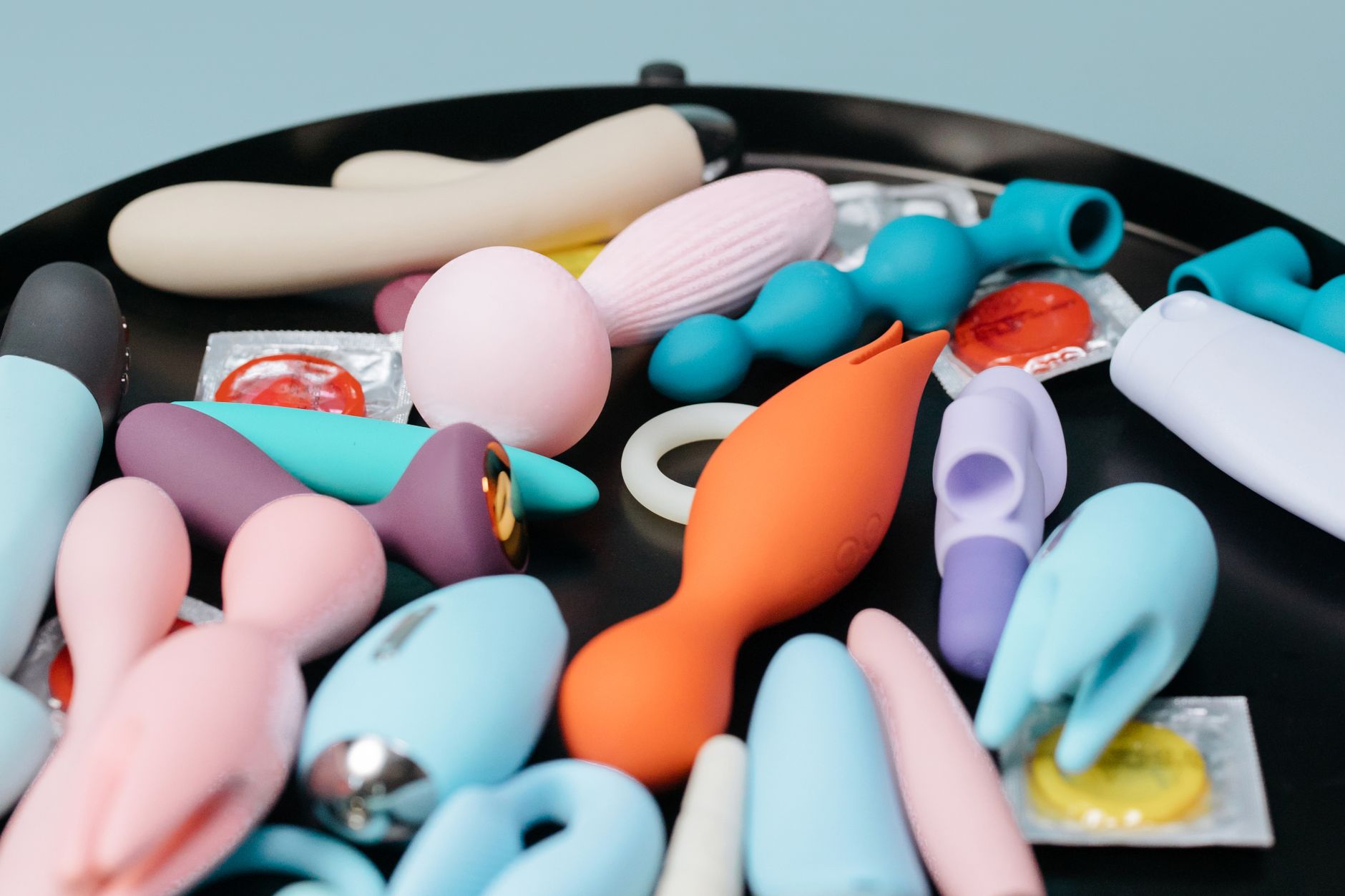
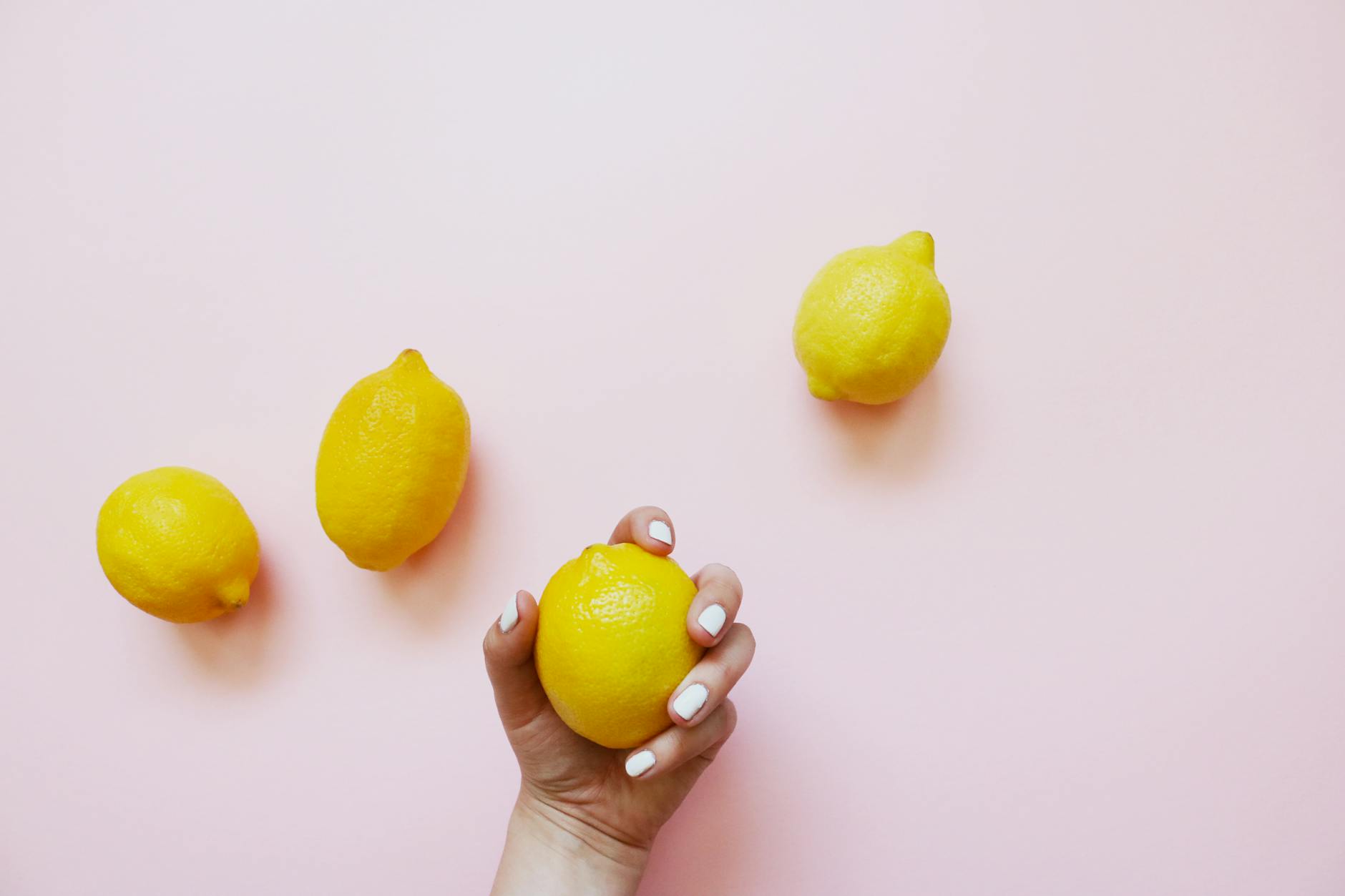
Clitoral suction tools like Hello Nancy's lemon vibrators are built for external stimulation only. There's no penetration involved, no insertion, no pressure on the vaginal opening. That means zero trigger points for your pelvic floor. Your body stays relaxed.
Second, suction stimulation feels fundamentally different from vibration. It creates rhythmic pressure that mimics oral sex, which activates different nerve pathways than direct friction. For people with sensitive or anxious pelvic floors, suction often feels more soothing and less jarring than traditional vibrators.
Third, the intensity is controllable. You're not forcing your body into anything. You start at pattern 1, you stay there for as long as you want, you build arousal on your own timeline. That sense of control is critical when your nervous system has learned that penetration equals pain.
First: go slower than you think you need to. If you're used to partnered sex that centers penetration, you might assume clitoral stimulation needs to be quick and intense to "count." It doesn't. Arousal takes time, especially when your nervous system is protecting you. Build for 20 to 30 minutes if you have it. Your body will tell you when intensity feels right.
Second: external only, always. The whole point is that your clitoris is the destination, not a warm-up for something else. There's no "graduation" to penetration, no timeline where you "move on" to vaginal play. You're not broken if partnered penetration never happens. You're successful if you have pleasure.
Third: lubrication is your friend. Even though you're not penetrating, a small amount of water-based lube on your vulva makes suction feel smoother and more comfortable. Your nervous system will relax faster when everything feels easy, not friction-y.
Start with the lemon vibrator at the lowest setting (pattern 1 or 2). Place it directly on your clitoris or just above it, wherever the sensation feels pleasant. Let your body dictate how long you stay there. If your mind drifts to anxiety, that's normal. Breathe, return your attention to sensation, no judgment.
If you have a partner, this is where things get interesting. Many couples assume vaginismus means their partnered sex life is over. It's not. It's just different.
You can use a lemon vibrator together. Your partner can hold it, explore different patterns with you, watch your response, feel what brings you closer to orgasm. This reframes sex from "will penetration work" to "what actually feels good to both of us." That shift in conversation is life-changing.
Some partners find this more intimate than penetration ever was. You're communicating continuously. There's no performance pressure. Your partner gets to see you experience real pleasure, which often deepens their own satisfaction.
If your partner needs penetration to feel satisfied, that's a separate conversation from your pleasure. You might decide to use fingers or a toy for their stimulation while you focus on external pleasure. You might take turns with different kinds of touch. You might decide that penetration happens sometimes and sometimes it doesn't. Those are all valid.
If vaginismus is new and tied to a specific trauma or medical event, a pelvic floor physical therapist trained in trauma-informed care can help immensely. They can teach you relaxation techniques, help you distinguish between protective tension and voluntary contraction, and gradually build your confidence.
If anxiety is driving the vaginismus, a sex therapist who understands the neuroscience of trauma can help you rewire the fear response. This isn't about forcing yourself to relax. It's about slowly convincing your nervous system that penetration isn't dangerous.
If your partner is struggling with the shift away from penetration-focused sex, couples therapy helps. A good therapist can reframe pleasure as bigger than one specific act and help you both grieve any sexual scripts you thought would happen, then build something new together.
Vaginismus tells you that your body needs a different approach to pleasure. That's not a loss. That's information. Once you stop fighting against what feels painful and start leaning into what actually works, orgasms often become more frequent, more intense, and more reliable than they ever were before.
A lemon vibrator is a tool for that reframing. It's saying: your pleasure is valid exactly as it is. Your clitoris is enough. Your body's boundaries are wisdom, not failure.
Can I use a lemon vibrator if I've never had any sexual stimulation before?
Yes, absolutely. In fact, starting with external clitoral suction before any other kind of touch can be helpful for people with vaginismus. You're learning your body's response in the safest possible way. No pressure, no penetration, no expectation that this leads to anything else. Many people find their first orgasm comes from clitoral suction alone, which is powerful information about what your body can do.
Will using a lemon vibrator make my vaginismus worse?
No. Since a lemon vibrator is external only, it doesn't trigger the pelvic floor response that defines vaginismus. If anything, experiencing reliable pleasure and orgasm can lower overall anxiety and help your nervous system relax. That sometimes makes future penetration attempts feel less threatening, though again, there's no obligation to ever try penetration.
What if my partner wants penetration but I have vaginismus?
That's a values conversation, not a pleasure conversation. You and your partner need to talk separately from the bedroom: what does penetration mean to them, what does it trigger for you, are there other ways to meet that need, how much compromise feels fair. A couples therapist who specializes in sexual dysfunction can help. But the bottom line is your bodily autonomy. Forcing penetration when you have vaginismus is painful and retraumatizing. Your body's boundary is valid.
How long does it take for vaginismus to improve?
It depends on the root cause and whether you're getting professional support. Some people see improvement in weeks. Others take months or years. The good news is you don't have to wait for vaginismus to improve before you have pleasure. You can experience powerful, consistent orgasms with a lemon vibrator right now, regardless of where your pelvic floor is at.
Can I use a lemon vibrator during a time when I'm actively working on vaginismus treatment?
Yes. In fact, many pelvic floor physical therapists recommend it alongside desensitization exercises. Clitoral stimulation and orgasm actually help pelvic floor muscles relax through the neurochemistry of pleasure. Using a lemon vibrator while you're doing physical therapy can accelerate progress and give you positive association with sexual touch.
What if I have pain during clitoral suction, not just with penetration?
Stop, breathe, and check in with sensation. Pain during clitoral stimulation can mean a few things: your nervous system isn't ready yet (in which case shorter sessions, lower intensity, and more time help), your clitoris is hypersensitive (more lube, less direct contact, different pattern), or there's an underlying condition like vulvodynia. If pain persists, see a pelvic health specialist. But many people find that starting very gently with a lemon vibrator and building arousal slowly gradually increases comfort.
Vaginismus is a real condition with real solutions. It doesn't mean your sexual life is over. It means your sexual life needs to be redesigned around what actually works for your body. A lemon vibrator is one tool that can help you experience intense, consistent pleasure without triggering pain. Your pleasure matters. Your boundaries matter. And clitoral suction is a path to both.
If you're ready to explore what's possible, start slowly, use lube, and remember that there's no timeline or performance standard here. Your body knows what it needs. A lemon vibrator just helps you listen to it.