Here's the thing about toys and togetherness
Most conversations about bringing vibrators into partnered sex treat it like a fix for a broken system. The subtext is always: something's wrong with how we're connecting, so we're adding a toy. That's backward. The real use case is simpler. A Lemon vibrator isn't a patch. It's a communication tool. It says to your partner: this is what I need to feel good, and I want you here while I experience it.
That shift in framing changes everything.
I've worked with hundreds of couples where one partner wanted to introduce a clitoral vibrator and the other person felt threatened, dismissed, or suddenly inadequate. The toy didn't cause that reaction. The assumption did. When you reframe it as "I want us both to understand my pleasure better," the dynamic inverts. You're not replacing anything. You're inviting them in.
Why Lemon vibrators specifically work for couples
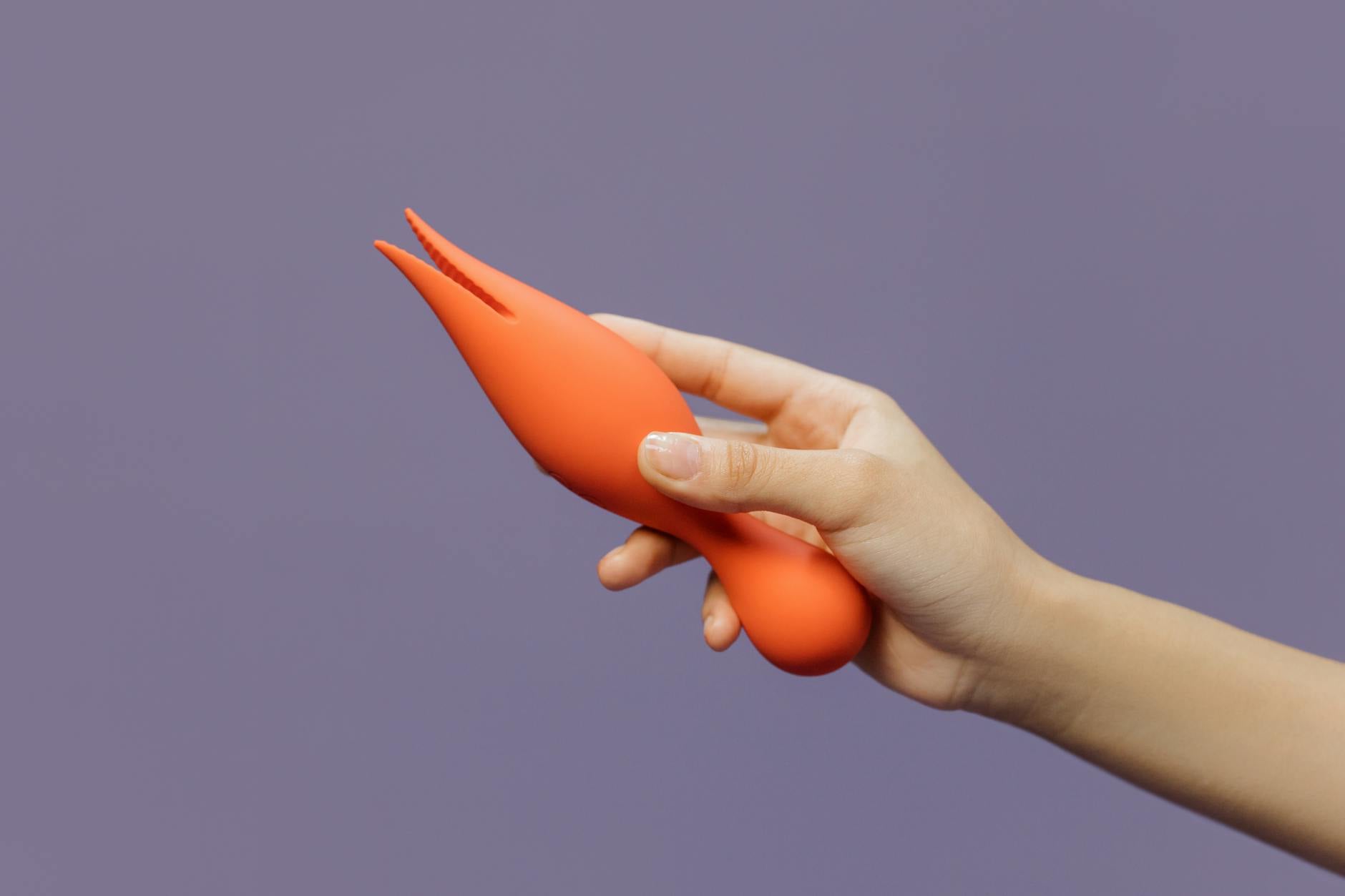
Lemon clitoral vibrators have a specific design advantage for partnered play. The Lem, for instance, uses air-suction technology rather than vibration alone. That matters because it creates a sensation that's distinct from penetration and from finger or mouth stimulation. It's not better than those things. It's different. And that difference is actually what builds intimacy because it's something you discover together.
When you're both new to how a clitoral vibrator feels, you're both learners. That removes the power imbalance that sometimes sneaks into partnered sex. Nobody's an expert. You're exploring.
The other advantage is control. A Lemon vibrator with adjustable intensity lets you find what works in the moment. That matters because arousal isn't constant. Some days you need less, some days more. Communicating that to a partner is vulnerable. But doing it together, with a tool that responds, makes it feel like a conversation instead of a complaint.
The setup conversation (before the bedroom)
This is where most couples stumble. They skip it, hoping the toy speaks for itself. It never does.
Have this talk sitting down, clothed, not during sex. The script I give my clients is simple:
"I want to try a clitoral vibrator because I want to understand my own pleasure better. I'd like you here while I explore it. Not because anything's wrong with us, but because I want you to be part of knowing me like this."
Then pause. Let them ask questions. The most common ones:
"Does that mean I'm not enough?" No. It means your hands and mouth are incredible, and so is this. Different tools, same desire.
"Will you always need it?" Honestly, probably not every time. Sometimes yes. That's the beautiful part of having options.
"Should I feel weird about watching?" Some people do at first. That's normal. It usually passes after one or two times because you realize you're not watching a performance. You're watching someone you love experience something good.
If your partner is resistant, don't push. But do ask why. Sometimes it's not about the toy. It's about feeling left out of the pleasure-building conversation. That's worth unpacking.
First time in actual play: keep it low pressure
Don't save the toy for the grand finale. Bring it in during foreplay. This feels counterintuitive but it works because it removes the stakes. You're not riding on this to make the experience "work."
Start with something simple: they're touching you elsewhere while you use the Lemon on yourself. That gives them something to do (they're not just watching), and it lets you focus on what feels good. After a few minutes, switch. You can touch them or just be present.
The goal isn't orgasm. It's familiarity. Get comfortable with how it feels, how it sounds, where it sits against your body. That comfort is what carries into deeper connection later.
If you're nervous, name it. "I'm a little self-conscious, but I want to try this together" is so much better than white-knuckling your way through it.
Building actual intimacy with it
This is where Lemon vibrators become something different. Once the initial awkwardness fades, you can use them to create a specific kind of intimacy.
Try this: you're using the vibrator on yourself while your partner is inside you (if that works for your bodies and preferences). Or they're holding it for you, which sounds simple but creates a moment of real collaboration. They're watching your face for what feels good. They're adjusting pressure or speed based on your breath. That's attention. That's presence.
Another version: you use it on them. Learning what makes your partner's body respond, at what angle and pressure. It's intimate in a way that feels different from penetration because you're focused entirely on sensation, not on anything else.
The key to all of this is communication while it's happening. "A little slower," "right there," "let me try." None of that kills the mood. It actually deepens it because you're talking about pleasure explicitly.
Many couples I've worked with say that introducing a clitoral vibrator actually improved their nonsexual intimacy too. When you practice being vulnerable about what you need physically, it's easier to be vulnerable about other things.
What kills the connection (and how to avoid it)
Four things I see go wrong:
Turning it into a performance. If either of you is focused on "making this work" rather than just experiencing it, that tension will show. Sex isn't a test you pass.
Bringing shame into the conversation. If you're using the toy to criticize a partner or yourself ("Obviously you're not enough"), that's going to poison the whole thing. Lemon vibrators are an addition, not a referendum.
Skipping the aftercare talk. After sex with a new element, spend five minutes talking about it. Did you like that? What did you feel? What do you want to do differently next time? This prevents resentment from building.
Using it as a substitute for other touch. Sometimes couples bring in a vibrator because they've stopped touching each other otherwise. The toy isn't the fix for that. Rebuilding physical affection overall is.
When it's time to go deeper
Once you're both comfortable with the basics, you can explore other patterns. Some partners like to use a Lemon vibrator during penetration. Some like it to be the main event while they're touching you elsewhere. Some prefer it solo while their partner is just present.
You might find that you want vibration sometimes and suction other times, depending on what your nervous system needs. That's fine. That's why having tools that let you control intensity matters.
The beauty of lemon clitoral vibrators for couples is that they don't demand a specific role. You can pass them back and forth. You can use them simultaneously on each other. You can integrate them into whatever works for your bodies.
One thing: if you've been struggling with sensation or arousal, using a vibrator with a partner can actually help you rebuild connection to your own pleasure. Because now you're not alone with it. Shared learning is powerful.
The deeper conversation underneath
Here's what I tell couples in my practice. The toy is just an object. What matters is what it represents. It represents a willingness to explore together. It means you're not pretending sex is something it's not. It means you're actually talking about desire instead of hoping your partner reads your mind.
If you use a Lemon vibrator with a partner and all that happens is you have better orgasms, that's great. But sometimes what happens is deeper. You realize you can be this explicit about what you need. You realize your partner wants to help you feel good more than they want to protect their ego. That changes the foundation of what sex becomes.
Bring the toy in when you're both ready. Have the conversation first. Expect it to feel a little awkward at first, and then expect that to fade. And remember that this isn't about replacing anything. It's about expanding what's possible when two people actually communicate about pleasure.
People also ask
How do I introduce a Lemon vibrator to my partner without them feeling insecure?
Start with the conversation outside the bedroom, using language that frames this as something you want to explore together, not something you need because they're inadequate. Say something like "I'd like to try this because I want to know myself better, and I want you here." Then listen. If they have concerns, address them directly. Most insecurity fades once they see that you're still interested in their touch and presence alongside the toy.
Can we use a clitoral vibrator during penetration?
Absolutely. The clitoris and vagina are separate pleasure centers, so stimulating both simultaneously can create a more intense sensation. You might want to experiment with different angles and positions to see what feels good. Some people prefer lemon suction-style vibrators during penetration because the sensation is different from just vibration.
What if my partner wants to use a Lemon vibrator on me but I'm embarrassed?
Embarrassment usually fades the moment you start. Your partner isn't judging. They're probably curious about what makes you feel good. Start with lower intensity, less eye contact if that helps, and focus on sensation rather than how you look. Most people find that once they're in the pleasure part, the self-consciousness disappears.
How often should we use a vibrator during partnered sex?
There's no right answer. Some couples use one every time. Others use it occasionally. What matters is that you both want to. If one person always wants it and the other resents it, that's a compatibility issue worth discussing. The vibrator isn't the problem in that case. The mismatch is.
Does using a lemon clitoral vibrator mean we're doing something wrong?
Not even close. It means you're being intentional about pleasure. You're exploring. You're trying to understand what feels good. That's the opposite of doing something wrong. The only way you can do this "wrong" is if you're using it to avoid intimacy or to punish a partner. If you're using it to deepen connection, you're doing it right.
What if a Lemon vibrator doesn't feel good to us?
Then you stop using it. Toys aren't one-size-fits-all. Different bodies respond to different sensations. If suction doesn't work, try vibration. If you prefer something gentler, explore options designed for sensitive stimulation. The goal is pleasure, not forcing yourself to like something because it's trendy.
The bottom line
Lemon vibrators work best in couples when they're part of a larger conversation about desire, attention, and vulnerability. The toy itself is just plastic or silicone. What matters is what it represents. You're saying to your partner: I trust you enough to let you see what I need. I want you to be part of knowing me this way. That's intimacy. Everything else is just the vehicle for it.