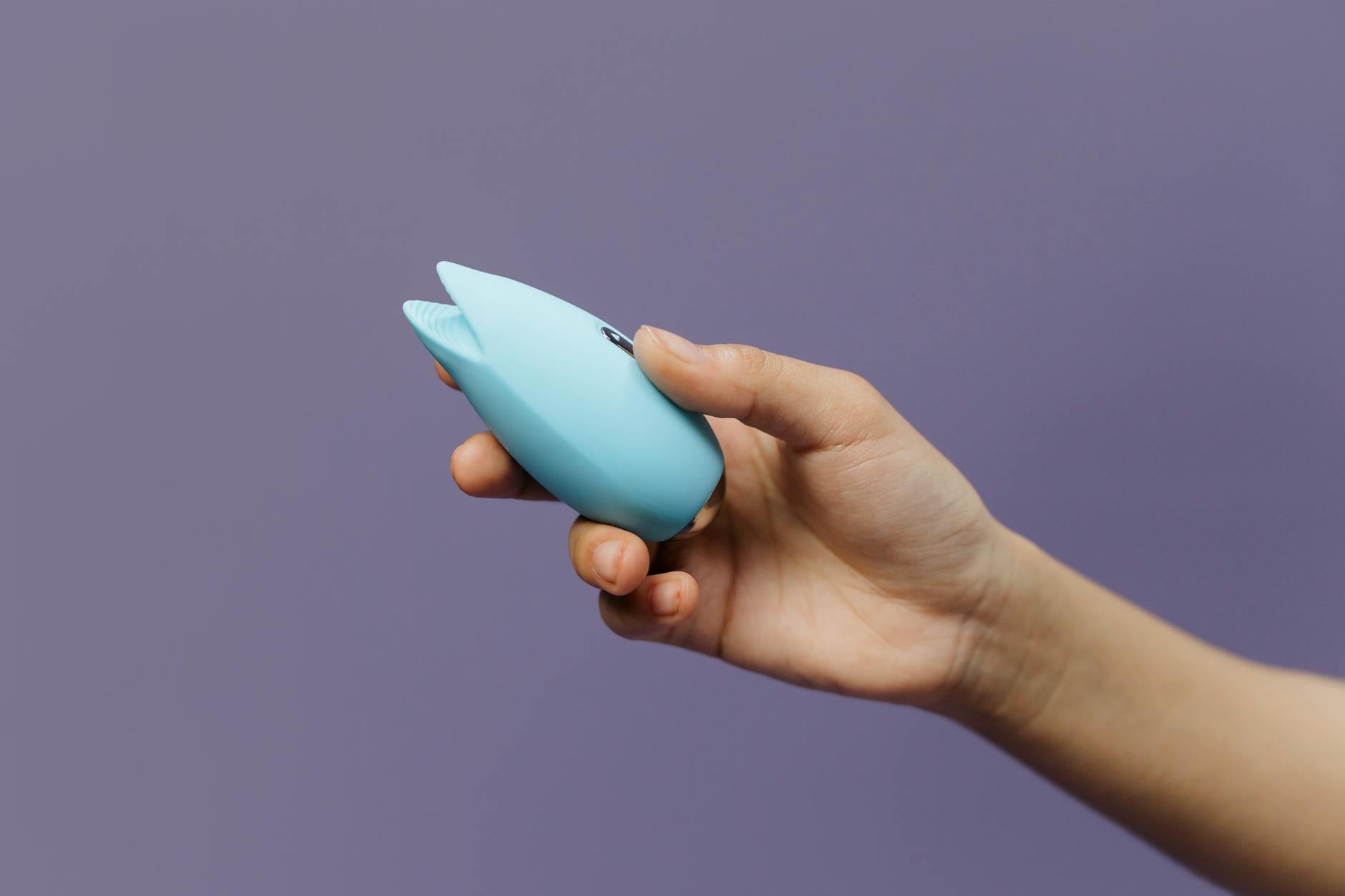
Here's the thing about rushing
We've been conditioned to think pleasure is a sprint. Get aroused, reach climax, done. But that framing misses something crucial: the nervous system doesn't actually work that way, and when you try to force it to, you're working against your own biology instead of with it. Slow-building pleasure isn't less intense—it's often more intense because it recruits more of your body's capacity for sensation. This is where lemon vibrators excel. They're engineered for sustained stimulation, which means you can spend 20, 40, even 60 minutes exploring without fatigue or overstimulation.
Let me be direct: if you've only experienced quick orgasms, you're probably not aware of what you're missing.
Why gradual arousal changes everything
Your body has two primary nervous system states. The sympathetic system is "fight or flight"—it's fast, alert, reactive. The parasympathetic system is "rest and digest"—it's calm, curious, exploratory. Most rushed sex lives happen entirely in sympathetic overdrive. You're in your head, checking the clock, worried about performance. Your pelvic floor is tensed. Your breathing is shallow.
Gradual pleasure flips that. When you commit to 30+ minutes of slow stimulation, something shifts neurologically. Your body downregulates. Your breathing deepens. You stop performing and start receiving. The clitoris swells progressively, which means sensitivity actually increases over time rather than plateauing. This is measurable—blood flow to genital tissue increases incrementally when arousal builds gradually versus spiking and then crashing.
Lemon clitoral vibrators support this because their sensation profiles work across multiple intensities without the jar of suddenly ramping up. You're not choosing between "barely noticeable" and "overwhelming." You're choosing from a graduated range.
Setting the pace: the first 10 minutes
Start with zero expectation of outcome. I know that sounds like a meditation cliché, but it's actually neurologically necessary. The moment you're thinking "I need to come in 15 minutes," you've activated the sympathetic nervous system. Set a timer for 30 minutes and commit to exploring sensation, nothing more.
Begin with your body clothed or partially clothed. Use a lemon vibrator over fabric—the sensation is muffled, less intense, which is the point. Start at pattern 1 or 2 (if your Lem has multiple settings). This isn't meant to feel amazing yet. It's meant to wake up the nerve endings and send a signal to your nervous system: "Hey, something's happening, and it's fine."
Focus on breathing. Inhale for four counts, exhale for six. This activates the parasympathetic nervous system directly. Most people breathe shallowly during sex and wonder why they feel rushed. Breath is leverage.
Minutes 10-20: Undressing and deepening
Remove layers slowly. Touching your own skin matters here—run your hands over your thighs, belly, breasts. This isn't foreplay in the traditional sense. It's reminding your nervous system that pleasure exists across your whole body, not just in one spot.
Now move the vibrator directly to skin. At this point, you might still be on a lower intensity setting. The goal is to build sensation without overwhelming it. Some people find that lemon suction vibrators work beautifully at this stage because the sensation is novel—it's not the buzz you've felt before. It's a rhythmic pulse that feels like sustained pressure rather than rapid vibration.
Notice what's happening in your body. Are you tensing your thighs? That's normal. Can you consciously soften them? Try it. Notice if your pelvic floor is clenched. A kegel is exactly the opposite of what you want right now. Relax it. This is hard—I won't pretend it isn't—but it's trainable.
Minutes 20-40: Intensity variation
Here's where the architecture of gradual pleasure gets interesting. Instead of steadily climbing to maximum intensity, you're going to vary. Spend 5 minutes at pattern 2. Then drop to pattern 1 for 3 minutes. Back to pattern 2. Maybe try pattern 3 for a minute, then retreat. This isn't random. It's teaching your body that sensation can modulate, that pleasure doesn't require constant escalation.
This variation also delays orgasm in a good way. When you're varying intensity, your body doesn't lock into a single trajectory. You can stay in this exploratory phase for as long as you want. Many people who practice this find they can stay aroused for 30-60 minutes without climaxing, which sounds like torture until you experience it. It's not. It's sensory richness.
If your mind wanders—and it will—that's fine. Notice it and return attention to sensation. Where does your body feel the strongest response? Is it at the top of the clitoris or the side? Does pattern 1 feel better than pattern 3, or is it context-dependent? These observations aren't clinical. They're intimate knowledge of your own body.
Minutes 40+: Commitment to completion (or not)
By this point, you've been engaged with sensation for 40+ minutes. Your clitoris is fully engorged. Your breathing is deep. Your nervous system is regulated but activated. Orgasm, when it comes, feels different than it did in your 20-minute version. It often feels deeper, less like a release and more like a wave.
Here's what matters: you get to decide if you want to chase climax or just stay here. Some days you'll want to push to orgasm. Other days you'll want to exist in this state of high arousal without the endpoint. Both are valid. Both are pleasure. Lemon sexual toys excel at this because they sustain sensation without requiring effort—you're not gripping a toy or managing angles. You can just be present with what you're feeling.
If you do want to finish, this is where you can increase intensity. Your body has built tolerance—what felt overwhelming at minute 10 now feels approachable. You can go higher without shock.
Why this matters in partnered sex too
If you practice gradual pleasure solo, something shifts in how you approach partnered sex. You're no longer willing to be rushed. You know your body's capacity. You can communicate what you need: "I want us to spend 20 minutes just touching before anything else." Partners who've never experienced this often push back initially. But couples who adopt it report their sex lives fundamentally change. It's not that orgasms are better. It's that the whole experience feels less transactional.
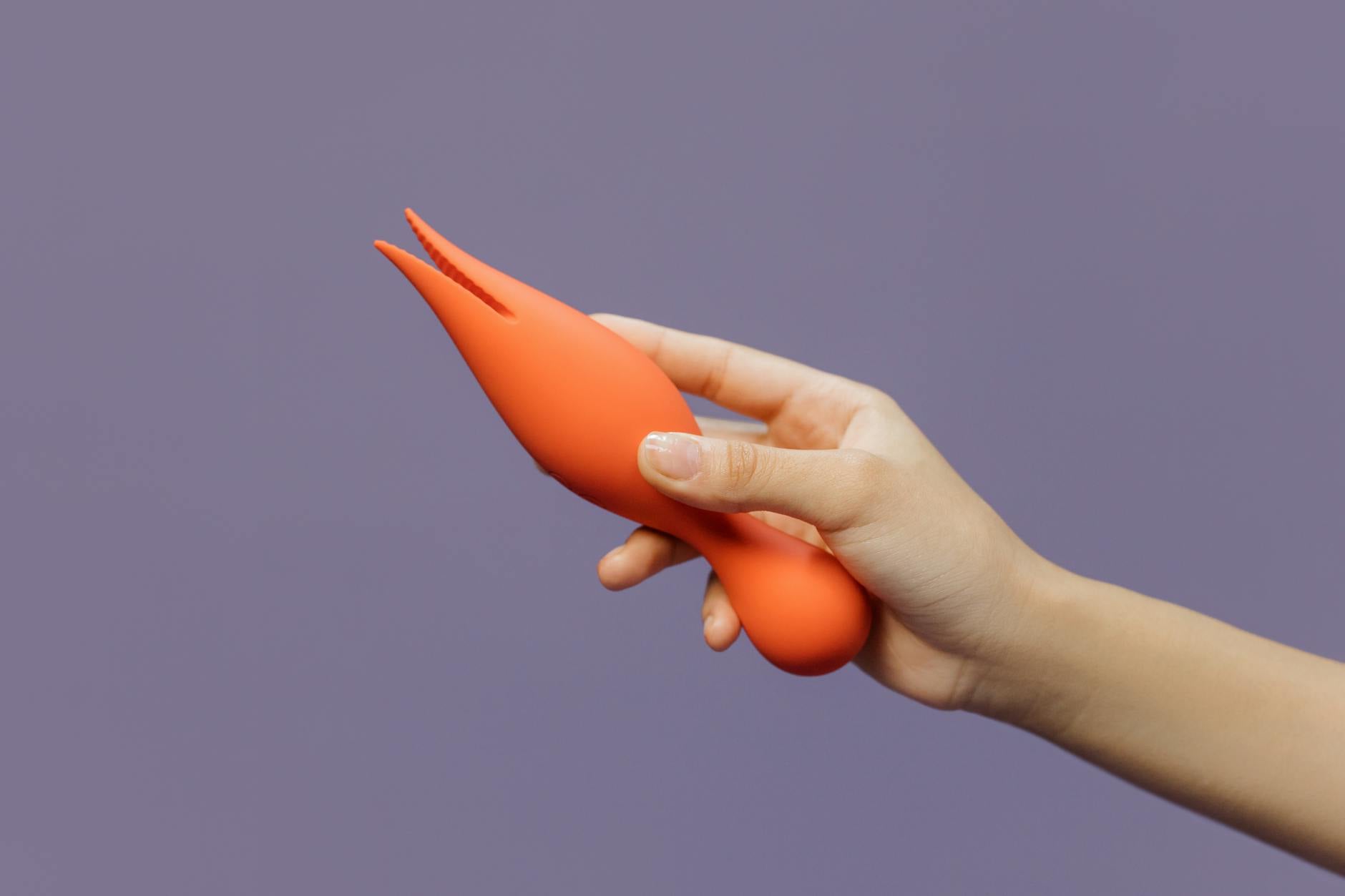
Photo by cottonbro studio on Pexels
The role of lemon vibrators in this
Why specifically lemon clitoral vibrators? A few reasons. First, their sensation profile rewards patience. Early-stage arousal is subtle. Generic vibrators with one intense setting don't match that. Lemon toys offer graduated intensity that mirrors your body's actual arousal curve. Second, they're quiet and reliable, which means you're not managing mechanics—you're just feeling. Third, they support extended sessions without hand fatigue or overstimulation.
If you're new to this, start with a lemon clitoral vibrator on setting 1 and genuinely commit to 30 minutes. Don't check the time. Don't goal-seek. Just notice what your body discovers when you give it permission to take its time.
Common friction points
"Won't I get bored spending that long?" Probably not. Boredom is usually a sign you're not present—you're thinking about other stuff. If that's happening, you might need a longer warm-up or less environmental distraction. Lock the door. Turn off your phone. Make it official.
"What if I still don't come?" Then you've spent 40 minutes in a state of deep arousal, which your nervous system needed whether or not it resulted in orgasm. That's not failure. That's regulation.
"Is this weird for my partner?" Only if you frame it as weird. If you say, "I want us to slow down because I feel more connected that way," most partners respond well. Some initially resistant partners change their minds after experiencing it.
"How often should I practice this?" As often as it feels good. Some people do it weekly. Others a few times monthly. The goal isn't frequency. It's rewiring your nervous system's relationship with pleasure, so let frequency emerge naturally.
FAQs
How long does it take for my body to adjust to gradual pleasure?
Most people notice a difference in 2-3 sessions. You might feel a genuine rewiring—deeper arousal, better sensitivity—within 2-4 weeks of consistent practice. Your nervous system learns that slow is safe and that extended arousal is possible. That learning happens faster than you'd expect.
Can I combine lemon vibrators with other toys for slow-building pleasure?
Yes. Some people use a quiet external vibrator for the first 20 minutes and then switch to a lemon clitoral vibrator for layered sensation. The key is not jumping intensity too aggressively. Introduce new sensations gradually.
What if my clitoris gets too sensitive during a long session?
That's a signal to drop intensity or take a 2-minute break. Sensitivity increase is normal and good, but there's a threshold where it becomes overstimulation. You learn to recognize yours through practice. Most people find that taking a brief pause and then returning at a lower setting extends their session productively.
Does this work if I have difficulty reaching orgasm?
Often, yes. Some difficulty reaching orgasm stems from rushing or sympathetic activation. When you lengthen the timeline and relax the nervous system, orgasm sometimes becomes more accessible. If you have medication-related or psychological factors affecting climax, this technique complements other approaches but won't replace them.
Can partners do this together, or is it just for solo play?
Definitely together. One partner can use a lemon vibrator while the other provides manual stimulation, or you can use toys in combination on each other's bodies. The principles remain the same: sustained stimulation, graduated intensity, patience.
What's the difference between gradual arousal and edging?
Edging is deliberately bringing yourself to the brink and retreating repeatedly. Gradual arousal is exploring sensation without a climax end-goal. They can overlap, but gradual arousal is broader—it's about rewiring your whole nervous system, not just mastering orgasm control.
The bottom line
If you've spent years chasing quick pleasure, slow-building sensation might feel foreign at first. Give it genuine time. Your nervous system needs permission to downregulate, and your clitoris needs time to fully respond. Lemon sexual toys are built for this—they support sustained sensation without forcing escalation. The pleasure you discover when you stop rushing often turns out to be the pleasure you've been looking for all along. If you have questions about how to structure these sessions or want personalized guidance, reach out to our team.