
How to Use Lemon Vibrators When Your Partner Seems Uninterested in Your Pleasure
Let's name the thing nobody wants to say
You're having sex with someone who doesn't seem to care whether you finish. They finish, or they get tired, and the session ends. Your orgasm is optional. Their pleasure is the target. And you're exhausted from being the only person in the room monitoring whether your body gets what it needs.
This is wildly common, and it's also wildly fixable. But the fix doesn't start with communication (though that matters). It starts with you reclaiming the fact that your pleasure is non-negotiable, with or without their participation.
Why this happens (and it's rarely malice)
Most people don't withhold pleasure out of cruelty. They're often just working from bad information. They assume that if they're having sex, you're satisfied. They don't understand that orgasm requires intentional focus for many bodies. They think effort means they've done their job. Or they're anxious about performance and shut down the moment things feel unpredictable.
What matters less than their reason is this: your body doesn't get a vote in their learning curve. You've already spent enough energy being understanding. Lemon vibrators exist partly because partners often can't or won't provide the specific, consistent stimulation that brings you to orgasm.
That's not a flaw in you. That's just anatomy and attention meeting reality.
The first move. Using a lemon vibrator to remember what you actually need
Before you use a clitoral vibrator with your partner in the room, use one alone. This sounds basic, but I'm not exaggerating when I say this resets everything.
When you're solo, you get to learn exactly what pattern, speed, pressure, and duration your body responds to. You get to say no to something that feels off. You get to change your mind mid-session. You're not managing anyone else's feelings or pace or ego. You're just you and sensation.
Most people who've been in long-term partnerships where their pleasure got sidelined have lost track of what they actually like. They've defaulted to what's easy for the other person. A lemon clitoral vibrator in private is how you remember. Spend at least three solo sessions—ideally more—mapping what works. Write it down if it helps. Remember what intensity, what pattern, what buildup time actually gets you there.
This becomes your baseline. Everything else is negotiation from here.
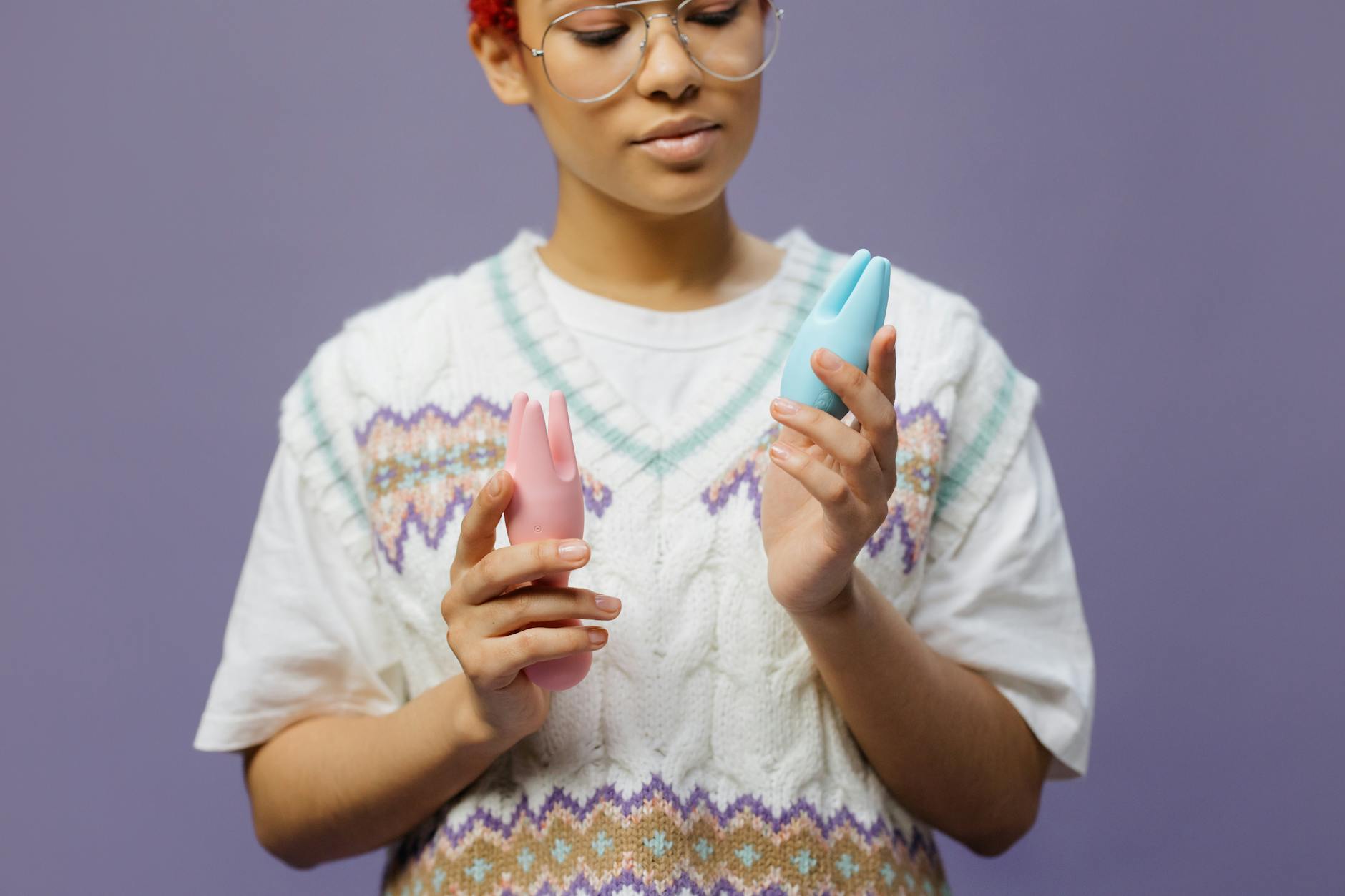
Photo by cottonbro studio on Pexels
How to bring it into partnered sex without it feeling like a criticism
Here's the thing: the moment you introduce a vibrator, your partner might hear "you're not enough." That's their stuff to work through, but it's real. The way you frame it shapes how they receive it.
Don't lead with "you can't make me come." Lead with desire and specificity. "I want to try something that I think will feel incredible. I want you to watch." "I've been exploring what gets me off, and I'd love for you to be part of that." "I came across this and I think it could make sex even better for both of us."
You're not accusing them of failure. You're inviting them into something you want. That's a completely different energy.
Start by using the vibrator during foreplay while they're touching you elsewhere. A lemon clitoral vibrator works beautifully this way. You control the pressure and speed on your clitoris. They can focus on kissing you, touching your breasts, or other areas. Suddenly, there's no performance anxiety on either side. You're both contributing. You're both invested.
If they seem resistant, pause and ask directly: "What's making you uncomfortable?" Listen without defending. Most people who react negatively are worried they're being replaced. Reassure them: "I want you here. I want us to figure this out together." That's often true, and it matters.
When they refuse to engage, and what that tells you
Some partners will refuse outright. They'll say it's weird, or emasculating, or they don't want it in the bed. This is information. It's not a reflection on you. It's information about their relationship to female pleasure, their insecurity, or their rigidity around control.
You have options. You can use it when they're not around (and you should). You can set a boundary: "My pleasure matters to me. I'm using this." You can go to couples counseling where a mediator can help them hear that this isn't a threat to them; it's a necessity for you.
What you shouldn't do is abandon your own orgasm to keep them comfortable. That's the pattern that got you here.
The lemon vibrator as a conversation starter
Many couples use introducing a lemon clitoral vibrator as the opening to a much bigger conversation. Once the vibrator is in the room and you're both less embarrassed, suddenly it's easier to say things like: "I need you to spend more time on me before you enter." Or "I almost never finish this way." Or "I want to try something different."
The vibrator itself isn't the fix. It's a tool that makes the real conversation possible because it depersonalizes things. You're not criticizing them; you're introducing a device. And from there, the actual emotional work can begin.
Using solo sessions to build confidence for the conversation
If you're nervous about the bigger talk with your partner, use lemon vibrators on your own first. Bring yourself to orgasm regularly. Get really familiar with your body's capacity. When you're not desperate or resentful during the conversation, you show up differently. You're not pleading; you're stating facts.
"I deserve to experience pleasure regularly." "My orgasm isn't a bonus; it's part of sex for me." "I need us to problem-solve this together." These statements carry more weight when you've already claimed your pleasure independently.
The timeline. How long this actually takes
Introducing a lemon vibrator and shifting a sexual dynamic isn't a one-conversation process. Expect three to six months of awkwardness, adjustment, and occasional conflict. Expect your partner to sulk sometimes or perform reluctance. That's normal. Stick with it anyway.
After a few weeks of regular use, most partners relax. They realize the vibrator isn't threatening them. They often discover they like watching. Some couples report that introducing a lemon clitoral vibrator actually deepens intimacy because suddenly the pressure is off and sex becomes collaborative instead of performative.
Not all couples land there. Some discover deeper incompatibility. And honestly, that's useful information too. Better to know you want different things sexually than to spend another five years resenting each other.
When to consider talking to someone
If your partner's refusal to engage with your pleasure is part of a larger pattern of not valuing your needs or dismissing your boundaries, a vibrator isn't the problem you should be solving. That's a relationship problem that needs professional attention. A therapist can help you both understand what's really happening beneath the sex thing.
If your partner is open but you're both struggling with execution, couples sex therapy is wildly underrated and actually quite practical. A sex therapist can help you both navigate the awkwardness and find a rhythm that works.
What happens on the other side
People who've moved through this process often report two things. First, they stop resenting their partner because they've taken responsibility for their own pleasure rather than waiting for someone else to deliver it. Second, their partner often becomes more engaged because the pressure is off. When you're not desperately hoping they'll figure it out, they often rise to the occasion.
Not always. But often enough that it's worth the experiment.
Your pleasure matters. Not as a bonus, not as a luxury, not as something that happens if there's time. As a basic part of sexuality. A lemon vibrator is just the tool. The real work is believing you deserve this and acting like it.
Frequently asked questions
Can I use a lemon vibrator if my partner is inside me?
Absolutely. Many lemon clitoral vibrators are small enough that you or your partner can hold it against your clitoris while they penetrate. Some people angle it to the side. Others use it during the first part of sex and remove it before penetration. Find what feels right for your bodies. Communication is key here—check in about pressure, angle, and what actually feels good for both of you.
Will using a vibrator make me less sensitive to my partner's touch?
No. Your clitoris has about 8,000 nerve endings. Stimulation doesn't dull them; it wakes them up. If anything, regular orgasms from a lemon vibrator often increase overall sensitivity and responsiveness. The anxiety and resentment that come from not finishing are what actually numb sensation.
What if I can only orgasm with the vibrator now and not with my partner?
That's surprisingly common and usually temporary. Your body has learned where pleasure comes from. As you build confidence and as your partner becomes more engaged, many people find their responsiveness to touch increases again. If it doesn't, that's data too. Some people genuinely need vibration to orgasm, and that's fine. It doesn't make you broken; it just means you know what works for you.
How do I bring this up without hurting their feelings?
You can't control their feelings, and honestly, their discomfort about your pleasure is their work to do. You can be kind in how you frame it. "I want to explore something that feels amazing" is kinder than "you're not doing it right." But the core message—"my pleasure matters and I'm taking it seriously"—doesn't change. If they're hurt by that, that's information.
Should I hide the vibrator if they're not enthusiastic about it?
Not if you want a healthy relationship. Secrecy breeds resentment. If they say "don't use that around me," that's different from "don't use it at all." Use it alone. If they don't want you to use it at all, you need to have a much bigger conversation about whether you're compatible. Your body is yours.
What if we've talked about this and nothing changes?
Then your partner has made a choice. They've been told your pleasure matters to you and they've chosen not to engage. That's when you need to decide if this is a dealbreaker. Many people stay in situations like this hoping things will magically improve. They won't. Change requires both people willing to try.
If you're feeling stuck about whether to stay or go, talking to a therapist individually can help you get clear on your own values and boundaries. You deserve a partner who cares that you finish. That's not a luxury ask.
The real ending
Using a lemon vibrator when your partner seems uninterested in your pleasure isn't about the toy. It's about deciding that your orgasm is worth fighting for. It's about learning what you actually need. It's about setting a boundary and watching to see if your partner respects it. And sometimes, it's about discovering that you want something your partner can't or won't give you, which is painful but clarifying.
Start solo. Get clear on what works. Bring it into the relationship from a place of desire, not desperation. Watch what happens. And remember: your pleasure is not optional. If your partner won't prioritize it, the vibrator ensures you will.
If you're navigating deeper relationship questions around intimacy or compatibility, we're here to help. Reach out and let's talk through what's actually going on beneath the surface.