Let's start with what you're probably thinking
Erectile dysfunction feels like the end of sex. It's not. What it is, though, is a plot twist that forces both of you to stop performing and start connecting. That's actually the opening you've been waiting for, even if it doesn't feel like it right now.
Here's the thing: most couples treat erectile dysfunction like a solo problem. It's not. It's a relationship problem with a physical component, and that distinction matters because the solution involves both of you.
Why erectile dysfunction changes the whole conversation
When penetration becomes unreliable, couples usually fall into one of two traps. Either sex stops entirely (the "let's just avoid it" approach), or the partner without erectile dysfunction ends up invisible. Neither of those is sustainable. What actually works is shifting from a penis-centered model of pleasure to one where your partner's pleasure gets equal airtime.
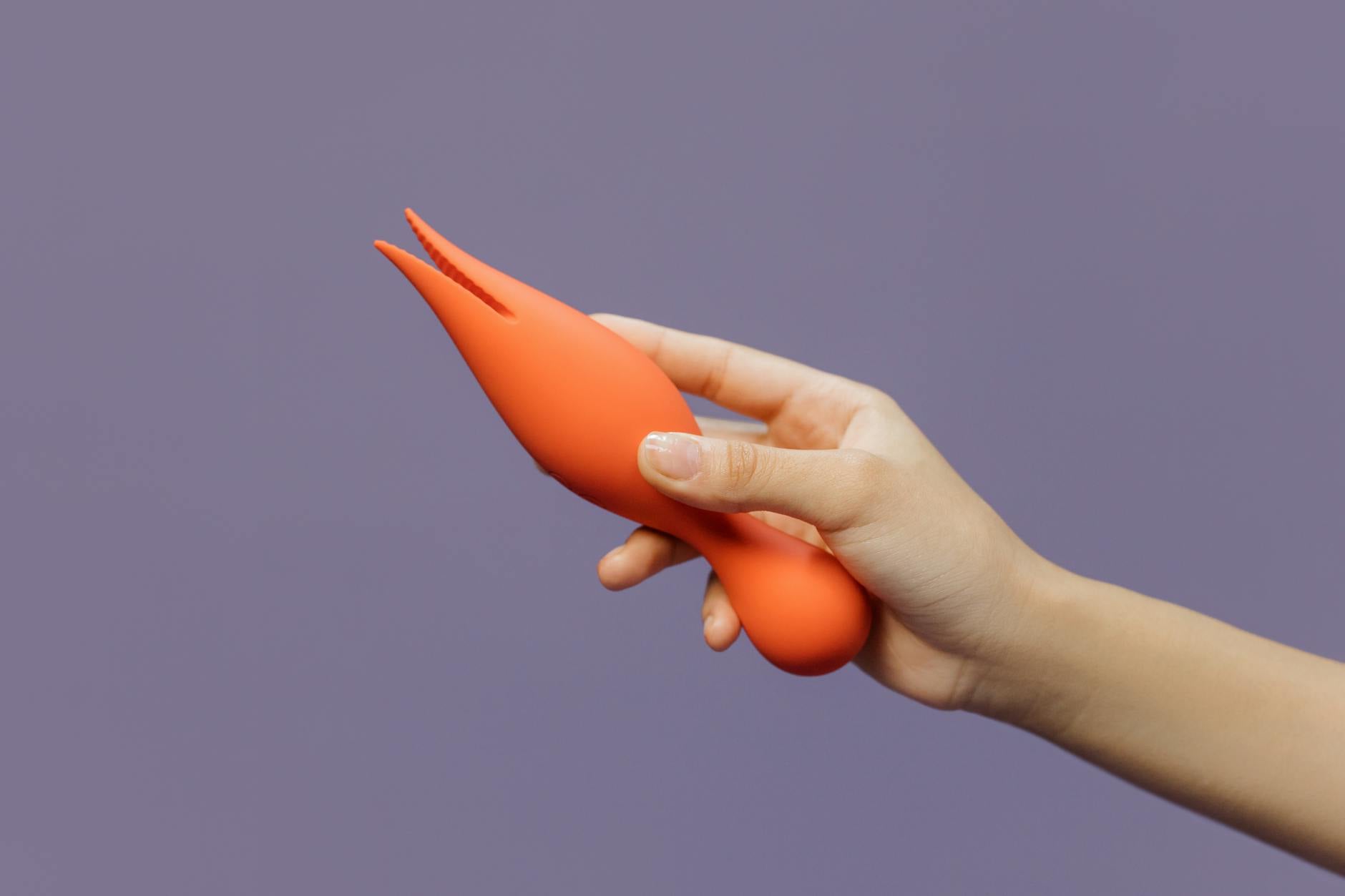
This is where a lemon clitoral vibrator enters the picture. Not as a "fix" or a consolation prize, but as the centerpiece. Here's what that actually means: instead of building sex around whether penetration will happen, you build it around guaranteed pleasure for your partner. The pressure evaporates. When pressure evaporates, erectile function often improves on its own. That's not a fluke. That's neurology.
How performance anxiety makes erectile dysfunction worse
This is the part nobody talks about clearly enough. Erectile dysfunction creates anxiety. Anxiety tightens your nervous system, which makes erectile dysfunction worse. You're caught in a loop that gets tighter with every "failed" attempt.
A lemon vibrator breaks that loop because it removes the performance requirement from your partner. They get to experience reliable pleasure without waiting for your body to cooperate. You get to be present without monitoring your own response. Both things are necessary.
When I work with couples on this transition, the turning point usually comes when the partner with erectile dysfunction realizes they can be the one controlling the experience. They're holding the lemon clitoral vibrator. They're setting the pace. They're the active agent. That shift from anxious spectator to engaged participant changes everything.
The practical setup that actually works
First, talk about this outside the bedroom. Don't introduce a vibrator mid-attempt when things are already tense. Instead, pick a calm moment and say something like: "I want us to feel good together again. I'm thinking about trying something that takes pressure off both of us."
Then, here's the structure that most couples find works:
Start with your partner at the center. You're not working toward penetration. Penetration might happen. It might not. That's fine. The goal is her pleasure, full stop. No other objectives.
Use the lemon vibrator early, not as a backup. A lot of couples make the mistake of trying penetration first, then reaching for the vibrator when things aren't working. That signals to both of you that the vibrator is a second choice. Instead, make it part of the main event from the start.
Take turns controlling it. Sometimes you hold it. Sometimes your partner holds it. Sometimes you hold it together. The variety matters because it keeps you both engaged and reduces the sense that you're observing rather than participating.
Build in touch that has nothing to do with orgasm. Skin-to-skin contact, kissing, hand-holding. These reset your nervous system and remind you that intimacy exists outside of sexual function.
What this actually looks like in practice
Honestly though, the mechanics are less important than the mindset shift. You're not trying to "fix" your body into performing. You're redesigning pleasure so both of you get what you need.
Say your partner is lying down. You might start by touching them, kissing them, being present. Then introduce the lemon clitoral vibrator. Maybe they guide your hand. Maybe you guide theirs. You're paying attention to what feels good to them, not to what your penis is doing. That attention is the actual aphrodisiac here.
If you do get hard, penetration is an option. If you don't, you have a whole toolkit of pleasure available that doesn't require it. That removal of requirement is what makes things easier.
Here's something most men don't expect: once the pressure is truly off, a lot of men find that erectile function improves. Your body relaxes when it doesn't have to prove anything. When your nervous system isn't in fight-or-flight about performance, blood flow works more naturally.
The emotional part is bigger than the physical part
Erectile dysfunction often comes with shame. Your partner might feel rejected even though logically they know it's not about them. You might feel like you've let them down. Neither of those is true, but feelings don't care about logic.
A lemon vibrator helps with this because it creates a conversation where you're building something together instead of trying to fix something broken. You're collaborating. You're making choices about pleasure together. That's intimacy in its actual form.
Some couples find that using a lemon clitoral vibrator together is the first time they've really talked openly about what feels good. That's because vibrators invite specificity. "Does this pattern feel good? What about this speed?" Those questions create dialogue that couples rarely have otherwise.
Also: your partner deserves consistent pleasure. That's not transactional. That's not demanding. That's baseline. If erectile dysfunction made you forget that your partner's satisfaction matters equally, a lemon vibrator is the tool that puts that front and center.
When to get professional support
If erectile dysfunction is new or severe, there's value in seeing a doctor. Sometimes it's hormonal. Sometimes it's a medication side effect. Sometimes it's vascular. A good GP can rule out the physical stuff.
If the anxiety piece is huge, a therapist who works with couples and sexual health is worth the investment. Not because there's something wrong with you, but because this is a transition that affects both of you, and having someone help you navigate it is smart.
The real win here
Let's be honest: you probably thought erectile dysfunction meant the end of partnered pleasure. It doesn't. What it means is that you get to stop performing and start connecting. A lemon clitoral vibrator isn't a workaround. It's permission to redesign what intimacy looks like for both of you. And sometimes that redesign is better than what came before.
The couples who move through this successfully aren't the ones who get erectile function back to baseline. They're the ones who build a new baseline where both people's pleasure matters equally. That's not settling. That's actually winning.
Frequently asked questions
Q: Will using a vibrator make my partner not want penetration anymore?
A: No. If anything, the opposite. When your partner is having consistent, reliable pleasure without pressure, they're usually more interested in trying different things with you, including penetration. The vibrator isn't a replacement. It's an expansion.
Q: Is it normal to feel jealous or insecure when my partner uses a lemon vibrator?
A: Totally normal. Those feelings are worth acknowledging instead of pushing down. Try reframing it: the vibrator is doing something your body isn't doing right now, which means your partner gets to feel good. You get to be present for that. That's partnership, not failure. Over time, couples often find that watching their partner experience pleasure is actually really hot.
Q: How do I bring this up without making things worse?
A: Don't do it in the bedroom. Pick a neutral moment and be straightforward. "I've been stressed about our sex life, and I think part of that is pressure on both of us. I found this tool that might help us rebuild things. Would you be open to trying it?" Most partners will appreciate the honesty and the attempt to fix things together.
Q: Can erectile dysfunction go away if we change how we approach sex?
A: Sometimes, yes. When the anxiety piece is huge, taking pressure off can genuinely help. But it depends on the cause. If there's a vascular or hormonal component, that might need medical intervention. The mindset shift helps either way, but it's not a replacement for seeing a doctor if the issue is new or severe.
Q: What if my partner isn't interested in trying a lemon vibrator?
A: That's information worth honoring. Ask why. Is it discomfort with toys? Worry about what it means? Feeling pressured? Those conversations are more important than the vibrator itself. Sometimes couples benefit from talking to a therapist about what's underneath the resistance.
Q: How long does it usually take to feel like sex is good again?
A: That depends on how long the pressure has been building and how much anxiety is in the mix. Some couples feel a shift within a few experiences. Others take weeks or months. The point is to stop measuring success by whether penetration happens and start measuring it by whether you both feel connected and satisfied. That usually takes the pressure off and lets things improve naturally.
If you're navigating erectile dysfunction with a partner, know that you're not alone and that this isn't the end. It's actually an invitation to rebuild intimacy on a foundation where both of you get what you need. That's worth the conversation, worth the adjustment, and worth exploring together.
Have questions about how to get started? Reach out to Hello Nancy. We're here to help.