Here's what conflict actually does to your body
I've worked with hundreds of couples navigating the aftermath of a fight, and the pattern is always the same. One partner says, "I want to reconnect physically," and the other says, "I can't right now. My body just feels... locked." That sensation isn't willpower, stubbornness, or lack of attraction. It's your nervous system doing exactly what it's supposed to do.
When conflict happens, your body floods with cortisol and adrenaline. Your vagus nerve, which governs both arousal and calm, gets hijacked by the fight-or-flight response. Blood pools away from your genitals and toward your muscles. Your clitoris becomes less responsive because the entire system is wired to survive a threat, not to feel pleasure. This isn't a choice. It's neurobiology.
The nervous system shutdown is real (and has a name)
There's an actual physiological state called the dorsal vagal shutdown. When conflict feels too intense, your nervous system doesn't just stay in fight-or-flight. It collapses into immobilization. You freeze. You feel numb. You might want to reconnect, but your body genuinely cannot access pleasure because it's locked in protection mode.
This is why rushing back to physical intimacy immediately after a fight often fails. You're asking your nervous system to switch states in minutes when it actually needs time to reset. The tension in your shoulders, the catch in your throat, the sense of distance from your partner? Those aren't problems with the relationship. They're signals that your autonomic nervous system hasn't downshifted yet.
The good news: this is completely reversible. And one of the fastest, most effective ways to reset is through self-directed pleasure.
Why clitoral vibrators specifically help with this reset
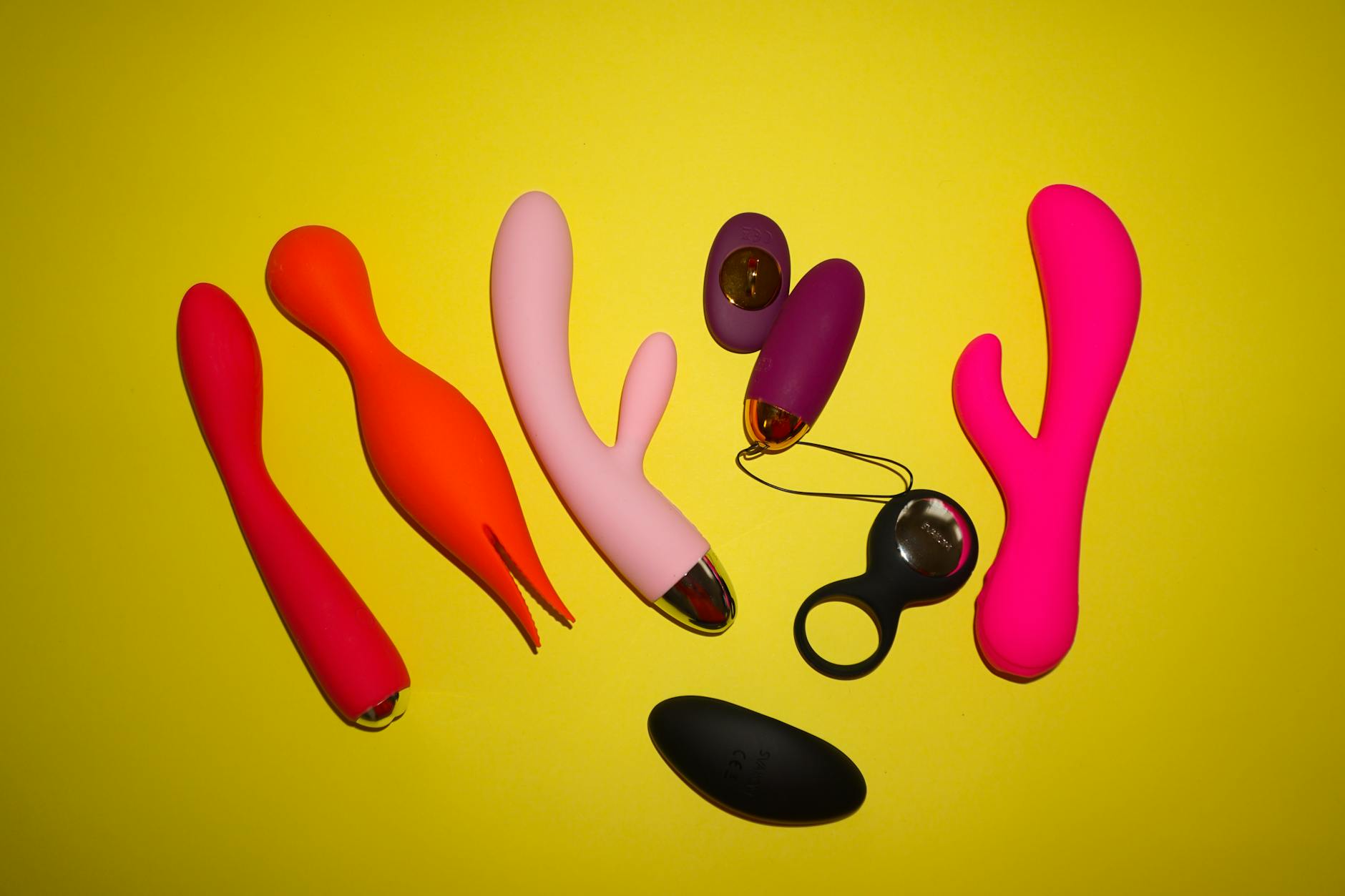
Lemon clitoral vibrators and other suction-style toys work differently than traditional vibration. They create rhythmic stimulation that signals safety to your nervous system. Here's why that matters after conflict.
When you use a lemon vibrator on your clitoris, the sensation is precise and localized. It's not overwhelming. The rhythm is predictable. Your brain registers: this is safe, this is pleasant, this is within my control. Meanwhile, the physical stimulation activates your parasympathetic nervous system. Your vagus nerve shifts from protection mode into rest-and-digest mode. Your heart rate slows slightly. Your breathing deepens.
This isn't meditation or breathing exercises (though those help too). This is direct, embodied nervous system regulation through pleasure. You're not thinking your way into calm. You're feeling your way into it.
The timeline: when your body is actually ready
If you've just had a major conflict, the honest answer is that you probably need 2 to 6 hours before your nervous system will even register clitoral touch as pleasurable rather than intrusive. That might feel like forever when you're desperate to reconnect, but fighting it only extends the shutdown.
Here's what actually helps the timeline:
First hour: allow disconnection. Don't force talking or touching. Your nervous system needs to literally discharge the stress chemicals. Movement helps. A walk, even 15 minutes, speeds this up dramatically. So does a shower, stretching, or lying down quietly. Cold water on your face (ice cubes work) triggers the parasympathetic brake immediately because of your vagal reflex.
Hours 2 to 4: solo pleasure becomes possible. This is when you might reach for a lemon vibrator, not as a way to avoid reconnecting with your partner, but as a way to reset your own system first. Ten to fifteen minutes of self-directed clitoral stimulation tells your body that the threat has passed. Your genitals get more blood flow. Your pleasure receptors wake up. You feel more like yourself.
Hours 4 to 6 and beyond: mutual reconnection becomes easier. Not because the conflict is resolved (that's a different conversation), but because your nervous system is no longer in protection mode. You can actually feel affection, touch, and desire again.
How to use a lemon vibrator for nervous system reset (not just orgasm)
The goal here isn't necessarily to climax. That might happen, and that's great. But the real work is about resetting your body's threat detection system. Three things matter.
Start slow. Begin on pattern 1 or 2, not full intensity. Slow stimulation actually calms your nervous system faster than intense stimulation, which can feel overstimulating when you're already activated. Give yourself 5 to 10 minutes at lower intensity before increasing.
Focus on what feels good right now, not what usually works. After conflict, your body might need something gentler, or you might need stronger sensation. Don't override what your body is asking for. Pleasure after stress is customized. Honor that.
Let the vibration do the work. You don't need to perform arousal or prove you're relaxed. The clitoral stimulation from a lemon vibrator is specific enough that your body will naturally respond. Your breathing will deepen. You might feel warmth returning to your genitals. You might not reach orgasm and that's completely fine. The nervous system reset is the point.
The relationship reset that follows
Here's the part that's hard to admit: many couples stay stuck in cycles because they skip the nervous system reset. One partner wants to immediately have makeup sex, and the other partner can't access desire yet. Both feel rejected. The argument escalates or festers.
What changes when you allow solo reset time first is that you come back to your partner from a grounded place. Your body remembers that pleasure is possible. Your nervous system has proof that the threat has passed. You're not rushing into touch because you feel obligated to reconnect. You're touching because you actually want to.
For couples navigating this, I recommend being honest about the timeline. Instead of "I don't want to be intimate," try "I need a few hours to reset my nervous system, and I'd like some solo time to do that." Instead of reading that as rejection, the other partner can understand it as self-care that makes reconnection possible later.
If your partner is using a lemon vibrator during that reset window, that's them actively preparing to reconnect with you. It's not a replacement for your touch. It's a bridge back to it.
When solo reset becomes a pattern (and that's okay)
Some people use clitoral vibrators regularly after conflict because they've learned that self-pleasure genuinely helps them regulate. That's not avoidance. That's self-knowledge. Your body knows what it needs.
For some, regular stress or unresolved tension in the relationship means that nervous system activation is happening often. If you're reaching for a lemon vibrator or other clitoral toy multiple times a week just to feel calm, that's useful information. It might mean the relationship needs attention, or it might mean your stress levels need management. Both are worth addressing.
But here's what I've seen consistently: people who give themselves permission to use pleasure as a nervous system tool end up with better relationships, better conflict recovery, and more sexual desire overall. Because they're not waiting for their partner to fix their activation. They're taking responsibility for their own nervous system and coming back to the relationship from a place of wholeness, not desperation.
The science of reconnection
One study from the Journal of Sexual Medicine found that orgasm doesn't just feel good. It actually resets cortisol levels and increases oxytocin, the bonding hormone. But you don't need to reach orgasm for the nervous system benefits to kick in. Light clitoral stimulation for 10 minutes creates measurable shifts in heart rate variability and parasympathetic activation.
What that means in real terms: after you've had a fight and spent an hour apart, 10 minutes with a lemon vibrator or similar clitoral toy can literally reset your capacity to feel safe and connected again. Your biology shifts. Your nervous system downshifts. You become available for repair and reconnection.
Common questions about pleasure after conflict
Should I feel guilty about using a vibrator instead of reconnecting with my partner immediately? No. Resetting your nervous system is not a betrayal. It's preparation.
What if I orgasm but still feel distant from my partner? That's normal. Orgasm is one reset mechanism. Conversation, time, and possibly professional help are others. They work together.
How long does the nervous system reset last? Typically 2 to 4 hours, but that varies. Stress, sleep, and how serious the conflict was all factor in. Some people need to reset multiple times if the conflict was major.
Can I use a lemon vibrator as a preventative for conflict stress? Absolutely. Regular clitoral pleasure has been linked to lower baseline cortisol, better mood, and improved emotional regulation. Self-care with a quality adult toy helps.
Should I tell my partner I'm using a vibrator to reset after conflict? That depends on your dynamic and communication. Some couples find it helpful to be transparent. Others prefer privacy around solo pleasure. Do what feels right.
What comes next
After conflict, your nervous system needs reset before your relationship does. That's not failure. That's how human bodies work. Whether you use a lemon vibrator, take a walk, or take a cold shower, the point is to signal safety to your system.
When both partners understand this, conflict becomes less scary. You know that the distance you feel is temporary. You know you can reset and come back. You know that pleasure, solo or partnered, is part of the repair process, not a distraction from it.
If you're navigating a lot of conflict in your relationship, that's worth exploring with a therapist. But if you're looking for a tool that helps you reset your body in the meantime, a quality clitoral vibrator is worth trying. Your nervous system will thank you. And when you come back to your partner from a grounded place, they'll feel the difference too.
People also ask
Can a vibrator actually help with relationship anxiety?
Yes. Clitoral stimulation activates your parasympathetic nervous system, the part responsible for calm and safety. Regular pleasure has been linked to lower baseline anxiety and better stress response. After conflict specifically, the nervous system reset that comes from using a lemon vibrator can reduce that activated, unsafe feeling by 40 to 60 minutes of return to calm.
How soon after a fight is it okay to have sex?
That depends entirely on your nervous system. Physically, you need at least 1 to 2 hours for cortisol to drop and arousal to become possible. But many people need longer. If you're still feeling the physical tension of the fight, your body isn't ready. Forcing it often backfires. If you'd like to start reconnecting, solo pleasure with a clitoral vibrator can bridge that gap faster than waiting alone.
Why does stress make it hard to reach orgasm?
When you're stressed, your sympathetic nervous system (fight-or-flight) is activated. This diverts blood from your genitals, increases adrenaline, and hijacks the neural pathways for arousal. Your clitoris literally gets less blood flow. Orgasm requires a specific neurological state that conflict directly opposes. This is why foreplay takes longer after stress, and why lemon clitoral vibrators, which offer consistent, intense stimulation, help bypass that activation.
Is using a vibrator alone after a fight a sign the relationship is in trouble?
Not necessarily. Sometimes taking solo reset time actually prevents larger problems. What matters is whether both partners understand and respect that need. If one partner is using a vibrator to avoid all physical reconnection, that's worth exploring. But if it's a bridge back to intimacy, it's healthy. Many couples find that solo pleasure for one or both partners actually improves their sex life because everyone comes to it from a calmer, more open place.
How do I talk to my partner about needing solo time after a fight?
Be direct and kind. Try: "I want to reconnect with you. Right now my nervous system is too activated. I'm going to take some time to reset. I'll let you know when I'm ready." You don't need to specify how you'll reset. The point is that you're being honest about your timeline and affirming your commitment to reconnection. Many partners find this actually builds trust because it shows you're taking responsibility for your own nervous system instead of expecting them to do it.
Can solo pleasure replace couples therapy for relationship problems?
No. Pleasure helps your nervous system reset, which makes productive conversation possible. But it doesn't resolve underlying conflict or communication patterns. If you're using vibrators regularly to manage relationship stress, that's a sign to also consider couples counseling or therapy. Both tools serve different purposes.
The bottom line
After conflict, your nervous system needs to reset before your relationship can properly reconnect. That reset is not optional and it's not avoidance. It's biology. A quality lemon clitoral vibrator or other adult toy can speed that reset from hours to minutes because consistent, pleasurable stimulation directly signals safety to your vagus nerve. Once your body feels safe again, reconnection with your partner becomes genuinely possible, not forced. That's when the real repair happens.