
Here's what nobody tells you about quitting hormonal contraception
The day you stop taking the pill, nothing happens. Then one day, three weeks later, you're using a toy you've owned for two years and it suddenly feels like someone rewired your entire nervous system. That's not a coincidence, and it's not in your head. When hormonal contraception leaves your body, your pleasure baseline shifts. Hard.
I'm talking about a complete recalibration of how your clitoris responds to stimulation, how fast arousal builds, and what intensity actually feels good. Lemon vibrators, which you might have used comfortably on setting 4 for years, might suddenly feel intense at setting 2. Or the opposite. The suction feels different. The rhythm feels different. Everything feels different because physiologically, you actually are different.
This matters because most people assume their pleasure response stays static. It doesn't. And the longer you used hormonal contraception, the bigger the shift.
What hormonal contraception actually does to your body
Let's get specific. The pill (or the ring, patch, implant, etc.) floods your system with synthetic estrogen and progestin. These aren't your body's natural hormones. They're chemical stand-ins that suppress ovulation and thicken cervical mucus. That's the contraceptive part. But they also change how blood flows to your genitals, how sensitive nerve endings are, and how quickly arousal cascades through your central nervous system.
Your natural testosterone production drops significantly on hormonal contraception. Testosterone is essential for desire in people of all genders who have vulvas. On the pill, many people report lowered libido not because anything is broken, but because their hormone profile has been deliberately altered. That's the point of the pill. It's working as intended.
Your vaginal tissue also changes. Hormonal contraception keeps tissue thicker and more lubricated. It's one of the side benefits. When you're on synthetic hormones, your clitoris and vaginal entrance stay plumped, engorged, and ready. Arousal happens faster because your baseline is already elevated.
When you stop? All of that reverses.
The pleasure shift after stopping hormonal contraception
Within a few weeks, your natural hormone cycle returns. Your testosterone rebuilds. Blood flow to your genitals normalizes. The tissue that felt plump and sensitive under synthetic hormones recalibrates to what your body's actual hormones support.
For many people, this is a pleasant surprise. Desire comes roaring back. Arousal feels sharper, more deliberate, more yours. Some people report that their first orgasm off hormonal contraception feels stronger than anything they experienced in years. This is real.
For others, the first few months feel muted. Your body is still resettling. Arousal is slower to build. The sensitivity your clitoris had under the pill hasn't returned yet. Everything feels flatter, less responsive. This is also real, and it passes.
The critical thing: you're not broken. Your body is re-learning how to respond to stimulation without the chemical foundation you've given it for five, ten, or fifteen years. That takes time.
How your lemon vibrator experience changes
Lemon clitoral vibrators work via suction and pulsing, not traditional vibration. This matters now more than ever. Suction creates a gentle pull that stimulates the entire clitoral complex, not just the exposed glans. When your body comes off synthetic hormones, suction often feels better than direct vibration because it doesn't require the same level of tissue sensitivity or responsiveness.
If you were using a lemon vibrator comfortably on higher settings while on hormonal contraception, you might find those settings feel overwhelming now. This is because your actual baseline sensitivity has shifted. Without the chemical enhancement of synthetic estrogen, your nerve endings aren't primed to the same degree. This doesn't mean you've lost sensitivity. It means your body is finally showing you its true baseline.
Many people find that lemon vibrators actually work better after stopping hormonal contraception. Why? Because the suction mechanism doesn't rely on your body being in a heightened state of arousal to begin with. It builds arousal. Suction creates the engagement that you previously got partly from the pill itself.
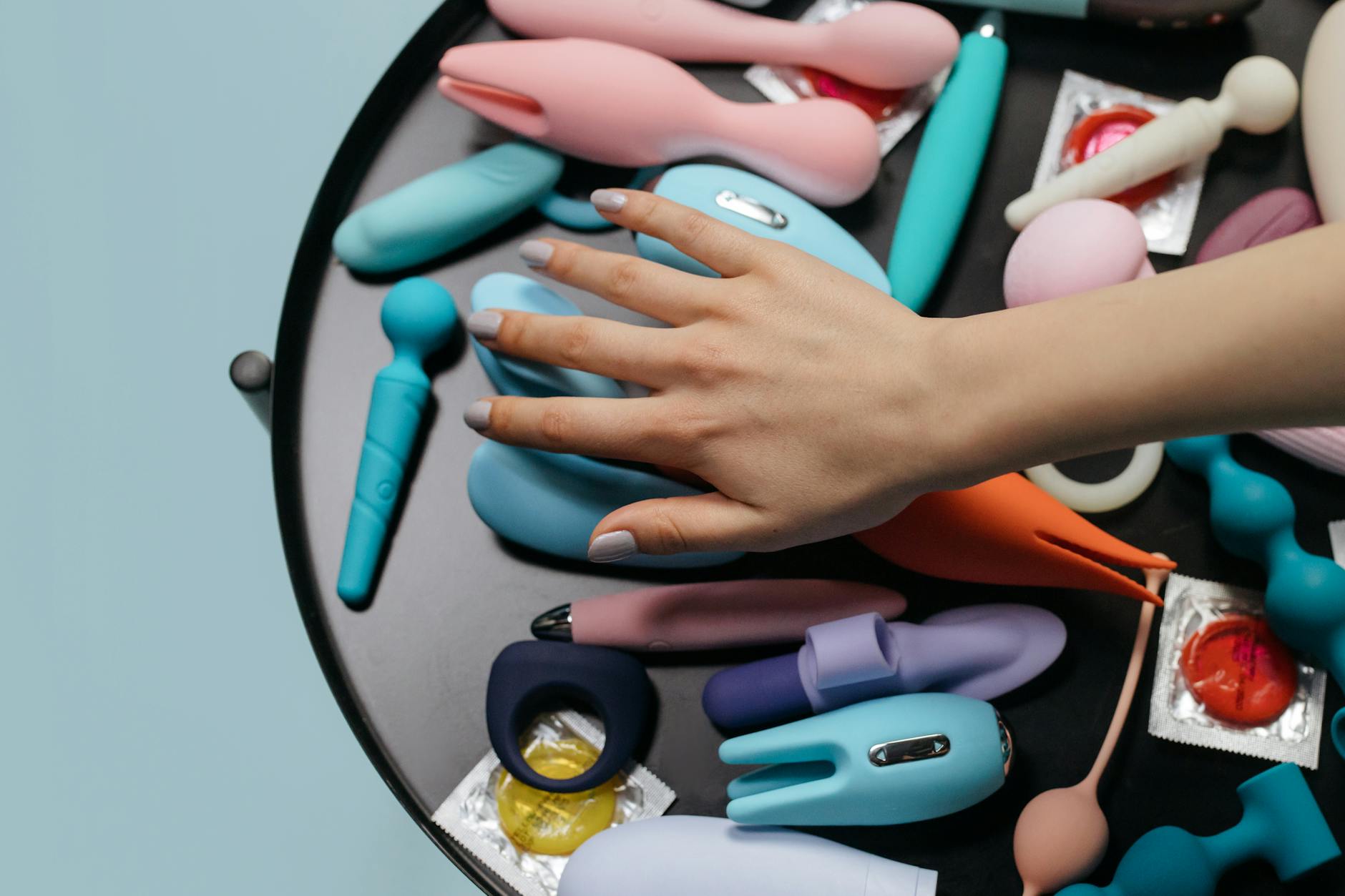
Photo by cottonbro studio on Pexels
Starting with lower settings and working upward
When you first stop hormonal contraception, treat your lemon vibrator like you're learning it for the first time. Patience here is not weakness. It's intelligence.
Start at pattern 1 or 2. Spend time with it. Your body isn't sluggish. It's exploring. Let arousal build gradually. You're essentially re-teaching your nervous system what it's capable of without pharmaceutical enhancement. That's valuable data.
One adjustment that helps: add longer warm-up time before you introduce the vibrator. Ten to fifteen minutes of manual stimulation, kissing, or partner touch. This builds arousal naturally, the way your body now prefers to do it. Then introduce the lemon vibrator. You'll find the transition feels less jarring, and the sensation feels more integrated with your actual arousal state.
Partnered play after stopping hormonal contraception
If you have a partner, the shift in your pleasure response can feel confusing to both of you. They might not understand why what you both enjoyed previously suddenly doesn't feel the same. You might feel frustrated that you need longer warm-up or lower intensity.
The conversation to have: "My body is recalibrating after coming off hormonal contraception. This isn't about you or our connection. It's about my baseline shifting. I need a bit more time and patience, and it's honestly kind of exciting because I'm learning my body's authentic response."
Then actually use that knowledge together. Longer foreplay isn't a setback. It's an opportunity. Many couples find that this transition brings more presence to their intimate life because they're moving slower, paying more attention, and exploring together. A lemon vibrator becomes a tool for collaborative discovery, not a quick fix.
The timeline for full recalibration
This depends on how long you used hormonal contraception and which method. Someone who was on the pill for two years will recalibrate faster than someone who was on it for fifteen. An implant leaves your system faster than an oral contraceptive (which stays in your bloodstream for about forty-eight hours after your final pill).
Generally, expect three to six months for your hormone levels to fully stabilize. Your cycle will be irregular at first. Your mood might shift. Your energy will fluctuate. And your pleasure response will also be somewhat unpredictable during this window. That's normal. You're not less responsive. You're in transition.
By month four or five, most people report that they feel fully settled. Your new baseline becomes familiar. The lemon vibrator settings that feel right now are genuinely right for your body. The arousal speed that you're experiencing is actually your speed. You're not enhanced. You're not muted. You're just you.
Desire changes too
One thing people don't talk about: quitting hormonal contraception often brings back spontaneous desire. Many people on the pill experience low libido without realizing it's the pill itself dampening their baseline testosterone. When you stop, you might suddenly be interested in sex, in exploring, in your toys, in your body in ways you haven't felt in years.
This can be wonderful. It can also be surprising if your relationship has settled into a particular rhythm around lower desire. If desire suddenly increases, that's not a sign something is wrong with your relationship. It's a sign your body's actual signaling is returning. Honor that. Use it.
When to check in with a doctor
If you stop hormonal contraception and after six months your pleasure response still feels completely flat, or if you're experiencing pain that wasn't there before, talk to a gynaecologist. Sometimes quitting the pill reveals an underlying issue that the hormones were masking. Endometriosis, for instance, can feel less painful on hormonal contraception. When you stop, it can flare. That's useful information, and it's treatable.
Most of the time, though, the recalibration is temporary and natural. Your body is re-learning. Give it time.
FAQ: Lemon vibrators and hormonal changes
How long does it take for pleasure response to change after stopping hormonal contraception?
The shift usually begins within two to three weeks as hormone levels drop. By six weeks, most people notice a clear difference. Full recalibration typically takes three to six months. The more years you spent on hormonal contraception, the longer full adjustment can take. If you were on it for a decade or longer, be patient. Your body is remembering how to respond without pharmaceutical support.
Will my lemon vibrator work differently after I stop the pill?
Yes. You might find you need lower settings initially, or conversely, you might find higher settings suddenly feel more satisfying. This depends on your individual hormone profile and how sensitive you were to synthetic hormones. The good news: lemon clitoral vibrators adapt beautifully to hormonal shifts because suction-based stimulation doesn't rely on your body being pre-primed. It creates arousal rather than requiring it.
Can I speed up the recalibration process?
Not really, but you can support it. Regular masturbation or partnered sexual activity helps normalize your new pleasure response. Explore what feels good at each stage rather than comparing it to how you felt on the pill. Some people find that using their lemon vibrator a few times a week during the recalibration period helps them become attuned to their actual baseline faster.
Is it normal for orgasms to feel different after stopping hormonal contraception?
Completely normal. Orgasms might feel more intense, more subtle, take longer to build, or feel concentrated in different areas. This is because the physiological pathway for orgasm is influenced by hormone levels and blood flow patterns, both of which change when you quit synthetic hormones. Give your body three to four months to establish a new pattern before you decide anything is "wrong."
Should I talk to my partner about the change in my pleasure response?
Yes. Communication is always better than silence. Frame it positively: "My body is shifting, and I'm learning something new about what feels good for me. I'd love for us to explore this together." Many couples find this transition brings more intimacy, not less. It's an opportunity to check in about what you both want and to explore fresh.
What if my desire doesn't come back after quitting hormonal contraception?
If after six months you're still experiencing the same low desire you had on the pill, it's worth exploring with a doctor. Sometimes low desire has nothing to do with the pill and more to do with relationship dynamics, stress, health conditions, or other medications. A conversation with a gynaecologist or a couples therapist can help you figure out what's actually happening.
Your body is wiser than the pill
When you quit hormonal contraception, you're not losing anything. You're gaining access to your body's actual signaling. Your lemon vibrator might feel different, but that difference is valuable information. It's your body telling you exactly what it needs now, not what the pill told it to need.
Trust the shift. Explore it. If you have questions or want to discuss your specific experience, reach out to us. We're here for it.