
After a decade, your bodies aren't the same — and that's exactly why you need a different approach
Between you and me, the couples I work with who've been together 10-plus years rarely bring up sex first. They talk about feeling distant. They mention schedules that don't align. They describe touch that feels rushed or obligatory. Then, usually halfway through the session, one partner says something like: "We tried, you know. But it's just different now."
That's true. It is different. And here's what most people miss: different doesn't mean broken.
After 10 years of partnered life, bodies change in ways that actually make lemon vibrators more valuable, not less. Your skin is less responsive to light touch. Arousal takes longer to build. The spontaneous desire you felt early on has been replaced by something quieter, more contextual. For many couples, introducing a clitoral vibrator at this stage feels like finally speaking the right language.
What actually changes in a 10-year body
I'm not talking about age or fitness alone. I'm talking about what happens when the same person has been touching the same body for a decade.
Your nervous system adapts. Pleasure pathways that once fired at a glance now require intentional stimulation. This is called habituation, and it's not a sign of dying desire — it's a sign that your brain has gotten efficient. Your partner's touch, no matter how attentive, becomes familiar in a way that can feel almost invisible.
At the same time, your clitoris hasn't changed. The nerve density is the same. The capacity for pleasure is the same. What's changed is the speed at which you arrive at that pleasure, and the type of stimulus that cuts through the neural noise.
This is where lemon vibrators excel. The suction mechanism on a device like the Lem works differently than vibration alone. It creates a gradient of pressure that your nervous system reads as entirely new information. After 10 years of familiar touch, your body responds to novelty. That's not infidelity. That's neuroscience.
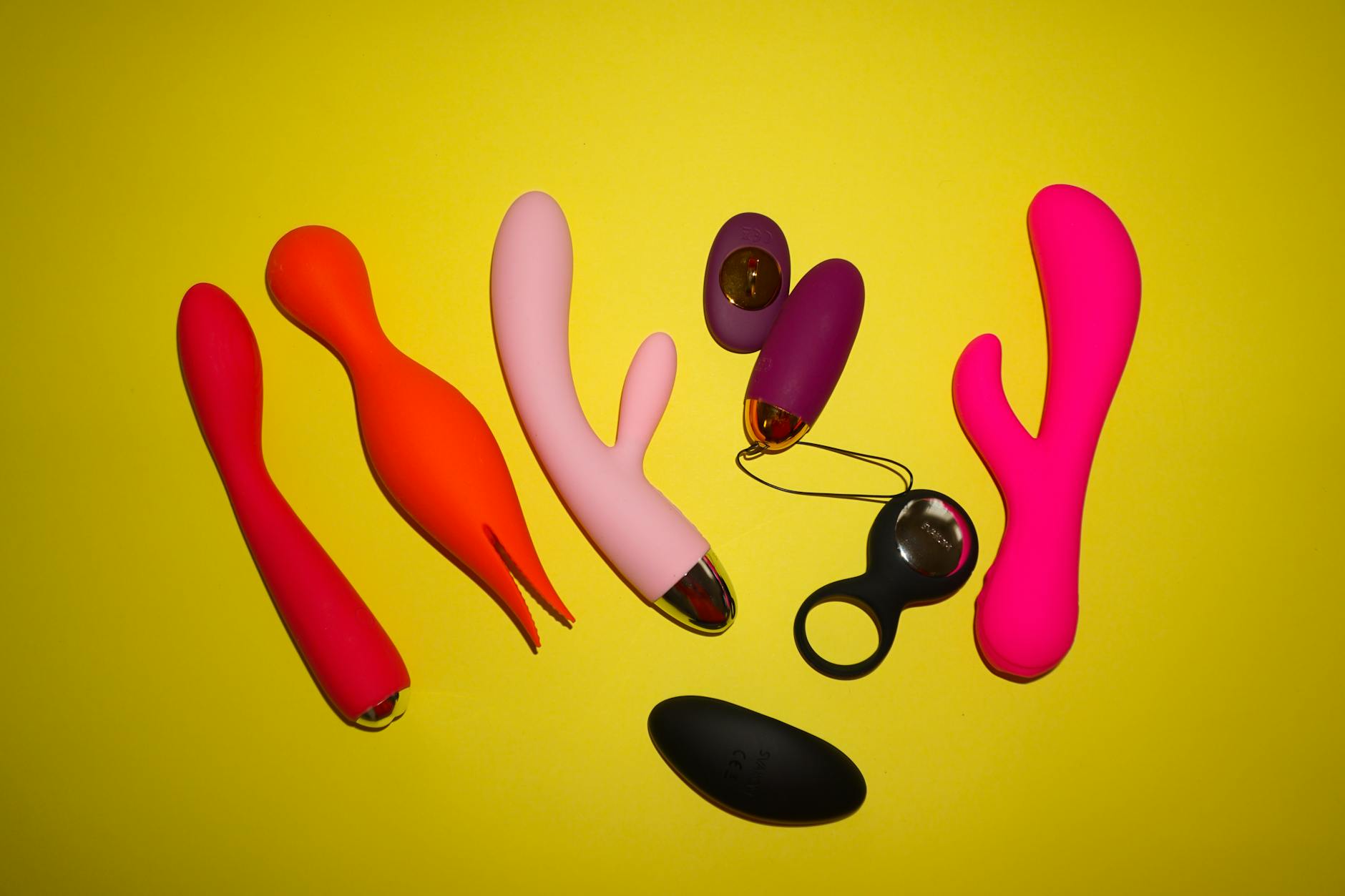
Photo by FounderTips . on Pexels
Why lemon clitoral vibrators specifically help couples reconnect
Here's something I tell couples who are considering bringing a toy into their sex life: it's not a replacement for your partner. It's a translator.
A lemon vibrator, with its gentle suction and rhythmic patterns, allows pleasure to build faster. For people who've been together a long time, faster isn't shallow — it's permission to actually feel something. When arousal takes 20 minutes instead of 45, you have mental space to be present instead of anxious about whether it's going to happen.
For the partner doing the touching, watching their partner's body respond to something they couldn't create alone is usually a relief, not a threat. I've heard this phrased as: "Finally, I can see her come. I thought I'd lost the ability to do that." That shift in feeling changes everything about how the couple shows up together.
Lemon vibrators also work well for long-term couples because they require explicit communication. You have to talk about what sensation you want, what speed, what angle. That conversation is often the first real sexual dialogue a couple has had in years. It sounds small, but it's not. Communication during sex is the variable most strongly linked to relationship satisfaction.
The specific patterns that work after 10 years
When I recommend a clitoral vibrator to a long-term couple, I always mention this: you don't have to use it the same way every time.
The Lem and similar lemon suction vibrators typically have 5-10 intensity levels. Most couples in their second decade together start with a lower setting than they'd expect to need. The suction sensation is stronger than vibration alone, so what feels mild at first builds quickly.
For direct clitoral stimulation, many people find that levels 3-5 feel like home base. From there, some prefer to stay there until climax. Others use it to build arousal, then switch to manual touch or partnered touch to finish. There's no right way — the point is that you're experimenting together, which creates novelty without creating distance.
Some couples build a routine: direct lemon vibrator use for 10-15 minutes, then partnered touch. Others find that the vibrator actually increases arousal enough that they can transition to partnered sex more easily. The shared goal of exploring something new together, not the specific mechanics, is what rebuilds connection.
How to introduce this without awkwardness
The couples I work with who do this successfully don't treat it like a transaction. They don't hand over the device and leave the room. They talk about it first — not in the moment, but in a regular conversation.
Something like: "I've been reading that after a lot of time together, bodies need different kinds of stimulation. I found this thing called the Lem that works differently than anything we've used. Want to try it together?" That's direct, specific, and removes the shame.
Then, when you do try it, make it part of foreplay, not separate from it. Your partner can use it while kissing you, or you can hold it while they touch you elsewhere. The whole point is that it's collaborative, not isolating.
I also tell couples to manage expectations. The first time probably won't be transcendent. You might feel self-conscious. Your partner might feel unsure about how to hold it. That's completely normal. By the third or fourth time, your body knows what to expect and can actually relax into it.
Why this matters more than just sex
When couples come in feeling distant after 10 years, it's rarely just about sex. It's about feeling known. It's about novelty and curiosity within a stable relationship. It's about permission to still want things, to still be learning each other.
A lemon vibrator doesn't fix a relationship that's broken in other ways. If you're not communicating, if resentment is high, if you're not spending time together, no toy will change that. But if you're a solid couple who've simply lost touch with desire, if you're both willing to be a little awkward together, if you're curious — then yes, this shift matters.
I've had couples tell me that introducing a lemon clitoral vibrator was the first thing they'd done together in years just for pleasure. No logistics. No productivity. Just: "Let's try this and see what happens." That willingness to explore together, even after a decade, is what rebuilds intimacy.
FAQ: Long-term couples and lemon vibrators
Will using a vibrator make my partner feel replaced?
Not if you frame it correctly. Most partners feel relieved — finally, they can see you respond in a way that makes it clear it's not them. The vulnerability of saying "I want to try this" is often what reconnects couples more than the toy itself. Your partner wants you to feel good. Showing them what actually works now is an act of trust.
How often should we be using a lemon vibrator?
There's no schedule. Some couples use one every few weeks, others a few times a month. What matters is that it doesn't become the only way you have sex. It's one tool. The goal is for your partner's touch to still work, to still feel desired, but with more creativity and communication than you had before.
Does using a toy mean our sex life is in trouble?
Actually, the opposite. Couples who actively explore sexuality together report higher satisfaction across the board. Using a lemon vibrator isn't a sign of failure — it's a sign of curiosity. And curiosity is what keeps long-term relationships alive.
My partner doesn't want me to use anything. How do I talk about this?
Gently, and separate from the bedroom. "I'm interested in exploring this, and I'd like your input" is different from "I need this to enjoy sex with you." If your partner is resistant, ask why. Sometimes it's insecurity. Sometimes it's a different comfort level with sexuality. Those are conversations worth having, but not in the moment. When you understand the actual concern, you can address it.
Is there a best lemon vibrator for couples specifically?
The Lem is designed with partnered play in mind — the handle is long enough that two people can comfortably touch simultaneously, and the suction sensation is distinct enough to feel genuinely different from what hands alone can do. That said, any lemon clitoral vibrator you both feel curious about is worth exploring.
What if we've never used any toys before?
Then starting at 10 years might feel late, but it's not. Your bodies are different now, your relationship is deeper, and you're actually in a better position to use a toy intentionally than a couple in year one would be. Start low, go slow, and remember that the conversation is as important as the sensation.
The real shift happens when you're willing to be curious together
After a decade, desire doesn't disappear. It transforms. It becomes less about spontaneity and more about intentionality. Less about assumption and more about asking. The couples who navigate this well aren't necessarily the ones with the most sex — they're the ones who stay curious about each other.
A lemon vibrator is just the tool. The real work is in choosing, again, to explore your partner's pleasure. To say: "I still want to know you. I still want to feel you respond." That willingness to show up differently, after 10 years of showing up the same way, is what rebuilds connection.
If you're ready to explore this together, that's something worth celebrating. Your relationship isn't less interesting because you need a different approach. It's more interesting. You're both willing to evolve.