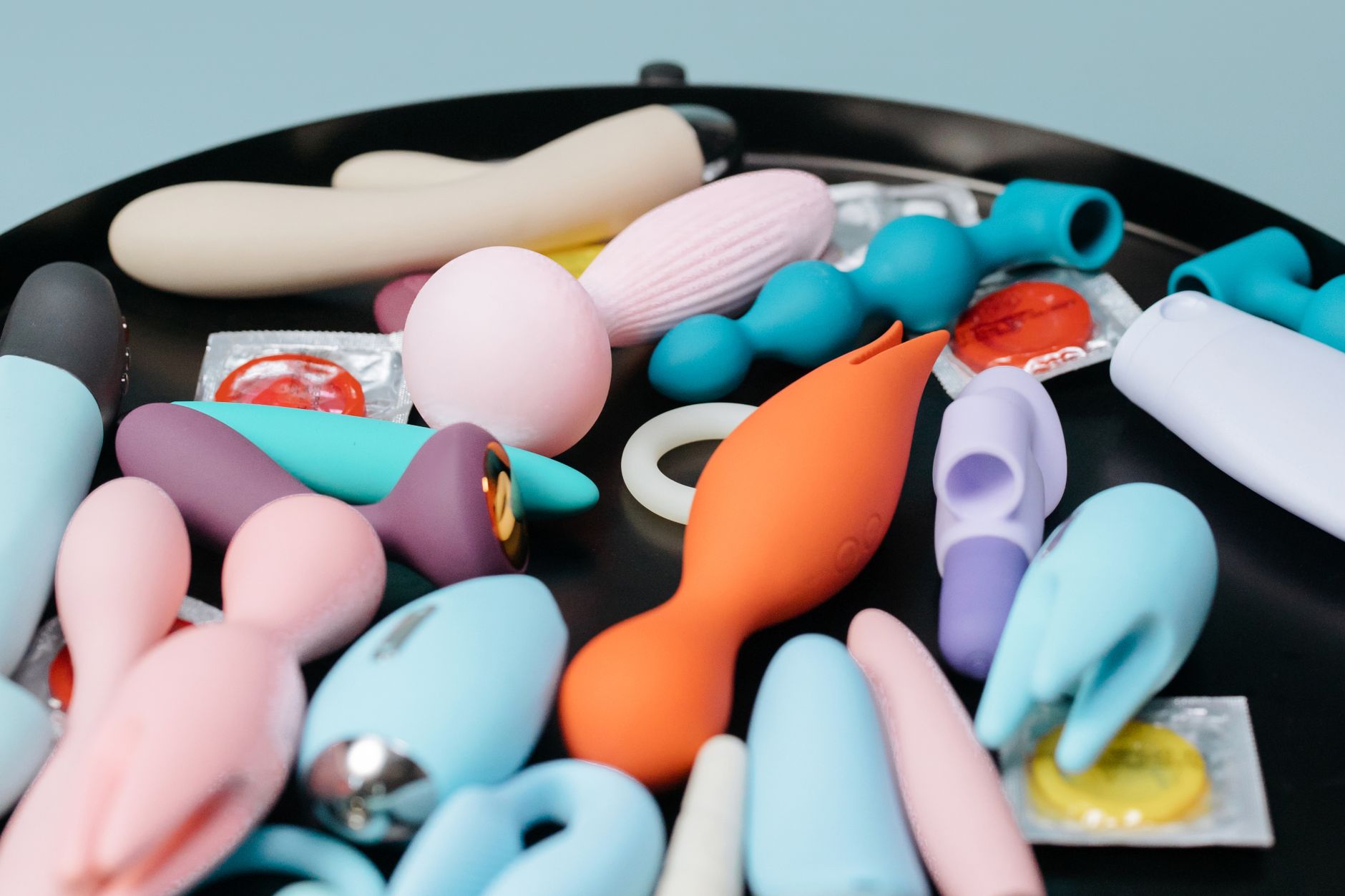
Let's talk about what your skin is actually telling you
If you've had a bad experience with a vibrator, your skin probably wasn't the problem. The toy was. Most people with vulvas have some degree of sensitivity around the clitoris, and generic vibrators made from jelly rubber or low-grade silicone will irritate that tissue every single time. You're not broken. The vibrator just isn't made right.
Lemon vibrators, built from medical-grade silicone, are built differently. And that difference matters in ways that go way beyond comfort.
Why material quality actually changes everything
Here's the thing about clitoral skin: it's thinner and more absorbent than skin anywhere else on your body. That means it picks up whatever the toy is made of. Cheap silicone leaches chemicals. Jelly rubber (a common material in budget toys) is porous, which means it harbors bacteria even after washing. Latex can trigger allergic reactions in people with sensitivities.
Medical-grade silicone is non-porous, hypoallergenic, and chemically inert. It doesn't release anything into your tissue. Your skin can't absorb additives because there are none. This is why hospitals use silicone for internal medical devices. It's literally designed for sensitive mucous membranes.
Lemon clitoral vibrators use this same material. The Lem, for instance, is 100% silicone with no fillers or additives. That sounds like a technical spec, but for your body it means zero irritation, zero allergic reaction, and zero chemical sensitivity even with extended use.
The design detail that saves your sanity
Beyond material, lemon vibrators are engineered with sensitive tissue in mind. Most commercial vibrators have a seam or ridge where two pieces of silicone are fused together. That seam catches and catches and catches. It's like rubbing your clitoris with a tiny wire.
Lemon vibrators are molded as a single piece, with a smooth, seamless surface. No edges. No ridges. No internal seams that create friction. It sounds minor. It changes everything.
The surface finish also matters. Some vibrators have a matte texture that feels slightly sticky on delicate tissue. Others have a gloss finish that can feel slippery and less controlled. Lemon vibrators land in the middle. The silicone has a subtle texture that your skin recognizes as skin-adjacent, not foreign or abrasive.
Why vibration pattern matters for sensitive bodies
Not all vibrations are created equal. A cheap vibrator often has a single intense buzz that goes straight into the tissue like a jackhammer. That's stimulating for about 30 seconds before it starts to sting.
Lemon clitoral vibrators use patterns specifically designed for sensitivity. Lower base frequency, multiple rhythmic pulses, and a ramp-up feature that lets you start gentle and build intensity. The Lem, for example, has nine patterns that move from subtle tapping to deeper waves. You're never forced into full intensity. You're invited into it.
This matters because sensitive tissue responds better to rhythm than raw power. Your nervous system is designed to recognize a pattern and build anticipation around it. A jackhammer doesn't build anticipation. A rhythm does.
How to use a lemon vibrator safely with sensitive skin
Even the gentlest toy needs a boundary.
Start with a water-based lubricant, even if you produce plenty of natural lubrication. It creates a buffer between the silicone and your tissue, which sounds like it would reduce sensation but actually amplifies it. The friction becomes glide instead of grip. Your clitoris gets consistent pressure without any abrading. Use a quality water-based lube (not the cheap stuff, which dries fast and gets sticky). Sliquid or Yes are both excellent choices.
Begin on the lowest setting, even if it feels too gentle. Spend a few minutes there. Your body will warm up to the toy and start to engage. Then move to pattern two or three and stay for another five minutes. The goal isn't to rush to the highest intensity. It's to let your nervous system recognize the sensation as safe and pleasurable.
Limit initial sessions to 15-20 minutes. Sensitive tissue can get overstimulated even with the gentlest toy, and overstimulation feels like numbness or irritation afterward. Shorter sessions let you build tolerance gradually.
What to avoid if you have true sensitivity
If your sensitivity is more intense (like if you have a history of yeast infections, lichen sclerosus, or other vulvar conditions), a few extra precautions help.
Never use silicone-based lubricants with silicone toys, even though it feels like a perfect match. Silicone lube can degrade the toy over time and also creates a seal that traps heat and moisture, which can trigger irritation. Stick to water-based only.
Clean the toy thoroughly after every use. Even medical-grade silicone collects bacteria if left wet. Wash it with warm water and unscented soap, or use a toy cleaner. Let it air dry completely before storing it.
If irritation appears during use (stinging, rawness, or discomfort), stop immediately and rinse thoroughly with cool water. Don't push through it. Your body is giving you useful information. Most irritation from lemon vibrators is actually from going too hard too fast, not from the material itself.
The real reason lemon vibrators are better for sensitive people
It's not magic. It's engineering. Lemon vibrators, including options like the Lem vibrator and other Hello Nancy clitoral vibrators, are designed with the understanding that pleasure and sensitivity aren't opposites. They're the same nervous system responding to different inputs. A lemon clitoral vibrator respects that. The material won't irritate, the design won't catch or scrape, and the vibration pattern won't numb you out.
If you've tried other vibrators and had a bad experience, your sensitivity isn't the issue. The toy design was. A medical-grade lemon vibrator built for sensitive tissue will feel completely different. It's the difference between a safety razor and a dull blade. Same intention, completely different outcome.
People also ask
Are lemon vibrators safe for people with latex allergies?
Yes. Lemon vibrators are made from medical-grade silicone with zero latex content. If you have a latex allergy, silicone toys like the Lem vibrator are actually the safest choice because there's no cross-contamination risk. Always check the product description to confirm it's 100% silicone with no latex fillers.
Can I use any lubricant with a lemon clitoral vibrator?
Water-based lubricants only. Silicone-based lubes can degrade silicone toys, and oil-based lubes trap moisture and create conditions for bacterial growth. Water-based lube is cheap, accessible, and works beautifully with silicone vibrators. If you have sensitivity to glycerin, look for glycerin-free water-based lubes like Sliquid Naturals.
How often can I use a lemon vibrator if I have sensitive skin?
Daily use is fine if you're not experiencing irritation. Your body adapts. Start conservatively (2-3 times per week for 15-20 minutes) and see how your skin responds. If you're waking up with no irritation or discomfort, you can gradually increase frequency. Listen to your body's signals, not a schedule.
What's the difference between a lemon vibrator and other clitoral vibrators for sensitive skin?
Material quality and design precision. Most mainstream vibrators use cheaper silicone or jelly rubber to keep costs down. Lemon vibrators use medical-grade silicone, seamless molding, and carefully engineered vibration patterns designed for sensitive tissue. You're paying for engineering, not marketing.
Should I see a doctor if I get irritation from a lemon vibrator?
If irritation appears after one use and lasts more than a few hours, yes, check with a gynecologist. But mild temporary redness usually clears within 30 minutes and is just your tissue responding to new stimulation. If it becomes chronic or painful, that's worth discussing with a doctor, because it might point to an underlying condition like lichen sclerosus or vulvodynia.
Can I use a lemon vibrator if I have a yeast infection or other vulvar condition?
Not during an active infection or flare. Wait until it's fully cleared. Once you're symptom-free, medical-grade silicone toys are actually safer than other materials because they can't harbor bacteria or cause further irritation. Always clean thoroughly before use.
The bottom line
Sensitivity isn't a reason to skip vibrators. It's a reason to choose one thoughtfully. Lemon vibrators are engineered for sensitive skin because the people who designed them understood that pleasure and caution aren't mutually exclusive. Material matters. Design matters. And your skin deserves a toy that respects it. Start low, go slow, use lube, and pay attention to what feels good. Your body knows the difference between a toy that's made right and one that's just made cheap.
If you want to explore what a truly gentle lemon clitoral vibrator feels like, or need guidance on which Hello Nancy vibrator fits your specific sensitivity profile, reach out to our team at contact. We're here to help you find what works.