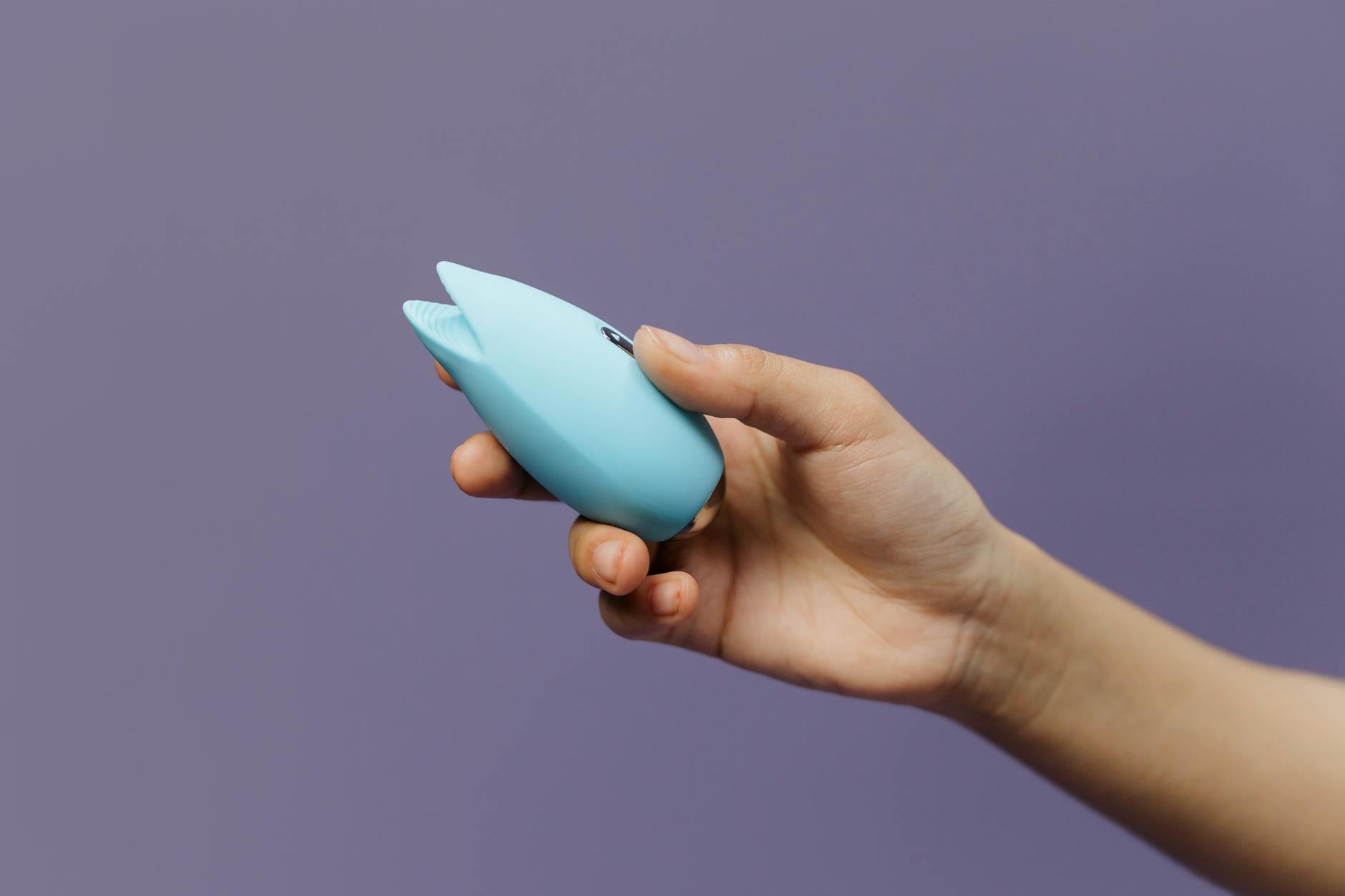
Here's why friction isn't always your friend
Let me start with something most toy reviews won't tell you: more intense is not better. Especially if your clitoris is sensitive, hyperresponsive, or easily overwhelmed. A traditional buzzing vibrator works by creating rapid friction against tissue. That friction creates sensation. But it also creates pressure, and for a lot of people, that pressure hits a ceiling fast. You either go numb or you go into sensory overload. Neither feels good.
Lemon vibrators, which use air-suction technology instead of direct vibration, work differently. They create a gentle suction pulse that engages nerve endings without the repetitive friction. Think of it less like someone rubbing your skin and more like someone creating a light pulling sensation. Totally different neurological path.
The clitoris is more sensitive than you think
Here's the thing that changes everything: your clitoris has over 8,000 nerve endings in an area the size of a pea. That's roughly the same density as your fingertips. So when someone tells you "just use a stronger vibrator," they're missing the point. Your clitoris isn't weak. It's hypersensitive by design. What it needs isn't more power. It needs the right kind of stimulation.
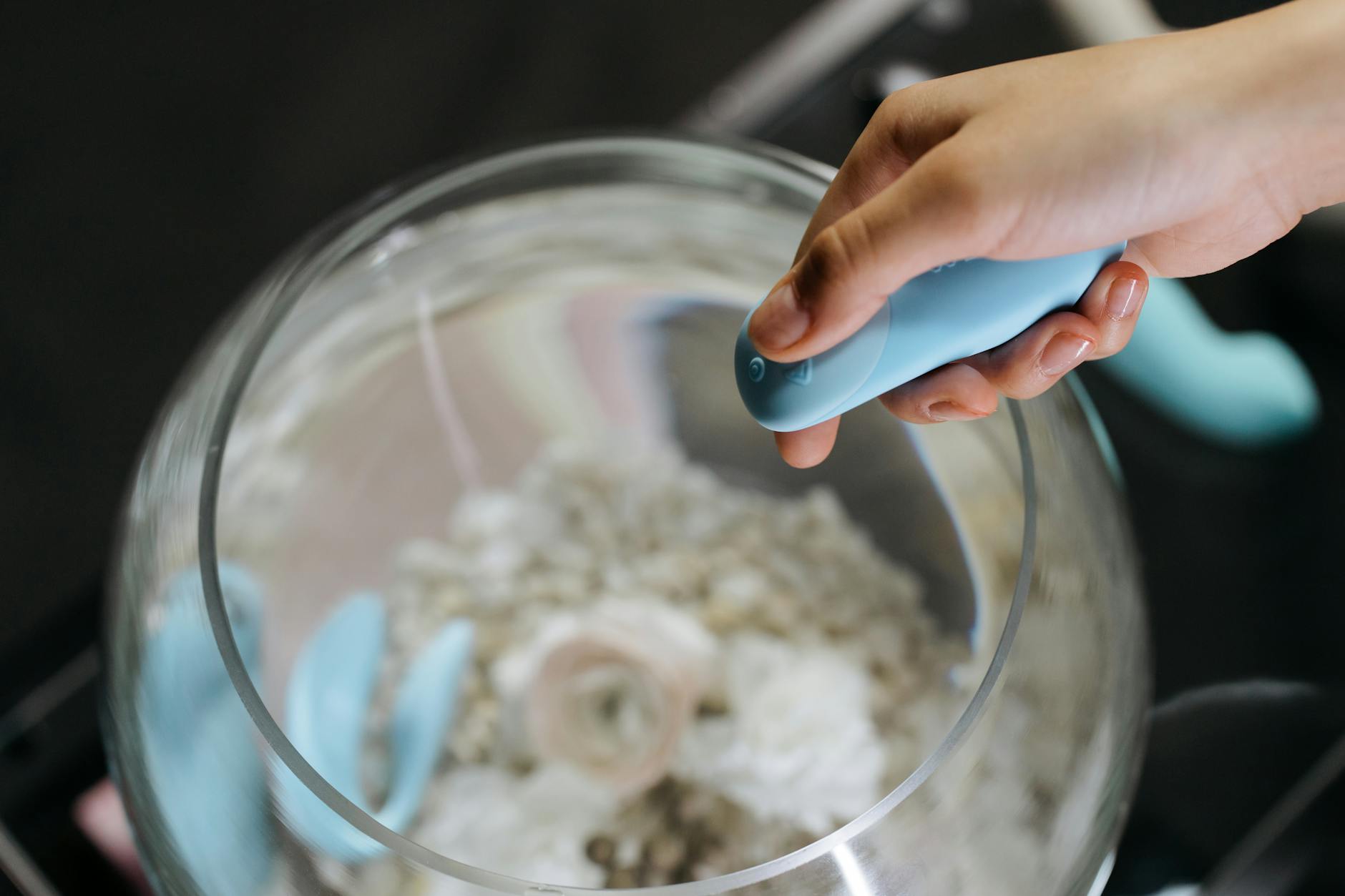
Photo by cottonbro studio on Pexels
When you use a traditional vibrator on sensitive tissue, you're essentially asking your nerve endings to fire rapidly. After about 30 seconds to 2 minutes, those nerves become desensitized. Your brain literally stops receiving the signal. So you turn up the intensity, and you get maybe another minute of sensation before numbing happens again. It's exhausting, frustrating, and it often leaves you without an orgasm.
Lemon vibrators sidestep this entirely. The suction creates a rhythmic pulse that engages your nerves in a sustained way without the friction-induced numbing. People often describe it as feeling almost alive, whereas traditional vibrators can feel like electrical static that fades to background noise.
Why air-suction beats vibration for sensitive tissue
The mechanism matters here. A lemon vibrator uses rhythmic suction pulses to create a wave-like stimulation. Instead of vibrating at 10,000 pulses per minute (which is what most standard vibrators do), an air-suction toy creates longer, fuller pulses that feel more like oral sex than buzzing. That's not metaphor. It's literally mimicking the suction patterns that happen naturally during oral stimulation.
Your clitoral glans, the external part you can see, has a specific type of nerve fiber called Meissner's corpuscles. These receptors don't just respond to vibration. They respond to pressure changes, light touch, and rhythmic patterns. Traditional vibrators mostly activate only the high-frequency vibration receptors. Lemon vibrators activate a much wider range of sensory input.
The result: you feel more, but you feel less overwhelmed. Which sounds like a contradiction until you actually experience it.
Overstimulation is real, and it's not a weakness
If you've ever felt like your clitoris gets "too sensitive" halfway through, that's not a personal failing. That's a mechanical problem. Direct contact with a vibrating toy creates a numbing effect. Your nerves are firing so fast and so intensely that the signal essentially collapses. It's like staring at a bright light until you can't see anything anymore.
For people with sensitive clitoral tissue, this often means sex becomes shorter and more frustrating, not longer and more satisfying. Orgasms might arrive quickly but feel shallow. Or they don't arrive at all, because by the time you're close, you've already hit the desensitization ceiling.
Here's what changes with lemon vibrators: that ceiling goes up. Most people can sustain sensation for 10, 15, sometimes 20 minutes without hitting numbing. The suction creates a more complex neurological pattern that keeps your nerves engaged instead of shutting down. You're working with your body's sensitivity, not fighting against it.
How to start if you've had bad experiences with vibrators
If you've used traditional vibrators and walked away feeling frustrated, here's what matters: start with the lowest setting. I mean that literally. The first pattern on a lemon vibrator is softer than you might expect, and that's intentional. Your sensitive tissue doesn't need to be convinced. It needs to be invited.
Budget 15 to 20 minutes. Overstimulation happens fast when you're trying too hard to force an orgasm. When you give yourself permission to just feel for a while, your body often responds better. The suction pulls you in instead of pushing you away.
Use it through underwear at first if full direct contact feels too much. Lemon vibrators work through light fabric. That extra layer of texture can actually make the sensation more nuanced.
The difference in sensation between air-suction and traditional toys
Let me be specific about what makes this feel better. A standard vibrator creates a one-note buzz. It's on or off, and the intensity is how many times per second it's buzzing. That's it. A lemon vibrator creates a pulsing rhythm that feels more like someone's mouth than a machine. Each pulse has a beginning, a middle, and a gentle end. That rhythm is what keeps your nervous system engaged instead of overloaded.
People often report that orgasms with air-suction toys feel deeper and more full-body. That's because you're not relying on maximum speed to create sensation. You're using the suction to draw pleasure in, rather than vibrating pleasure onto yourself. The difference is profound.
Additionally, because there's no friction, there's no heat buildup. Traditional vibrators can get uncomfortable after 10 or 15 minutes if you're sensitive. Your tissue warms up, friction increases, and suddenly you're dealing with irritation on top of numbing. A lemon vibrator stays cool and stays comfortable.
When sensitivity changes over time
Here's something I see a lot: people think their sensitivity is fixed. It's not. If you've been using traditional vibrators for years, your clitoral tissue has adapted to that stimulation pattern. When you switch to something gentler, like a lemon vibrator, the first few times might feel less intense. That's not because the toy is weaker. It's because your nerves are recalibrating.
Give it three to five uses. After about a week of using a lemon vibrator, most people notice their sensitivity shifting. Sensations become more vivid again. Orgasms start arriving more easily. You're not numb anymore because you're not fighting overstimulation.
The partner angle
If you're using a lemon vibrator with a partner, it changes the dynamics too. Because the toy doesn't need to be intense to be effective, you can use it for longer during partnered sex without hitting that desensitization wall. That means more time to build arousal, more time to connect, more time to actually have an orgasm together. The pleasure stays present instead of fading halfway through.
Many couples find that switching to a gentler, air-suction toy actually deepens intimacy because the experience lasts longer and feels less mechanical. You're not chasing sensation. You're actually there with each other.
When to see someone if nothing's working
If you try a lemon vibrator and still feel numb or unresponsive, that's worth checking in with a pelvic health specialist about. Sometimes sensitivity issues are connected to pelvic floor tension, nerve irritation, or hormonal changes. Those are worth understanding. But in most cases, switching from traditional vibration to air-suction makes a genuine difference in how pleasure feels.
The engineering of the toy matters. Your sensitivity is not a problem to overcome. It's a reality to work with. And lemon vibrators are specifically designed for exactly that.
People also ask
Why does my clitoris go numb when I use a regular vibrator?
Your clitoris has 8,000 nerve endings in a very small area. When a traditional vibrator vibrates at high speed directly against that tissue, the nerves fire rapidly and then become desensitized, meaning they stop sending signals. It's a protective mechanism. After 1 to 3 minutes, you feel less, not more. This is why increasing the vibration intensity often doesn't help. Lemon vibrators sidestep this by using rhythmic suction instead of rapid friction, which engages nerves in a sustained way without triggering the same numbing response.
How is a lemon vibrator different from a regular vibrator?
A traditional vibrator uses rapid vibration to create sensation. A lemon vibrator uses air-suction technology, which creates gentle pulling pulses that mimic oral sex. Instead of buzzing at 10,000 pulses per minute, an air-suction toy creates longer, fuller rhythm patterns. This engages a wider range of nerve receptors and doesn't trigger the same numbing response that direct vibration does. Most people find that air-suction provides sustained sensation for much longer.
Can I use a lemon vibrator if I have very sensitive clitoral tissue?
Yes. In fact, lemon vibrators are often better for sensitive tissue than traditional vibrators. Because they use suction instead of friction, there's less pressure and heat buildup. You can start on the lowest setting and gradually explore higher patterns without the overstimulation that direct-contact toys often cause. The gentler mechanism means more comfort and, for most people, more reliable orgasms.
Do lemon vibrators work better for reaching orgasm?
For many people, yes. Because air-suction doesn't trigger the same numbing response as rapid vibration, you can sustain sensation longer. That means more time to build arousal and reach orgasm without hitting that frustrating plateau where sensation suddenly drops. People with sensitive clitorises in particular often find that lemon vibrators deliver more consistent and satisfying orgasms. But everyone's different, so your experience may vary.
Is it normal for my clitoris to feel less sensation over time with a vibrator?
Yes, and it's not a personal problem. It's called habituation or desensitization. Your nerve endings adapt to repeated high-frequency stimulus by stopping their response. This is why vibrators can feel amazing at first and then gradually less effective. Switching to an air-suction toy, taking breaks, or varying stimulation patterns can reset this response. It's also why using the lowest effective setting usually works better than maxing out the intensity.
Why do lemon vibrators feel more like oral sex than regular vibrators?
Because they're mechanically closer to it. Oral sex involves rhythmic suction and gentle pressure changes, not constant high-speed vibration. Lemon vibrators mimic that pattern with their pulsing suction rhythm. This activates the same sensory receptors (particularly Meissner's corpuscles) that respond to pressure changes and rhythmic patterns, not just high-frequency vibration. That's why the sensation often feels more natural and more integrated with the rest of your body's response.
The takeaway
Your clitoral sensitivity isn't something to overcome. It's something to honor with the right tool. Lemon vibrators, with their air-suction technology, work with sensitive tissue instead of against it. You feel more. You feel for longer. And most importantly, pleasure actually stays present instead of fading into numbness. That's not a small difference. That's a complete shift in how sex feels.