The thing nobody tells you about depression lifting
The numbness doesn't disappear all at once. Your mood improves, your energy returns, you stop canceling plans. Then someone touches you, or you touch yourself, and there's... nothing. No spark, no ache, no recognition. Your body feels borrowed.
This is not uncommon. Depression is a full-body experience. It hijacks your nervous system, flattens your neurotransmitters, and essentially puts pleasure on pause. When depression eases, the wiring that connects desire to physical sensation doesn't automatically snap back online. It needs coaxing. It needs patience. It needs you to show up without expecting instant results.
If you're here because that silence is starting to crack a little, this is good news. Your body hasn't forgotten pleasure. It's just rusty. And Lemon Toys' lemon vibrators, especially clitoral vibrators like the Lem, are one of the gentlest ways to remind it what sensation actually feels like.
Why depression kills desire in the first place
Depression doesn't just lower your mood. It lowers dopamine, the neurotransmitter that creates reward-seeking behavior. Desire is fundamentally a drive. When dopamine tanks, that drive disappears. You might logically know that sex is something you enjoy, but that knowledge lives in your head. Your body doesn't feel it.
At the same time, depression increases cortisol, your stress hormone. A body in stress mode is not a body interested in pleasure. Your nervous system is in protection mode, not exploration mode. Touch that normally feels good can feel irritating, or deadening, or nothing at all.
Add in the weight of guilt. Depression lies. It tells you that wanting pleasure is selfish, that your body is disgusting, that you don't deserve to feel good. By the time your mood lifts, you're not just dealing with a neurochemical void. You're dealing with months of internalized shame.
Breaking that pattern takes more than a toy. It takes permission.
The first step: give yourself permission without negotiation
I want to say this plainly. Your desire will come back. Not because of willpower or determination, but because neurochemistry is changeable, and pleasure is your body's natural state. The fact that it feels distant right now is information about where you are, not who you are.
Before you touch yourself or introduce any tool, sit with this: pleasure after depression is not a performance. It's not something you're doing to prove you're fixed. You're not trying to reach an orgasm or achieve some version of sexuality you had before. You're listening to your body's current language, which might be very quiet, and creating space for it to get louder.
If you have a partner, this is essential to tell them. Not to burden them, but to protect yourself. Say: "I'm reconnecting with myself. This might take time. I don't need you to fix it or prove anything. I just need space." That conversation, done right, often becomes the emotional intimacy that actually starts warming things up.
Why clitoral vibrators work when everything else feels numb
When your nervous system is still partially in protection mode, direct stimulation can feel jarring. Traditional vibrators buzz in a constant, one-note rhythm that demands constant attention. If you're already struggling to feel anything, that relentless buzzing can feel like work rather than pleasure.
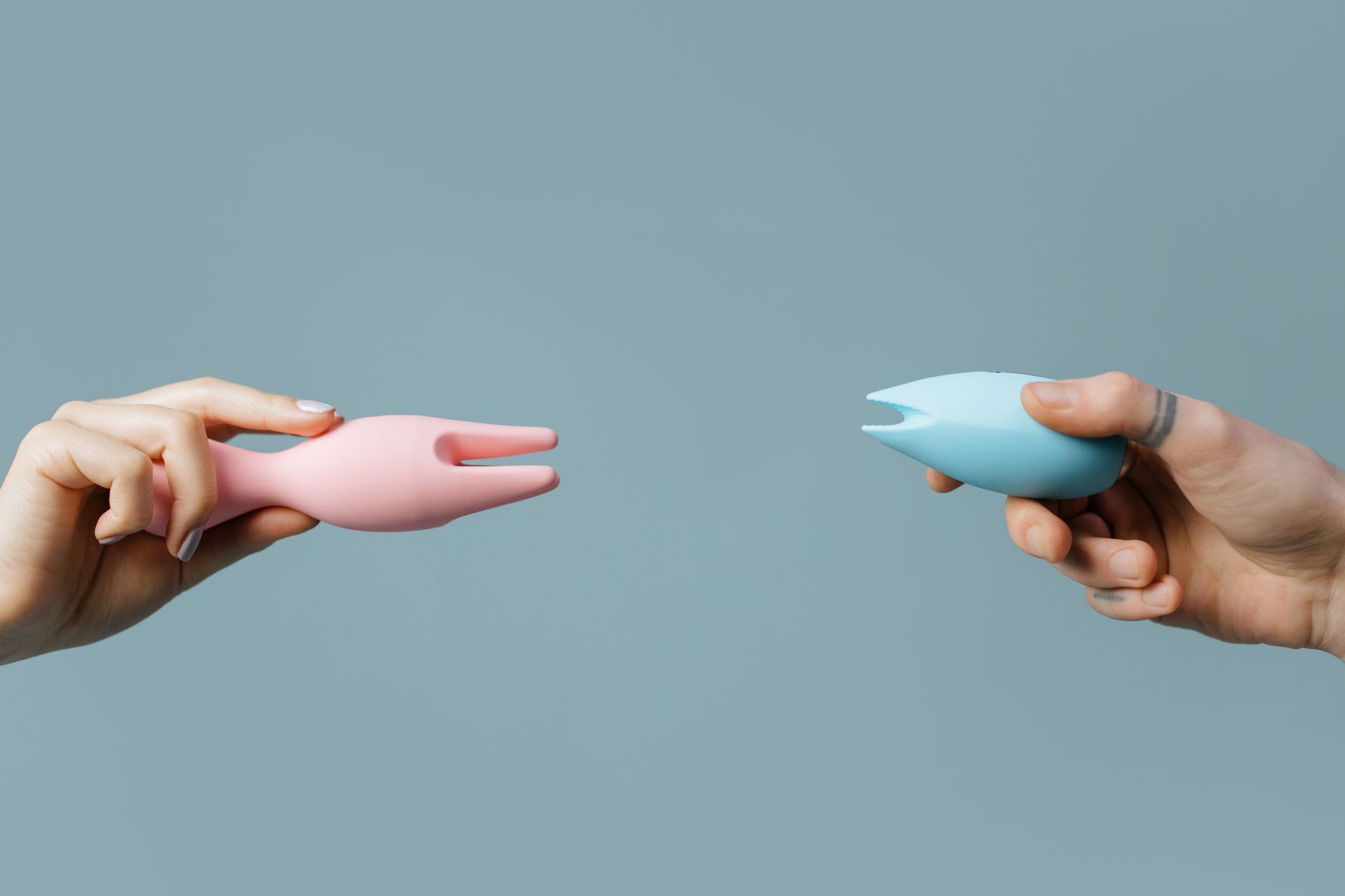
Lemon vibrators, particularly suction-based clitoral vibrators, work differently. They use gentle rhythmic suction that mimics how sensation naturally builds. There's no constant pressure, which means your nervous system is less likely to perceive it as threatening. Instead of demanding that your body feel something, suction creates a kind of conversation with your tissues. Come closer, it says. Then releases. Then invites again.
For someone coming out of the flatness of depression, this call-and-response rhythm often feels more like invitation than demand. And invitation is what a recovering nervous system actually needs.
What to expect the first few times
Honestly? You might not feel much. You might feel some curiosity. You might get distracted. You might feel grief because it's not what it used to be. All of this is normal and absolutely expected.
The goal of your first few sessions with a lemon clitoral vibrator is not an orgasm. The goal is sensation awareness. Just noticing: does this feel like anything? Do certain patterns feel different than others? Can I notice when my body tightens or relaxes?
Start with low settings. The Lem and other lemon vibrators have multiple intensity levels. Resist the urge to jump to high. Low intensity is actually more helpful right now because it gives your nervous system permission to stay engaged without overwhelming it. Spend 10 minutes. If nothing happens, that's fine. You're building a new neural pathway. It takes repetition.
Practice on a schedule, which sounds unsexy, but here's why it matters: your brain needs consistency to rebuild associations between your body and pleasure. Depression has convinced your brain that your body is neutral, uninteresting, off-limits. Showing up regularly, without pressure, gradually rewrites that narrative.
Managing the guilt that often lives alongside the numbness
Depression frequently arrives with a sidekick: shame. Shame about your body, shame about wanting pleasure, shame that you were depressed in the first place. That shame doesn't disappear the moment your mood lifts. It often gets worse, actually, because now you have the mental clarity to judge yourself for it.
When you're using lemon vibrators to rebuild arousal, that guilt might surface. You might feel it as resistance to touching yourself, or as a voice saying you shouldn't be enjoying this, or as physical tightness in your pelvic floor. If you notice that, pause. Take a breath. Notice where the shame is pointing. Is it pointing at your body, or at depression?
Your body is not the enemy. Depression is. Your body was hijacked. Using a clitoral vibrator to reclaim sensation is not indulgence. It's reclamation.
Building toward partner intimacy (when you're ready)
If you have a partner, don't jump straight to shared sexual activity. That puts performance pressure on you at exactly the moment when performance pressure is the last thing you need. Instead, do the work alone first. Let your body remember what pleasure feels like. Let your nervous system rebuild trust in sensation.
When you're ready to include a partner, introduce them to your tools. Let them see what works. You might use a lemon clitoral vibrator during partnered time, which actually takes pressure off them to manually stimulate you in ways that might not be working anyway. The vibrator becomes a team player, not a replacement. This often softens the conversation around desire returning and makes room for genuine reconnection.

Photo by cottonbro studio on Pexels
For those rebuilding arousal after depression, how to use lemon vibrators when you're single and exploring solo pleasure can provide additional perspective on creating a solo practice without performance anxiety.
What happens if you still feel nothing after a few weeks
This is important: numbness that persists after depression has lifted sometimes signals that depression is still present, or that another factor is at play. Medication side effects, residual neurochemical imbalance, trauma, or a thyroid condition can all flatten desire independently.
If you're 3-4 weeks into consistent, low-pressure exploration with lemon vibrators and there's genuinely zero sensation, that's information. That's not a failure. That's a sign that you might need to talk to your doctor or therapist. Depression can be tricky. It doesn't always announce its departure.
Alternatively, you might discover that sensation returns, but differently. Your arousal might take longer to build. Your orgasms might feel less intense, or take a different shape. That's not wrong. That's just what your nervous system needs right now. And that's completely workable.
Rebuilding pleasure as self-care, not performance
Here's what I want you to know, as a therapist who's worked with dozens of people emerging from depression: your desire will return. Not in a straight line, and not on a schedule you can predict. But the nervous system is plastic. It rewires. Bodies remember how to feel good.
Using a lemon clitoral vibrator during this recovery isn't about forcing yourself back to normal. It's about meeting yourself where you actually are and gently, consistently showing your nervous system that sensation is safe again. That pleasure is possible. That your body is worth listening to.
Start small. Use low settings. Show up regularly. Don't expect the sky. And be patient with yourself in a way that depression never lets you be. You're not broken. You're healing. That's a completely different thing.
People also ask
How long does it typically take for desire to return after depression?
There's no universal timeline. For some people, desire returns relatively quickly once mood improves. For others, it takes weeks or months of consistent rebuilding. The key variable is how long the depression lasted, what your baseline was before depression, and whether depression's neurochemistry has fully rebalanced. Using tools like lemon vibrators regularly can accelerate the process, but the honest answer is that your body will move at its own pace. What matters is showing up without judgment.
Can antidepressants interfere with using clitoral vibrators?
Some antidepressants can reduce sensation or make orgasm more difficult, which might mean that lemon vibrators take longer to work, but they don't make them ineffective. If you suspect your medication is dampening sensation significantly, talk to your prescriber. Sometimes switching medications helps. Sometimes adjusting the timing of your dose helps. Sometimes it's just a matter of giving your nervous system more time and more consistent stimulation to bypass the numbness.
Is it normal to feel emotional while using a vibrator during recovery from depression?
Completely normal. Your clitoris is connected to your entire nervous system, and your nervous system carries the weight of depression. Sometimes stimulation opens emotional floodgates. You might cry. You might feel anger. You might feel grief. All of that is actually healthy. It's your nervous system processing. Don't interrupt it. Let it move through you. That's healing.
What if my partner wants to reconnect sexually before I'm ready?
This is a conversation, not a problem to manage alone. Tell your partner clearly: "My nervous system is still rebuilding. I need time and consistency before partnered sex feels right." A good partner will hear that and make space. If your partner pressures you or makes you feel guilty for needing time, that's actually important information about your relationship, separate from depression. Consider talking to a therapist together. You deserve a partner who can hold space for your healing.
Should I focus on orgasm as the goal when I'm rebuilding desire?
No. That's actually the opposite of helpful. The goal is sensation. The goal is noticing. The goal is showing your nervous system that stimulation is safe. Orgasm might come back quickly. It might take longer. It might feel different. If you're chasing it, you're putting yourself back in performance mode, which is exactly what stunted desire in the first place. Focus on the experience, not the outcome.
Can lemon clitoral vibrators help if I'm still taking antidepressants?
Yes. In fact, many people find that combining medication with consistent, pleasurable stimulation actually speeds up the rebalancing of dopamine. Your brain is rewiring itself through the medication, and your body is simultaneously learning that pleasure is still possible. They work together. The vibrator isn't replacing the medication. It's providing information to your nervous system that pleasure exists, which actually supports the medication's neurochemical work.
What comes next
If you're rebuilding arousal after depression, you're already doing the hardest thing: showing up for yourself. The fact that you're here reading this, thinking about reconnection, means your body is ready to whisper something to you. Listen to it. Give it time. Use tools that feel gentle and inviting, like lemon vibrators. And be patient with the process in a way you probably haven't learned to be yet.
Your desire will return. Your body will remember. It just needs permission and consistency. Both of those things are in your control. Start there.