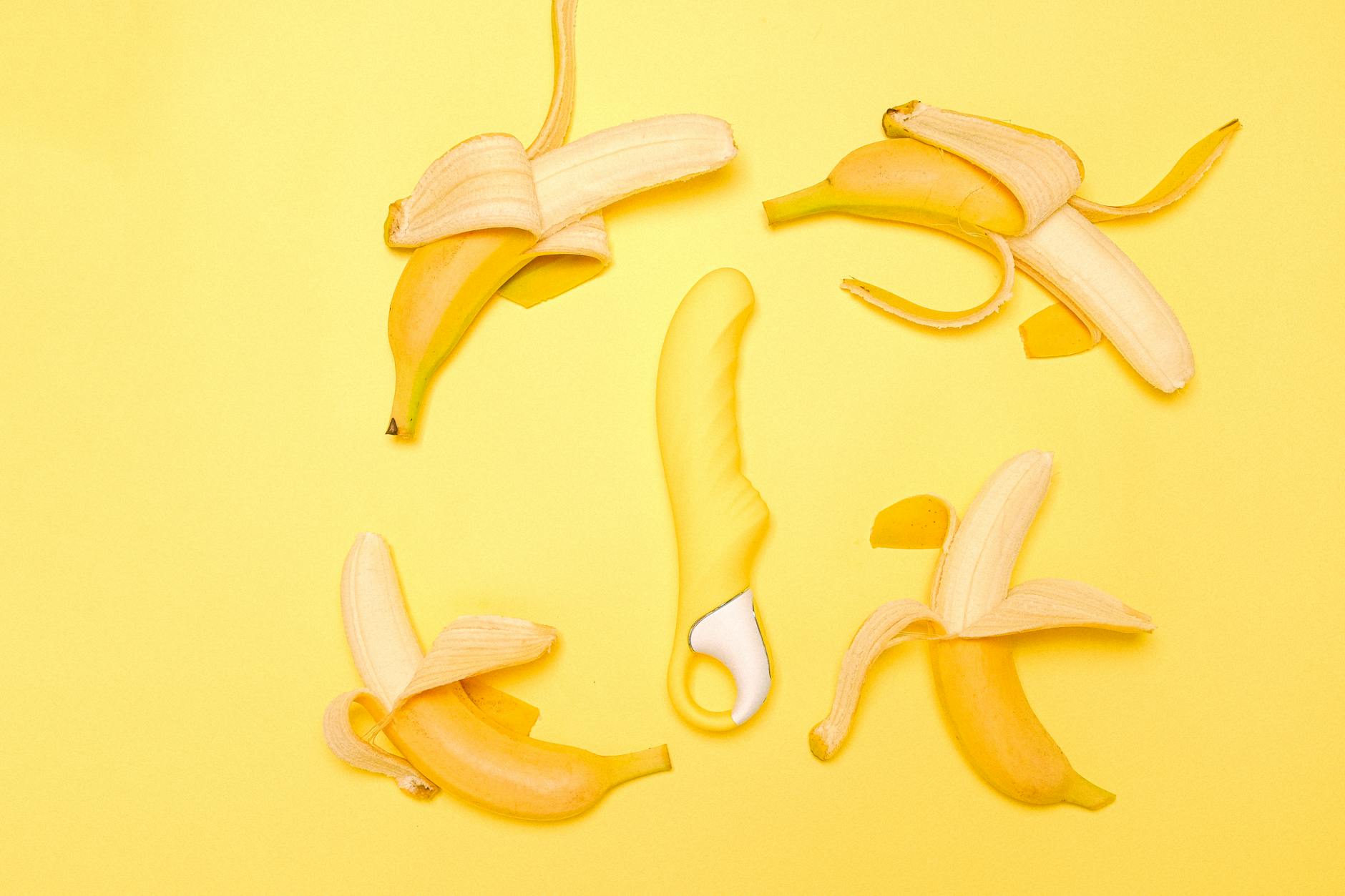
Let's talk about what happened
If you're here, something changed your relationship with pleasure. Maybe it was a physical injury, maybe it was trauma, maybe it was both. Your clitoris went from being a reliable source of sensation to feeling raw, numb, painful, or all of the above. That shift is real, and it's worth taking seriously.
The good news: sensitivity can return. The better news: you don't have to white-knuckle your way back to pleasure. The right tool, combined with patience, can actually make the process feel less like recovery and more like gentle exploration.
Why lemon clitoral vibrators are different for sensitive tissue
Most vibrators use traditional oscillation. They buzz back and forth, fast and direct. That works great for a lot of people, but if your clitoris is sensitive, direct vibration can feel too intense, too sharp, or even painful.
Lemon vibrators use suction and gentle pulsing patterns instead. The suction creates a softer, broader sensation that engages the whole clitoral complex, not just the tip. Think of it this way. A traditional vibrator is like tapping a drum. A lemon clitoral vibrator is like cupping your hand around the drum and letting the vibration travel through your palm. It's gentler, wider, and more diffuse.
For someone with a sensitive clitoris after injury or trauma, that difference matters enormously. Suction distributes pressure across a larger area, so no single nerve cluster gets overwhelmed. You also get more control over intensity because suction patterns tend to have lower, more rhythmic starting points than standard vibrators.
Start lower than you think you need to
Here's where most people mess up their own recovery. They think, "I used to like intensity, so I should be fine with intensity now." Then they turn the device up to level 4 or 5 and wonder why it hurts.
Your clitoris doesn't have the same threshold it used to. That's not weakness. That's adaptation. The tissue has been through something, and it's being protective. Respect that.
Start at pattern 1 or 2 on the Hello Nancy Lemon vibrator. Honestly, I recommend pattern 1. Spend entire sessions at this level. Not one minute and then moving up, but full 15 to 20 minute sessions at the absolute gentlest setting. Let your nervous system get used to receiving pleasure again without bracing for pain.
Many people find that after a week or two of this, they can graduate to pattern 2 without any discomfort. Some take longer. That timeline is fine. You're not racing.
Create a buffer between you and the device
Direct contact is optional. You don't have to feel the suction cup against your clitoris immediately. Some people find that putting a soft cloth, thin underwear, or even a thin silicone barrier between the device and their skin changes everything. It softens the sensation without losing the benefit of the suction.
This isn't cheating. This is smart adaptation. If you can tolerate pleasure with a small barrier, that gives you something to work with. Over time, as your nervous system recalibrates, you can remove the barrier and feel more directly. But in the early weeks, dampening the sensation a bit keeps you in the window where pleasure is pleasurable, not triggering.
Pair it with nervous system regulation
If your sensitivity comes from trauma, your nervous system might be stuck in a protective state. That means your body is literally braced against receiving pleasure, even if you intellectually want it. No amount of the right toy fixes that if your vagus nerve thinks something dangerous is happening.
Before using a lemon sucker for pleasure, spend 10 minutes on something that genuinely calms your nervous system. For some people that's breathwork. For others it's a warm bath, stretching, or walking outside. For some it's sitting with a partner and talking. Do the thing that makes you feel grounded and safe in your body.
Then, after you've used the device for a few minutes and it's starting to feel good, don't force yourself to reach orgasm. Some days the goal is just, "I used this and didn't feel afraid." That's a win. That's healing.
Communication matters if you have a partner
If someone else is in the room, they need to know three things. One, what you're trying to do (rebuild your relationship with your own pleasure). Two, what you need from them (probably not much, but maybe just their presence, or maybe their absence). Three, what would actually hurt your healing (probably "giving advice" or "trying to help" by increasing intensity).
The how to introduce lemon vibrators to your partner without awkwardness conversation is worth having early. Make it clear this is about you reconnecting with yourself, not about what you need from them. That distinction takes pressure off both of you.
Track what works, not what doesn't
Keep a simple note on your phone. Date, pattern level, how long, whether you felt pleasure, whether you felt any discomfort, anything interesting about how your body responded. You're not trying to diagnose yourself. You're just building a map of what's happening.
After a few weeks, patterns emerge. Maybe you notice you feel great after using the lemon vibrator at pattern 1 for exactly 12 minutes, but anything longer gets numb. Maybe you find that doing it right after a bath feels safer than doing it in the morning. Maybe mornings work fine but evenings bring anxiety. These aren't failures. They're data. They tell you how to set yourself up for success next time.
When to check in with a professional
If you experience sharp pain, not just sensitivity, stop and see a pelvic floor physical therapist or a trauma-informed gynecologist. Pain is different from sensitivity. Pain says something is physically wrong and needs attention.
If your nervous system is stuck in a protective state and no amount of gentle exploration shifts that, a trauma-informed therapist who specializes in sexual healing can help. The how to use lemon vibrators when recovery affects your sensation and arousal post talks about this more, but honestly, having professional support through this process is worth it.
The timeline is longer than you want it to be
You probably want to be healed and back to normal by next month. I understand. But healing from clitoral sensitivity after injury or trauma is a 3 to 6 month process for most people, sometimes longer. Some days feel like progress and some days feel like steps back. That's completely normal.
The gift of using something like a lemon clitoral vibrator during this time is that you get to practice pleasure without pressure. You get to let your body remember what it feels like to be touched gently and have that feel good, not dangerous. That's the actual healing, more than the orgasm.
FAQ
Can I use a lemon vibrator if direct touch on my clitoris causes pain?
Yes, and actually the suction design of lemon vibrators makes them ideal for this. You can start with a cloth barrier, use the gentlest pattern, or even just hold the device nearby without full contact. The point is to let your clitoris remember sensation without pain. Start slow and let your body guide the pace.
How do I know if I'm healing or if this is as good as it gets?
Healing shows itself gradually. After a few weeks at pattern 1, you might notice you can tolerate pattern 2. You might notice the sensation shifts from uncomfortable to neutral to pleasant. You might also notice that you think about pleasure without immediately bracing your body. Small shifts matter. If you're seeing zero movement after 8 weeks of consistent, gentle practice, that's worth discussing with a professional.
Is it normal to feel numb even with the lemon vibrator?
Completely normal. Trauma and physical injury can create numbness as a protective response. Your nervous system is literally turned down to protect you. Numbness often improves with patience and gentle, consistent exposure. If numbness persists beyond a few months, pelvic floor physical therapy can help identify whether there's a physical component that needs attention.
Can my partner use the lemon vibrator on me, or should I do it alone?
Either is fine, but solo practice first is often smarter. When you're alone, you control the pace, intensity, and pressure entirely. You're not managing your partner's feelings or reactions. Once you know what feels good to your own body, adding a partner is easier. If you do want your partner involved early, give them very specific instructions: "stay at pattern 1," "pause if I say pause," "no pressure to reach orgasm."
What if I was traumatized by a partner and the thought of anyone touching me is overwhelming?
Keep it solo. Your clitoris doesn't care if you discover pleasure alone. What matters is that you get to experience your own pleasure on your own terms, with zero external pressure or expectation. A lemon vibrator is a great tool for that because it's entirely within your control. The rest can follow when and if you're ready.
How long before I can use a regular vibrator again if I want to?
There's no deadline. Some people find that lemon vibrators are their forever preference after sensitivity issues. Others use them during recovery and eventually explore other options. Your clitoris will tell you when it's ready for different sensations. Listen to it, not to what you think you're supposed to want.
You don't have to rush back
Healing from clitoral sensitivity after injury or trauma is one of the slowest, most deliberate things you can do with your body. That slowness is the point. You're not trying to get back to normal. You're building something new, something that honors what happened and what your body needs now. A lemon clitoral vibrator, used gently and consistently, can be exactly the tool that makes that process feel less like recovery and more like pleasure returning on your terms. That matters.